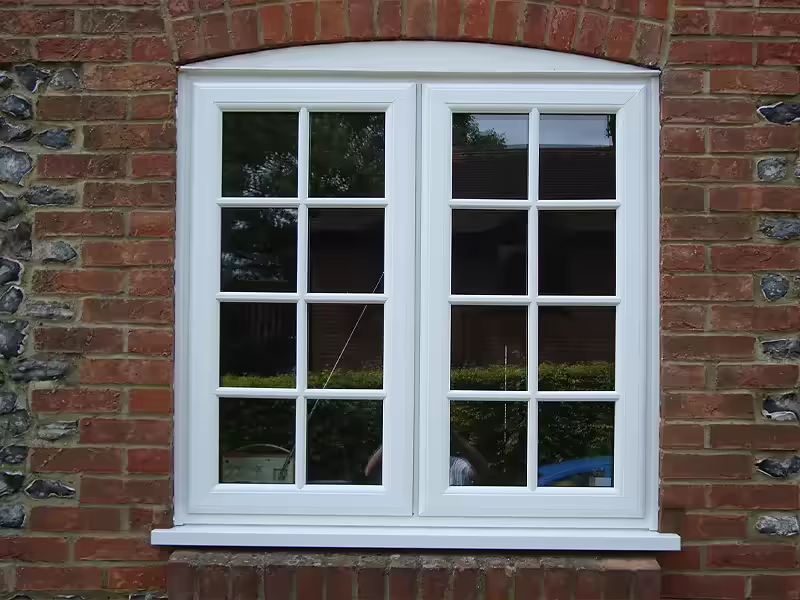
Casement and Flush Styles
Casement suits most homes for ventilation and simple operation. Flush designs offer a cleaner, heritage-led look with modern seals.
Learn more →
Homebrite Advice
A practical guide to choosing replacement windows with confidence: right style, right material, right glazing and the checks that protect performance, security and long-term value.
Start with how each room is used and how your home sits within its street scene. Casement windows are usually the most versatile day-to-day option. Flush, timber-look and vertical sliding designs can suit period-sensitive homes while still delivering modern comfort. Material choice then balances maintenance, appearance and structure: uPVC for practical upkeep, aluminium for slim sightlines, and timber or aluminium-clad timber for heritage-focused detail.
Casement suits most homes for ventilation and simple operation. Flush designs offer a cleaner, heritage-led look with modern seals.
Learn more →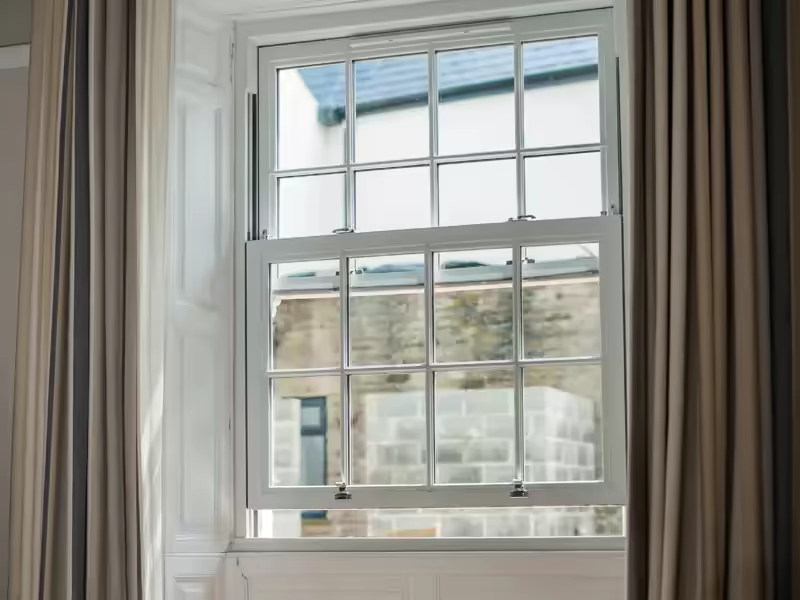
Vertical sliding windows suit period-style elevations and can be paired with modern energy and security upgrades.
Learn more →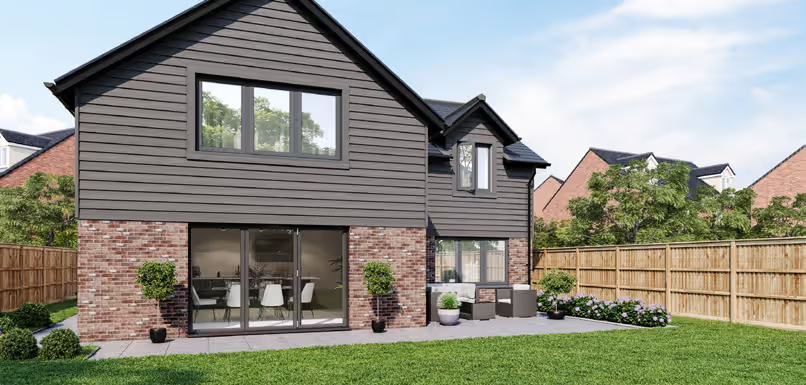
uPVC is low maintenance, aluminium enables slimmer frames, and timber offers classic character. Hybrid alu-clad options combine benefits.
Learn more →Glazing should be selected around outcomes, not buzzwords. Double glazing is often the right baseline, while triple glazing can be worthwhile in exposed locations or noise-sensitive rooms. If security, condensation control or outside noise are concerns, ask for a glazing specification that addresses those risks directly.
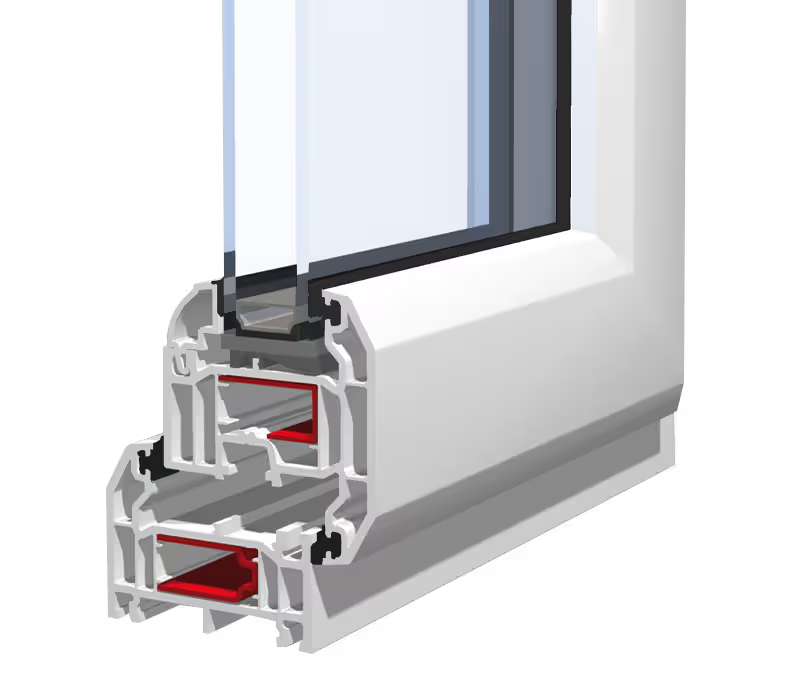
A strong all-round choice for most homes, balancing warmth, comfort and value when paired with quality seals and installation.
Compare options →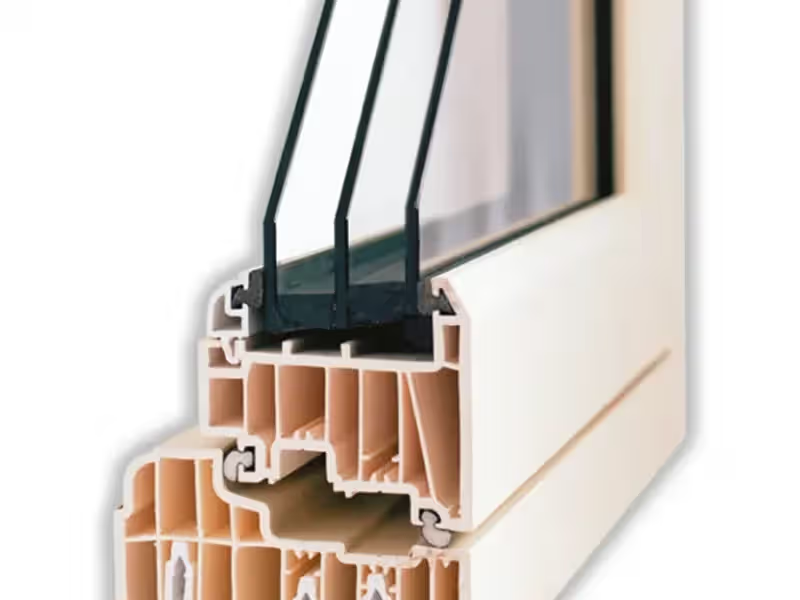
Useful where extra thermal performance or stronger noise control is needed, especially near busy roads or exposed elevations.
Compare options →
Ask about low-emissivity coatings, laminated security glass and acoustic glazing if heat loss, safety or noise are key priorities.
Compare options →Timings vary by product and project scope, but a clear sequence helps set expectations and avoid rushed decisions.
Define priorities room by room: style, opening method, materials, comfort targets and budget range.
Compare like-for-like specifications before price. Confirm glazing type, hardware and finish details.
Made-to-measure windows are manufactured to order. Timings vary with style complexity and finish selection.
Fitting is sequenced by elevation and room use. Installer should protect internal areas and confirm checks on completion.
Receive care guidance, warranty details and any certification documentation relevant to your installation.
It depends on your goals and location. Double glazing suits many homes. Triple glazing can add benefit where higher thermal or acoustic performance is needed.
Compare full specification detail first: frame system, glazing build-up, locking hardware, installation scope and warranty terms. This avoids false like-for-like comparisons.
Not always. Many replacements are permitted development, but conservation areas, listed buildings and Article 4 directions may change requirements.
Ask for clear hardware and locking specifications and discuss PAS 24-aligned options where appropriate for your property and risk profile.
Survey and specification can be quick, while manufacturing lead time varies by product. Installation itself is commonly phased over several days depending on scope.
If you are narrowing options now, these pages help you compare specification details before booking a survey.
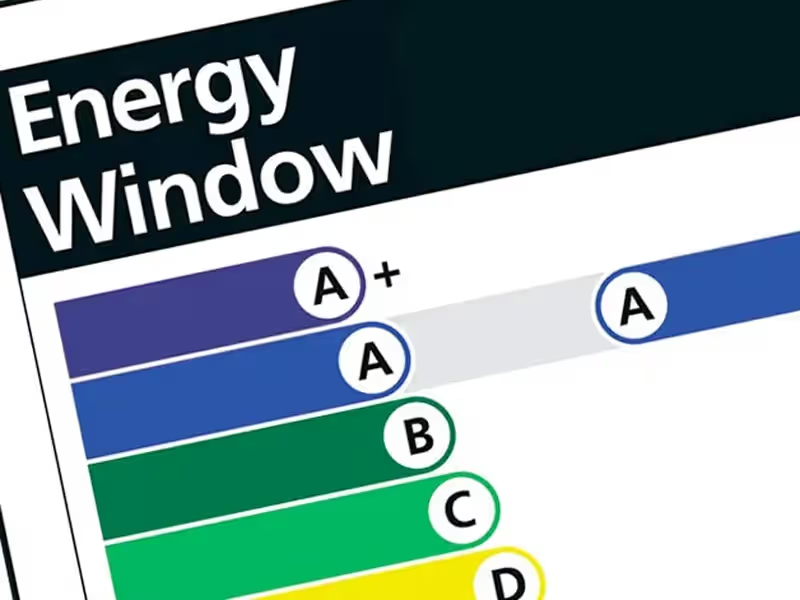
Understand what thermal metrics mean before finalising specification.
Open guide →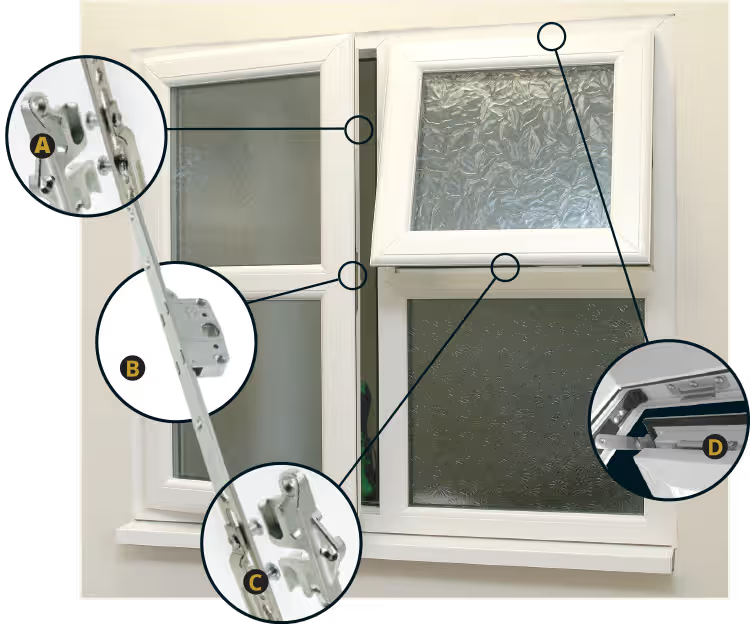
Review practical hardware and locking priorities for peace of mind.
Open guide →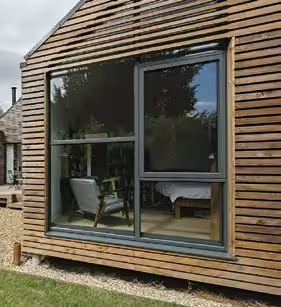
Check conservation and listed-building considerations before ordering.
Open guide →Get an instant Homebrite quote with tailored recommendations, transparent pricing and a clear installation timeline for your home.