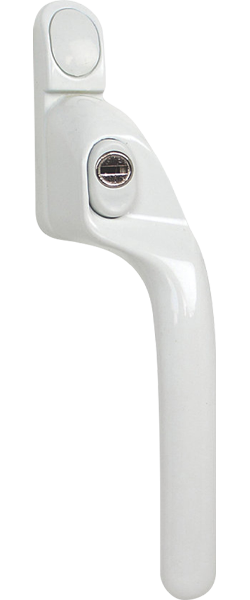
Classic and Contemporary Handle Styles
Choose from inline and cranked handle formats, or heritage-inspired monkey tail and tear drop options, matched to your chosen window profile and opening style.
Homebrite Window Furniture
Plan your ideal window furniture package with practical guidance on handle styles, hinge systems, locking hardware, child safety options and long-term maintenance.
Good window furniture does two jobs at once: it should match your design brief and deliver dependable operation every day. The right specification covers handles, stays, hinges, locks, restrictors and aftercare from the start.
Reference ranges from previous Homebrite and CWG hardware specifications include standard, cranked and elegance pathways, with finish options to suit both modern and heritage window designs.
Choose from inline and cranked handle formats, or heritage-inspired monkey tail and tear drop options, matched to your chosen window profile and opening style.
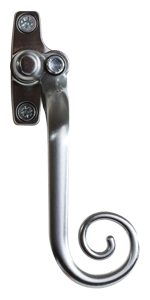
For Residence-style and flush sash aesthetics, period-look hardware options provide traditional character while keeping modern day usability.
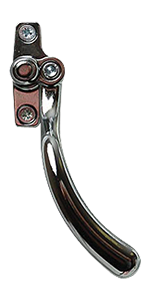
Popular finishes include white, black and Hardex shades such as chrome, graphite, bronze, satin and gold to align hardware with frame colour choices.
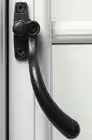
Hardware can be specified through practical standard ranges or upgraded where design-led detailing and matching furniture are preferred.
Hinge specification affects security, weather compression and smooth operation. Legacy Homebrite references highlight concealed friction hinges, while current specification routes include heavy-duty stays and selected hinge-side upgrades.
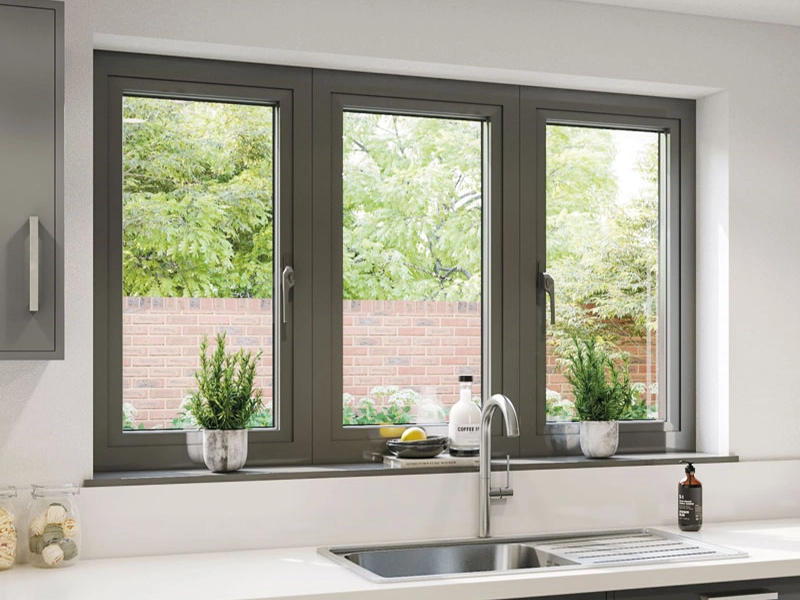
Modern casement systems can be configured with concealed or heavy-duty friction stays to support sash weight, stable operation and cleaner sightlines.

Heritage hardware packages can include matching functional and dummy stays to keep period styling consistent across opening and fixed lights.
Hardware security works best when handles, keeps, cams and hinge-side detail are specified as one complete set. We help you match lock tier and hardware grade to your property needs.
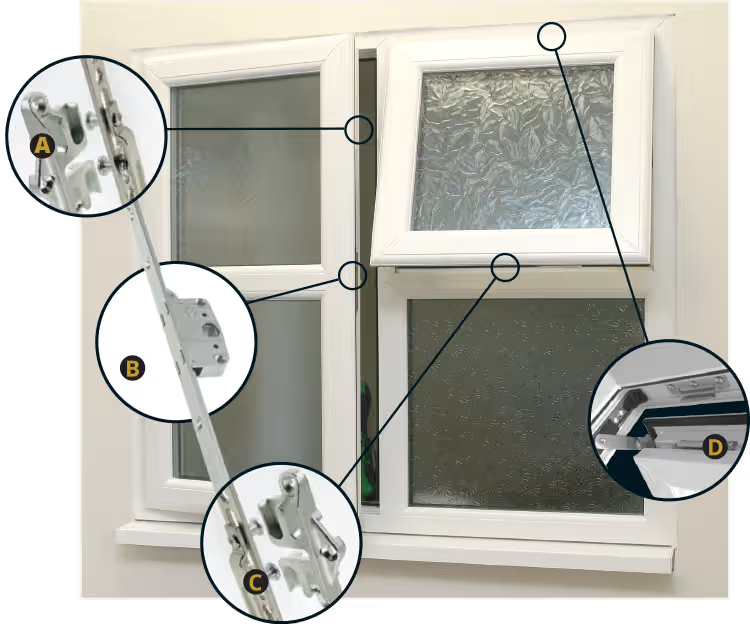
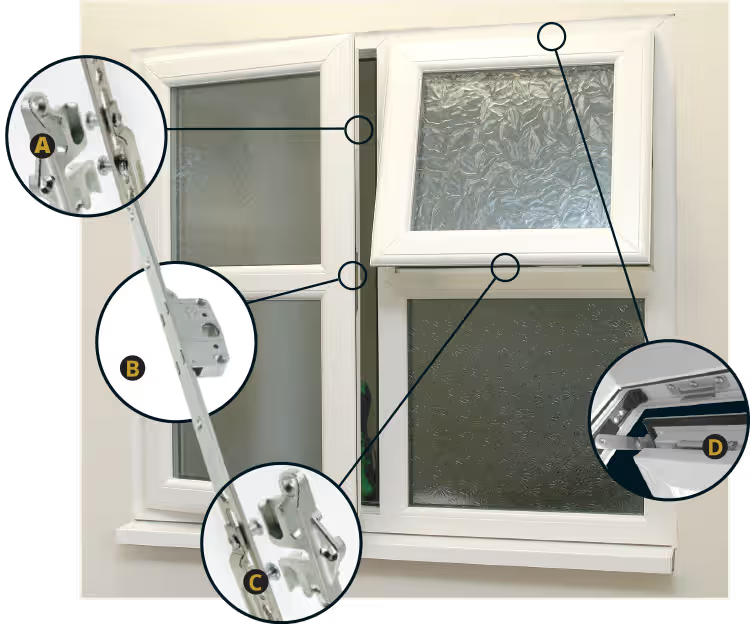
Homebrite window setups can include espagnolette-style multi-point locking with multiple engagement points per sash for secure compression and day-to-day confidence.
Hardware detail can include steel mushroom cams, die-cast keeps and practical night-vent operation. Correct setup at survey and install stage is key to long-term performance.
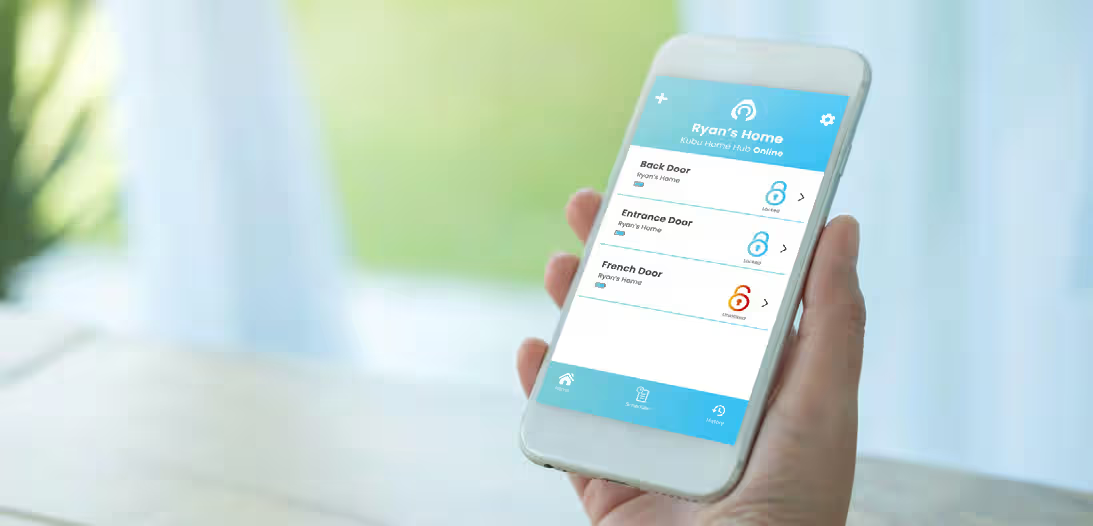
Where compatible, smart lock-status integration can add practical reminders and visibility without changing normal key and handle operation.
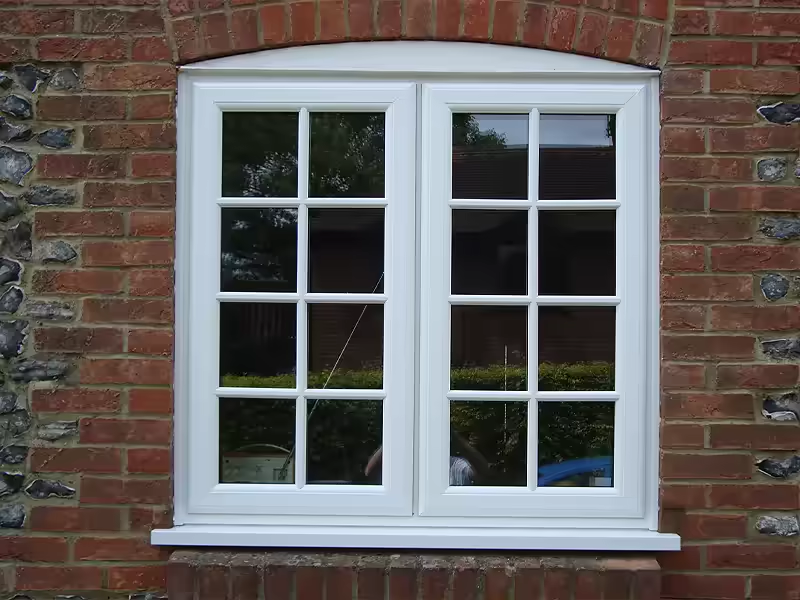
Child-safety hardware should be planned at the same time as locking and ventilation. Restrictor hinges and opening controls can support safer everyday use in family homes.

Regular hardware care protects smooth operation and helps avoid premature failures. We include practical handover advice so your locks, hinges and handles continue performing as intended.
Common triggers include stiff operation, visible wear at locking points, loose handle movement, failed springs or poor compression on closure.
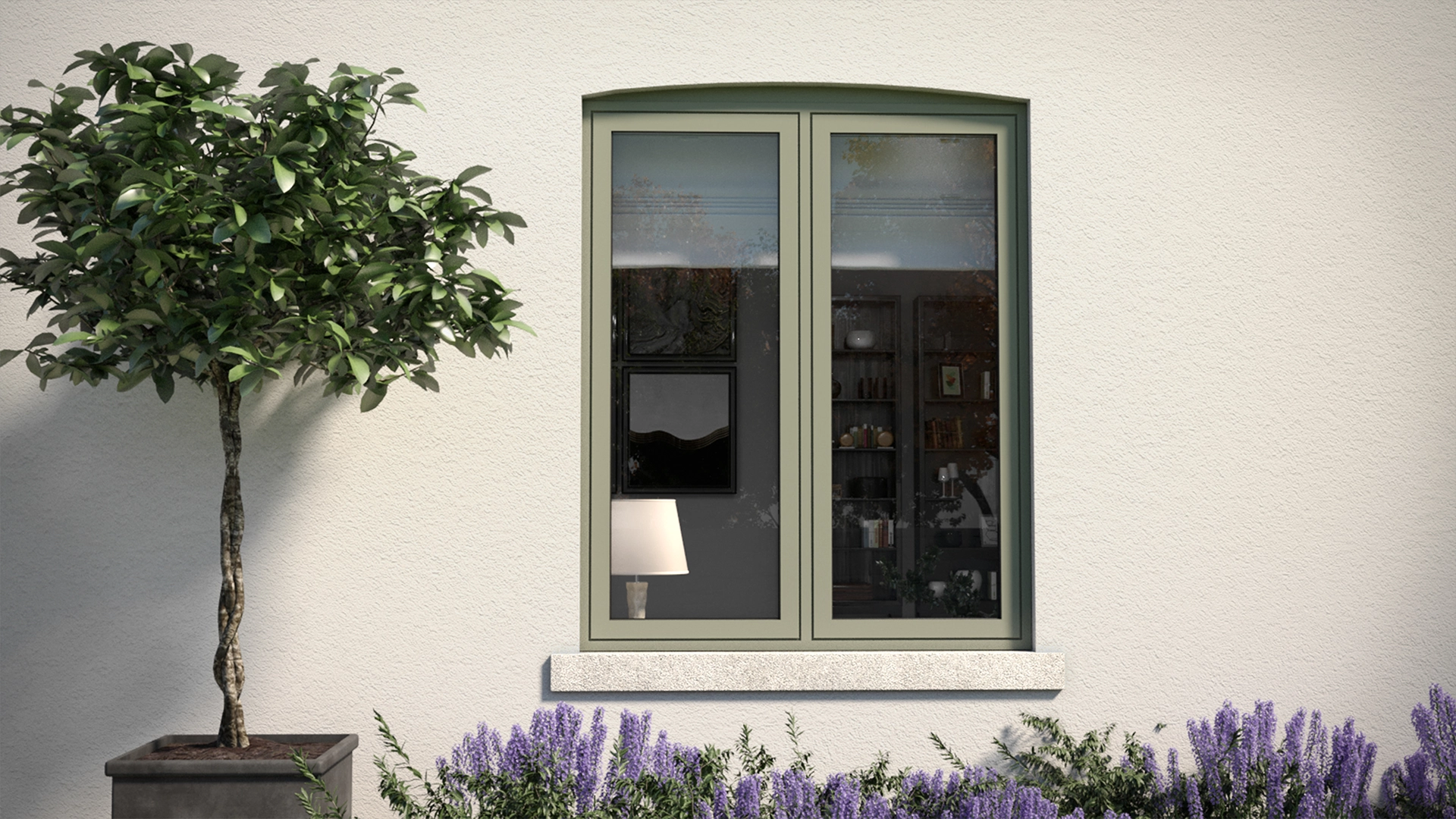
New window projects are the ideal time to align finish, handle style, locking tier and restrictor strategy so the complete specification is consistent from day one.
Common questions about window furniture options, compatibility and aftercare.
Window furniture is the visible and functional hardware used on a window, including handles, stays, hinges, restrictors and related locking components.
In many systems, yes. Heritage-style handle ranges can be paired with selected modern frame systems where the hardware compatibility is confirmed during survey.
Most current Homebrite-ready systems are configured with multi-point locking strategies, but exact lock layout depends on sash size, frame type and project specification.
Friction stays are the hinge components that control sash movement and holding position. Correct size and grade are important for smooth use, weather compression and long-term reliability.
Yes. Restrictor options can be fitted on suitable windows to limit opening. We assess each room layout to balance ventilation, access and emergency escape requirements.
A yearly check is a practical baseline for cleaning, lubrication and adjustment. Higher-use windows may benefit from more frequent inspection.
Continue planning with related Homebrite window pages and practical advice.
Windows Hub
Compare styles and materials before finalizing your hardware specification.
Security
See PAS 24 and secure-locking pathways in more detail.
Design
Coordinate handles and furniture finishes with your frame colours.
Next Step
Get measured recommendations on hardware, safety and security upgrades.
Get an instant Homebrite quote and practical recommendations on handles, hinges, locking options and child safety features for your exact window setup.