Classic White, Cream and Light Neutrals
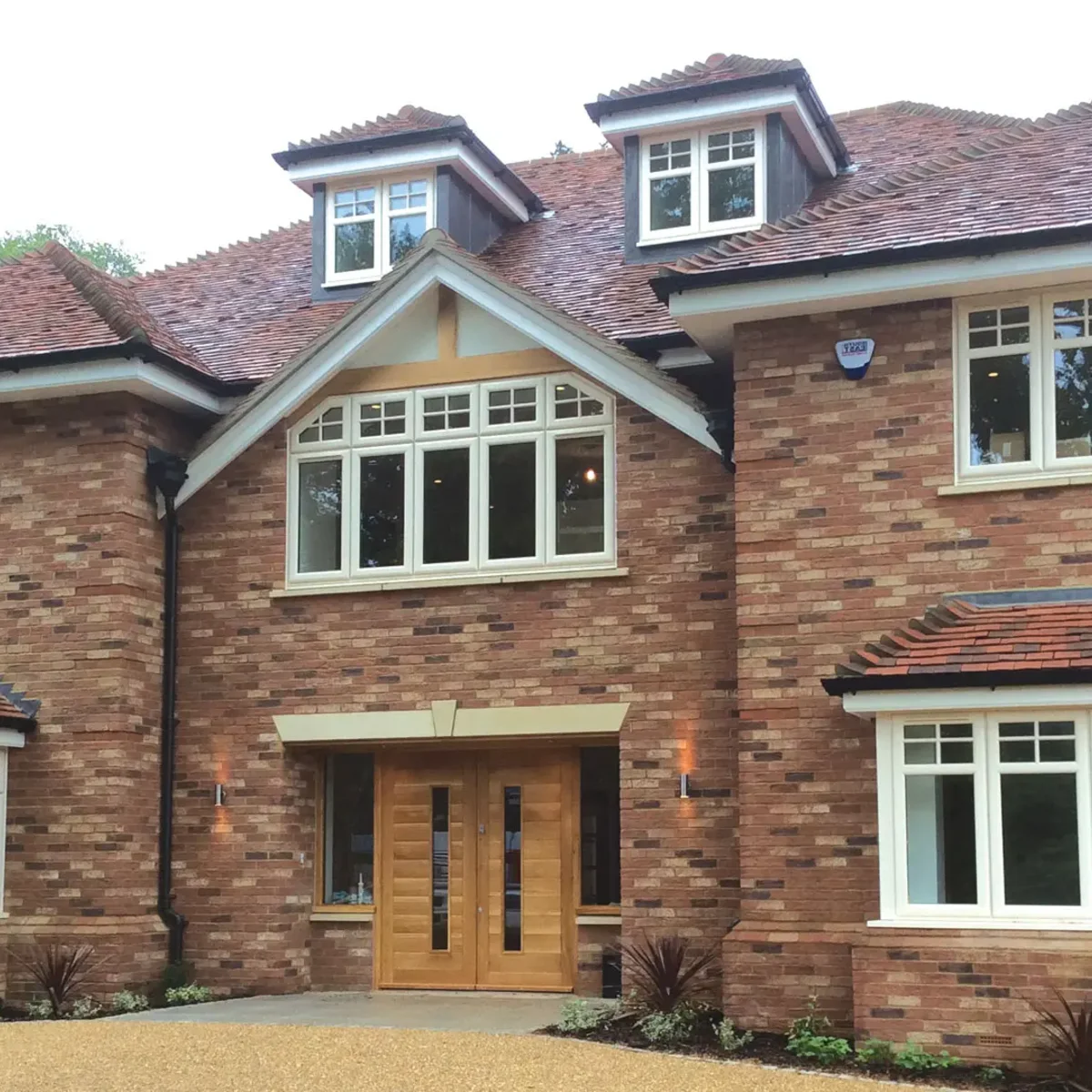
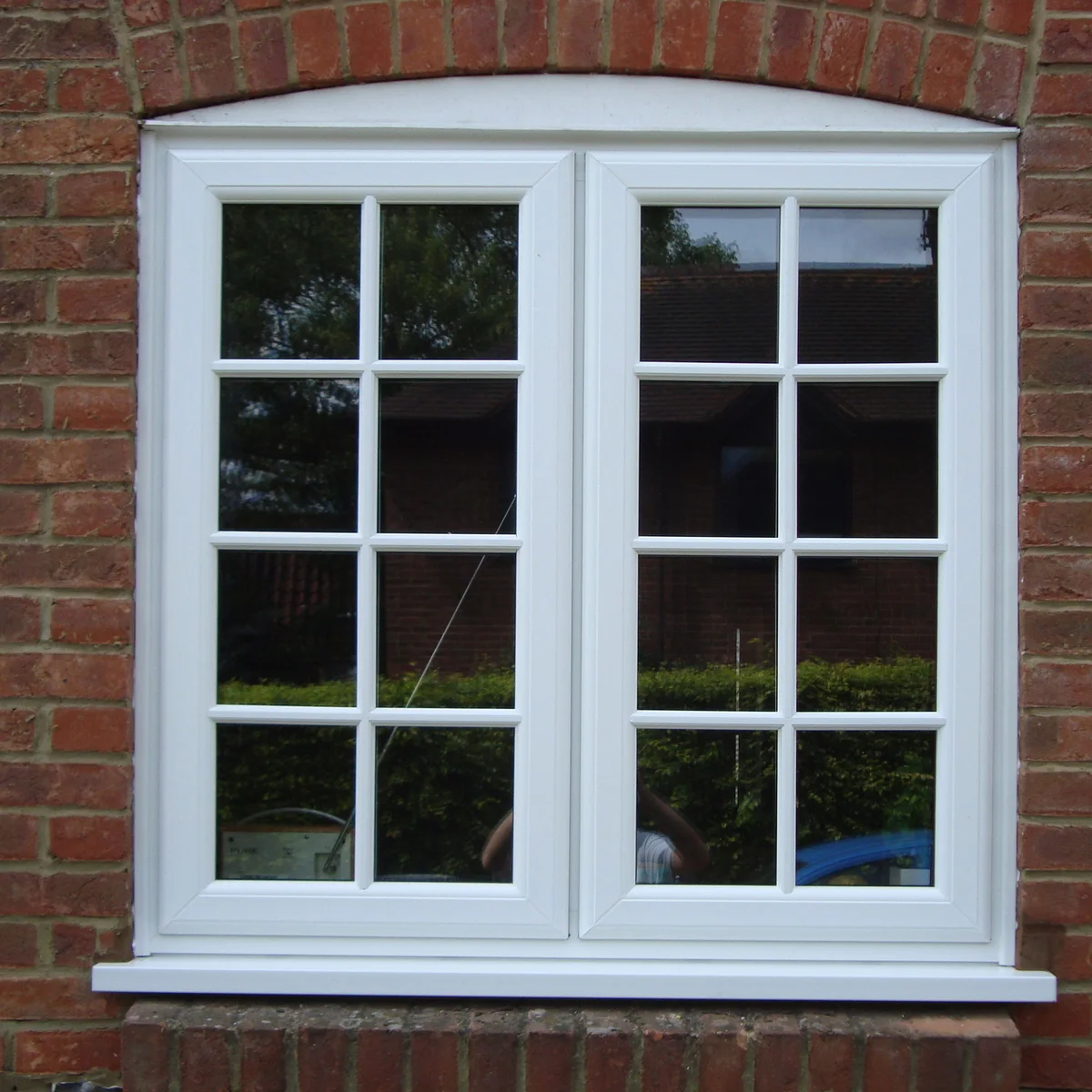
Ideal for bright elevations and broad kerb appeal. White and cream families remain practical, timeless and easy to pair with existing fascias and soffits.
Homebrite Window Colours
Build a practical colour scheme for your new windows with guidance on shades, dual-colour options, finish types and matching doors and roofline details.
Homebrite specifications draw on practical colour families used across casement, flush sash and heritage-style installations. Popular options from previous Homebrite projects include White, Cream, Chartwell Green, Anthracite Grey (7016), Black Brown, Irish Oak, Golden Oak and Rosewood.
For aluminium pathways, standard shades and wider RAL routes are available in single or dual-colour configurations. During survey, we help you balance kerb appeal, interior brightness, lead time and long-term upkeep before final sign-off.
Use this as a practical starting point before narrowing to exact profile and material choices.
Ideal for bright elevations and broad kerb appeal. White and cream families remain practical, timeless and easy to pair with existing fascias and soffits.
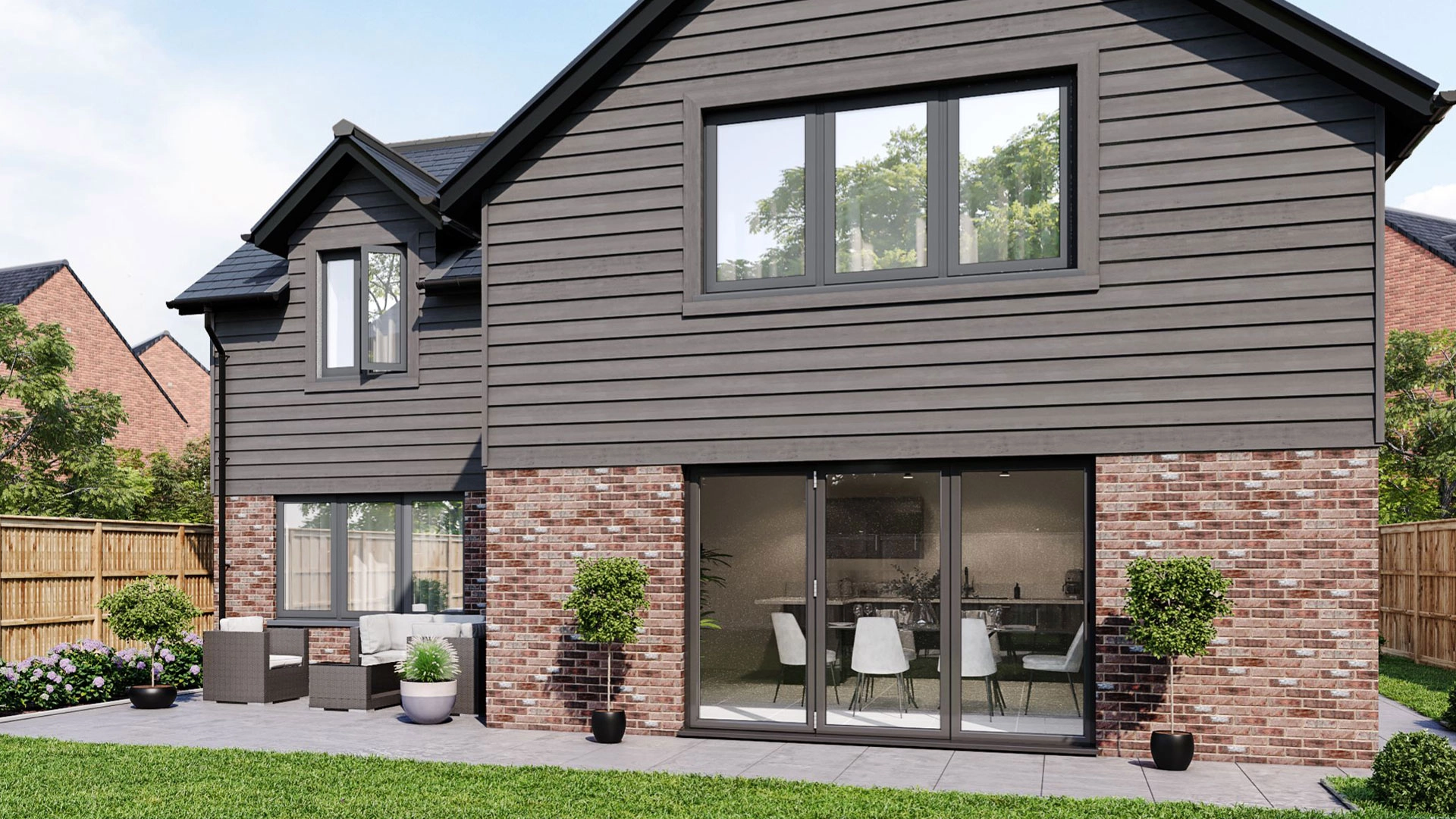
Popular choices include Anthracite Grey (7016) and darker contrasting finishes for contemporary schemes, extensions and clean-line new builds.
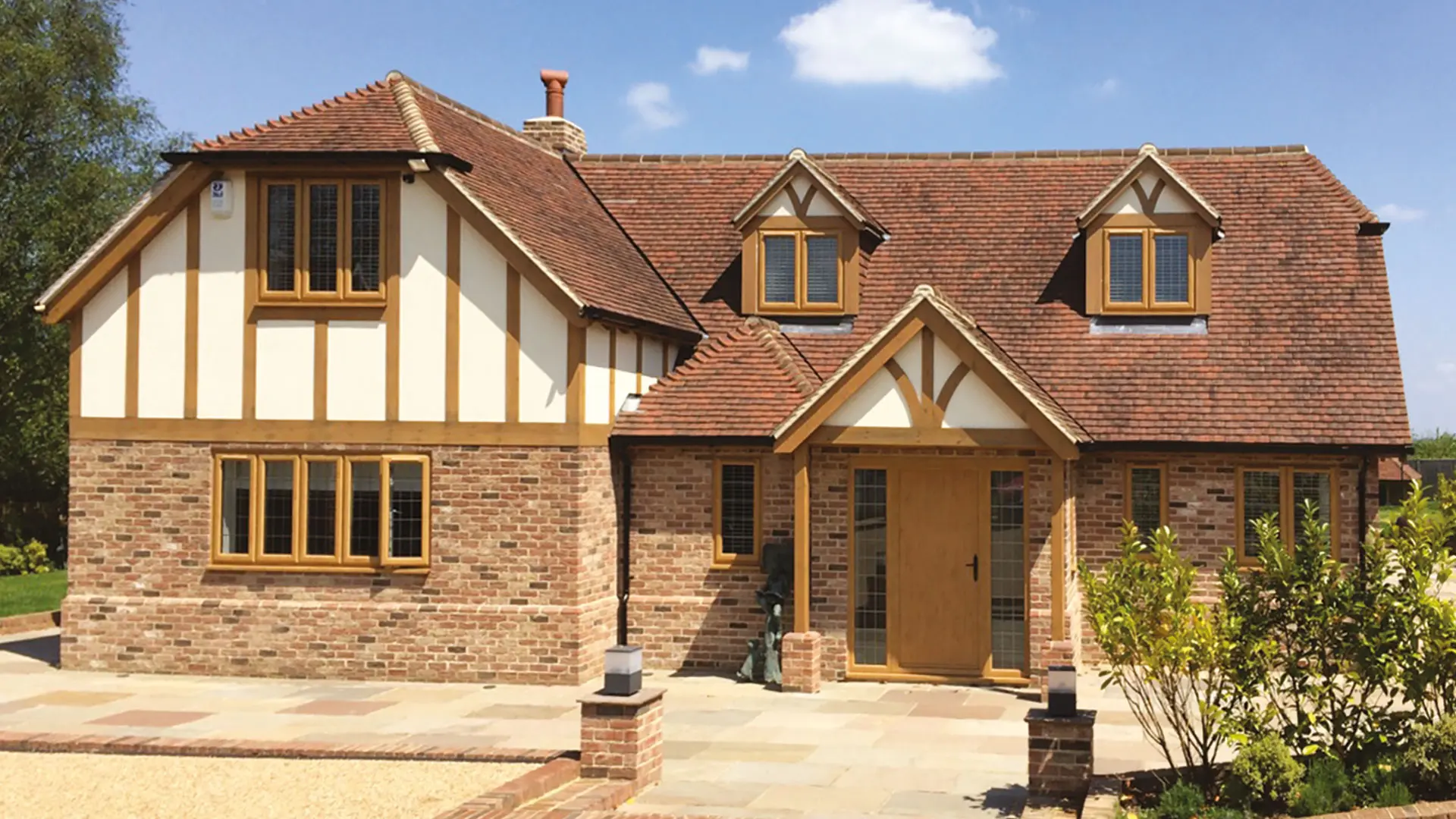
Woodgrain foils such as Golden Oak, Irish Oak and Rosewood bring traditional character without the repainting cycle associated with older timber frames.

A modern, architectural finish often paired with contemporary brick and render.

A heritage-inspired tone that suits period cottages and conservation-led streetscapes.

Warm timber-effect appearance with lower maintenance than painted hardwood.

A darker woodgrain look that adds contrast to light masonry and render.

A soft natural oak tone for homes that need a calmer timber effect.

A rich deep finish used where strong framing definition is preferred.
Dual-colour setups are often the most practical route for balancing interior brightness with a stronger external design statement.

Dual-colour framing lets you keep a light internal finish while using a bolder external shade to suit brickwork, render and roof tiles.
Common route: white inside with grey, green or woodgrain outside.
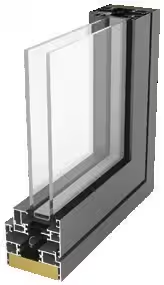
For aluminium systems, selected standard shades are available quickly, with broader RAL options where a custom brief is needed.
Custom RAL choices can involve longer lead times depending on specification.
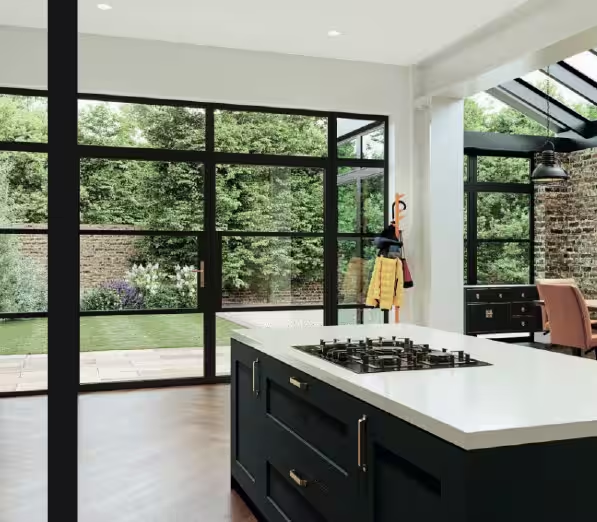
We can help map colours by elevation so windows, doors and side returns feel coordinated from every street-facing angle.
Useful for bay windows, porches and mixed-material front elevations.
Colour choice and finish type should be made together. Surface texture influences both appearance and how the frame looks in changing daylight.
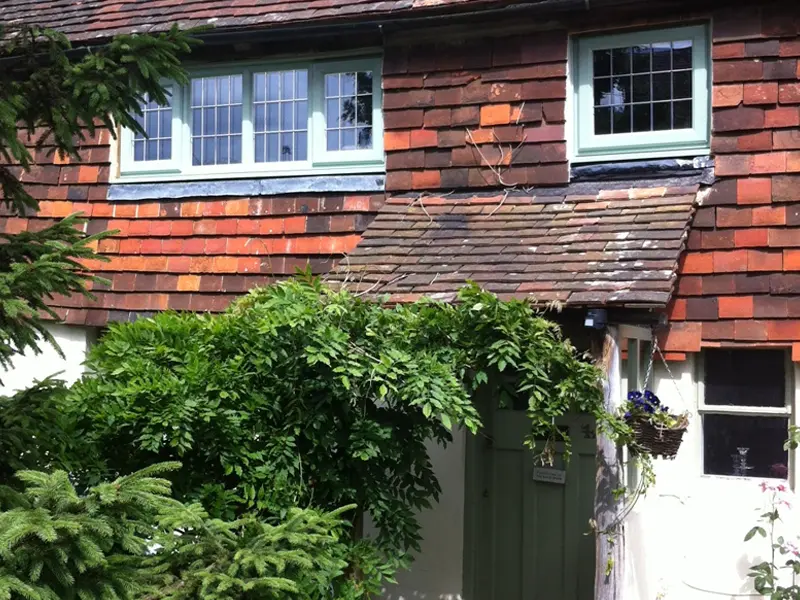
Best for crisp modern looks and easy wipe-down cleaning, especially in white and lighter neutral shades.
Adds texture and depth for period-sensitive projects, timber alternatives and heritage-style flush sash specifications.
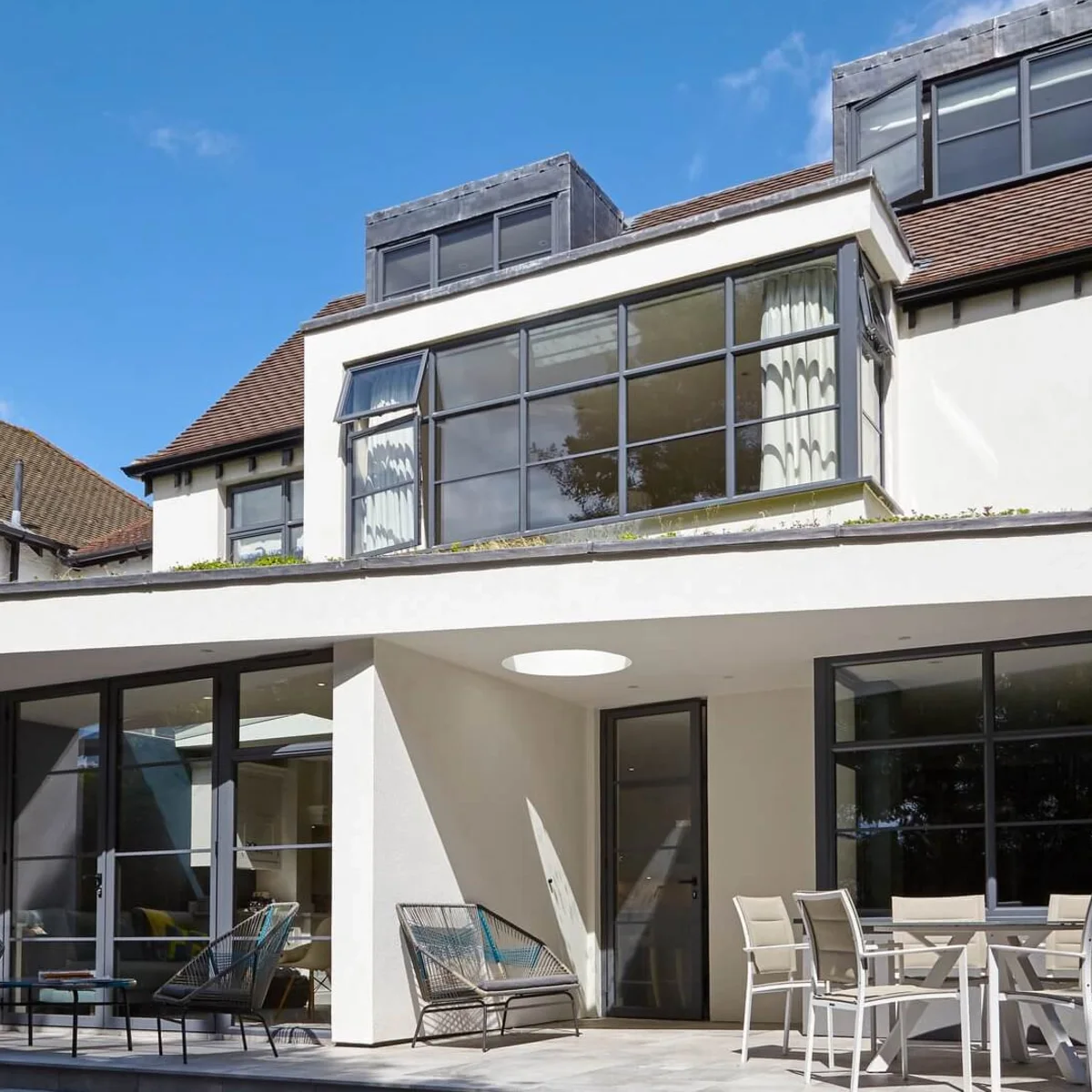
Suitable for slimline frames and larger glazed areas, with choices ranging from fast-track standards to bespoke colour matching.
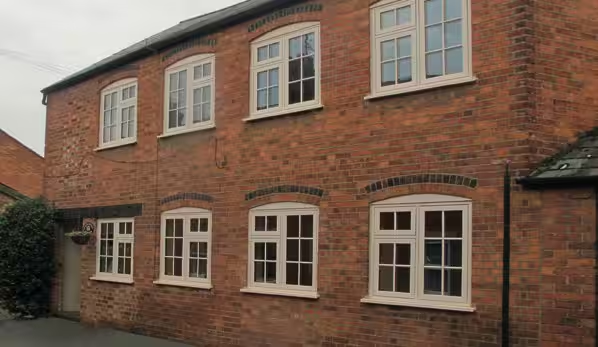
One of the biggest advantages of modern window finishes is reduced upkeep. A simple maintenance rhythm helps preserve appearance and keeps moving parts performing correctly.
A strong window colour scheme is most effective when coordinated with entrance doors, trims and roofline components rather than selected in isolation.
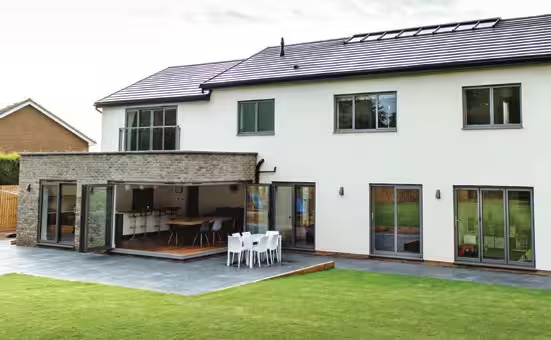
Coordinate frame tones with entrance, French, sliding or bifold doors so key openings read as one complete design scheme.
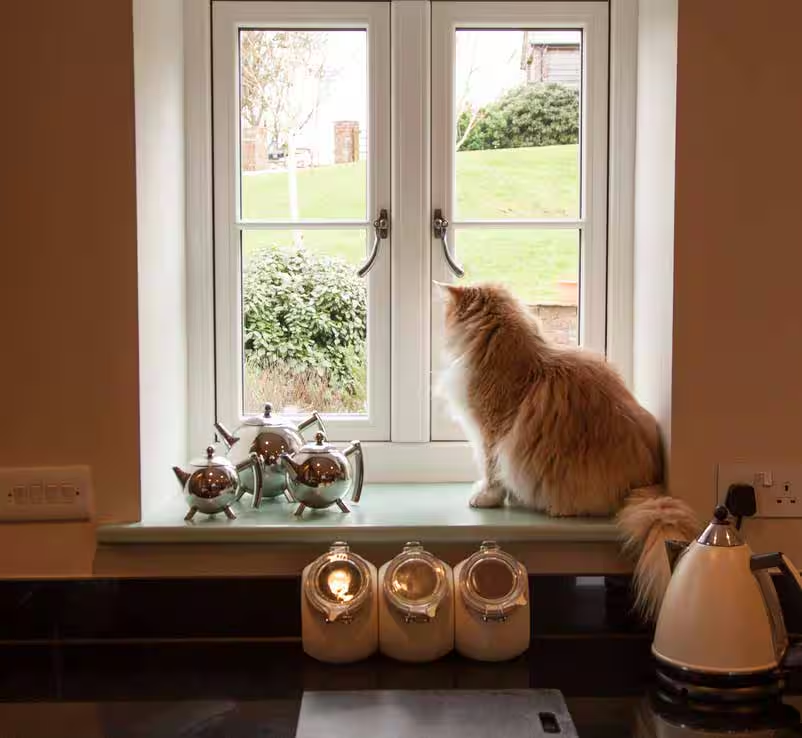
When window colours are selected alongside roofline elements, the full elevation looks more intentional and balanced.
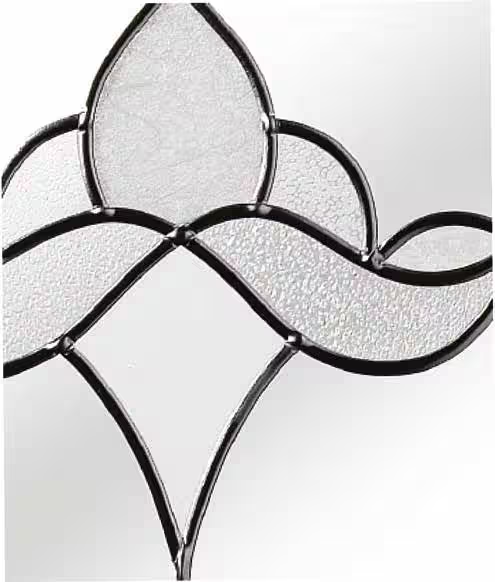
Decorative glass, leaded options and coordinated hardware finishes can complete the colour brief without overcomplicating maintenance.
Practical answers to the questions most homeowners ask before confirming finish choices.
Across recent projects, white, Anthracite Grey, Chartwell Green and woodgrain tones such as Golden Oak and Rosewood remain the most requested starting points. Final recommendations depend on property style, elevation and surrounding materials.
Yes. Dual-colour options are available across selected systems, allowing a lighter internal finish with a different external shade for kerb appeal and planning context.
Maintenance steps are broadly the same across colours. Darker finishes may show dust sooner, so a slightly more frequent wipe-down can keep them looking sharp.
Yes. Standard shades are usually quickest, while custom single or dual RAL finishes are available for design-led projects, typically with longer lead times.
In many cases, yes. During survey we compare current finishes and suggest the closest practical match across windows, doors and roofline details.
Start by selecting one neutral baseline and one accent option, then review them against brick tone, roof tile colour and front door finish. We can then refine this into a practical, measurable specification.
Get an instant quote to compare colour families, dual-colour options and finish types side by side, with clear advice on maintenance and lead times.