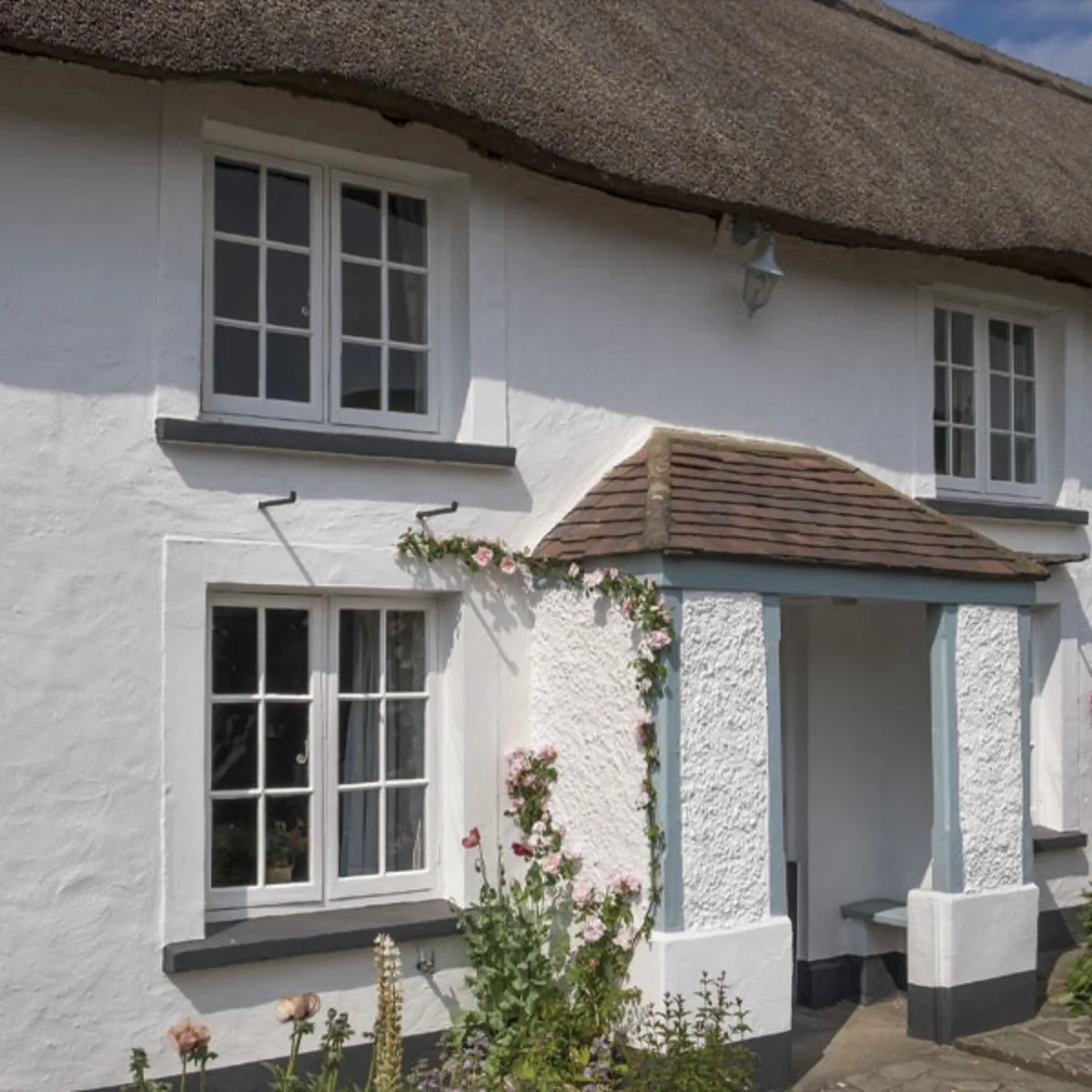
Traditional Storm-Casement Character
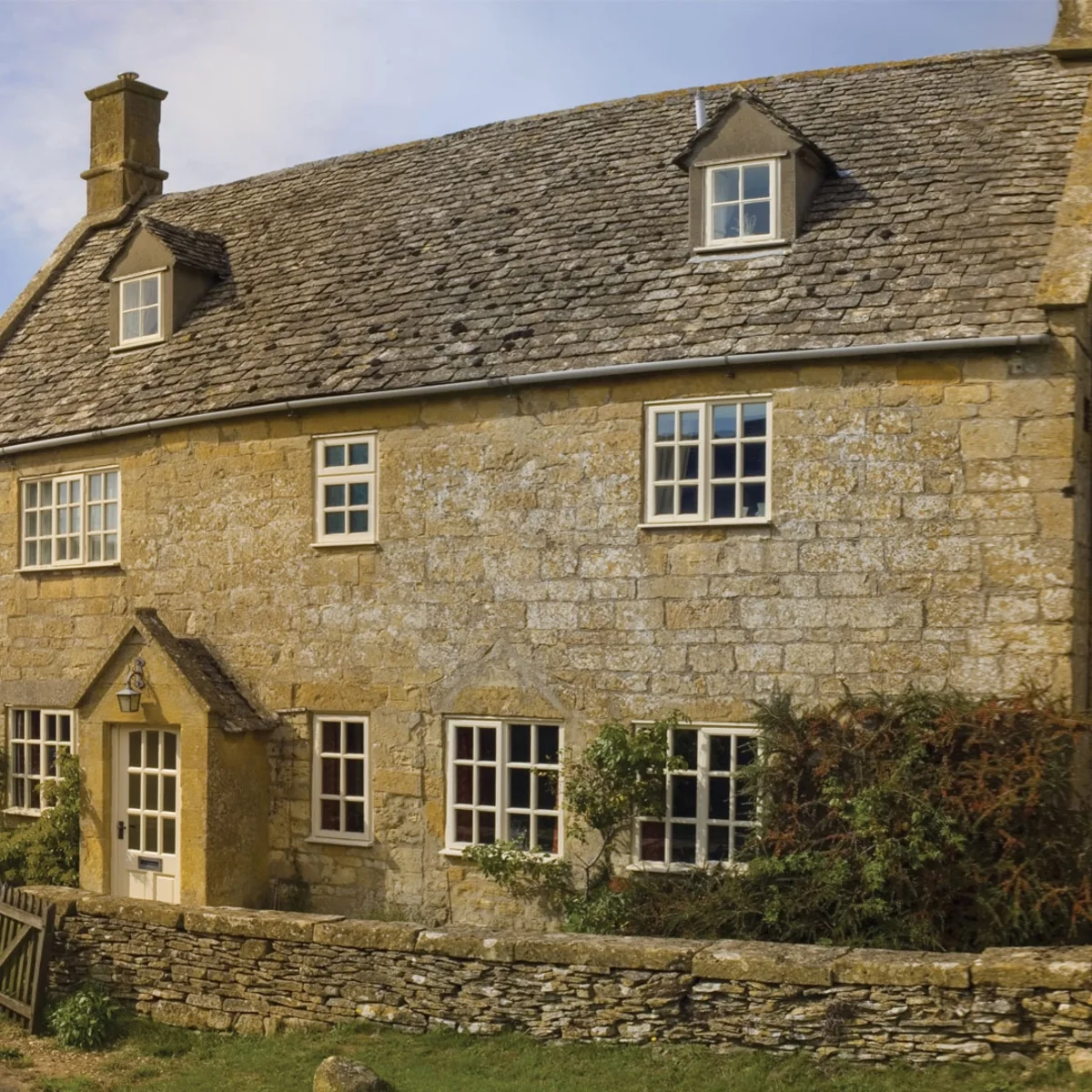
A proud sash line and classic proportions give this style strong period appeal while still suiting many updated homes.
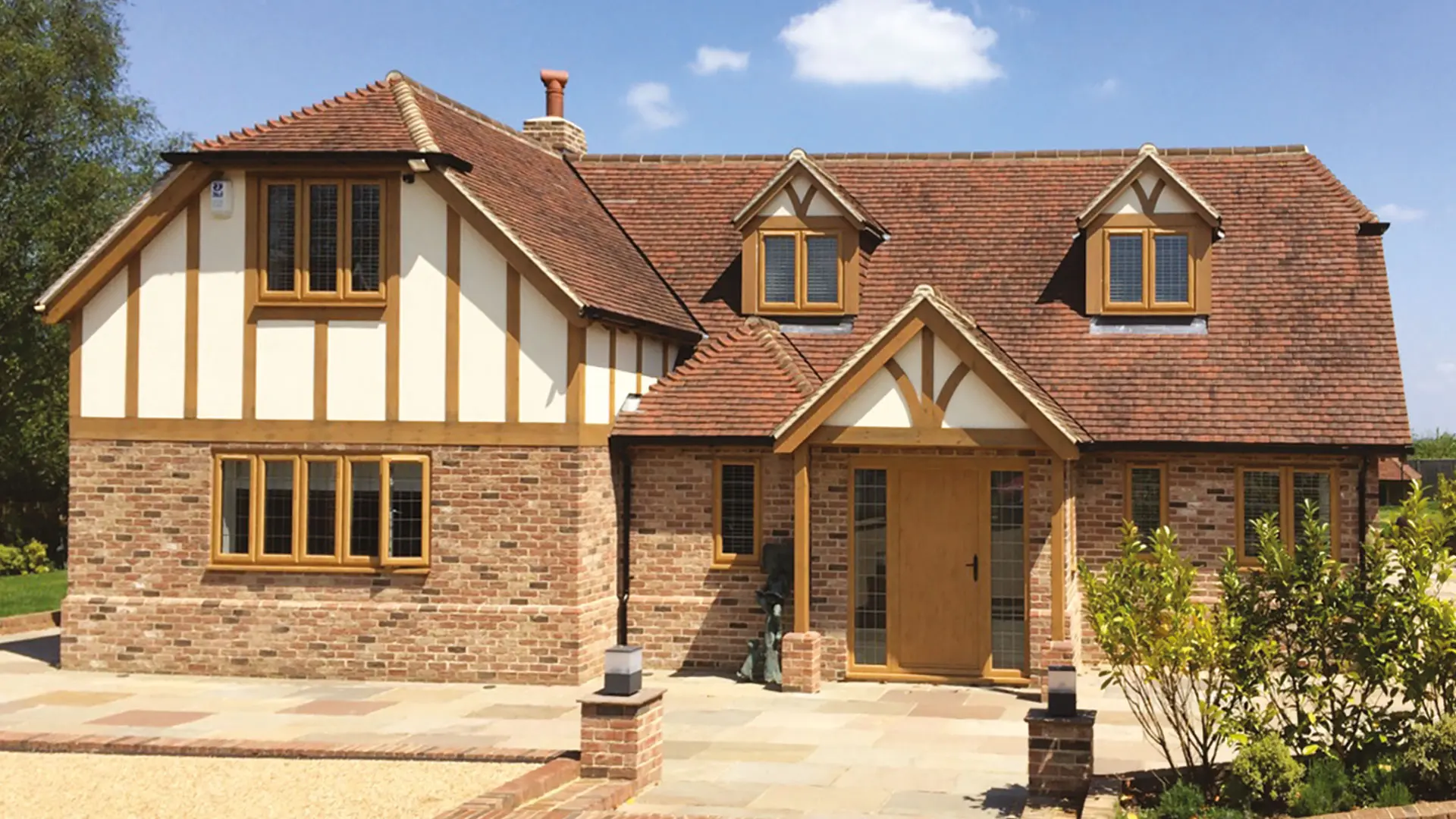
Homebrite Windows
Choose a made-to-measure timber storm casement system that protects against the weather, supports energy efficiency and keeps the character of your home front and centre.
Storm casements combine timber craftsmanship with practical weather-focused engineering, making them a strong option for period-sensitive upgrades and quality-led replacements.
A proud sash line and classic proportions give this style strong period appeal while still suiting many updated homes.
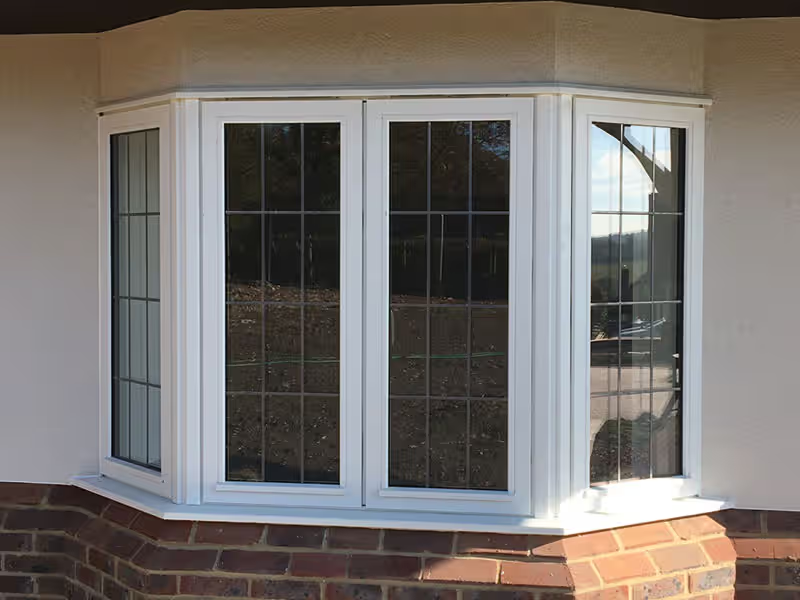
Careful sealing and frame detailing are designed to help resist wind-driven rain, draughts and everyday exposure.
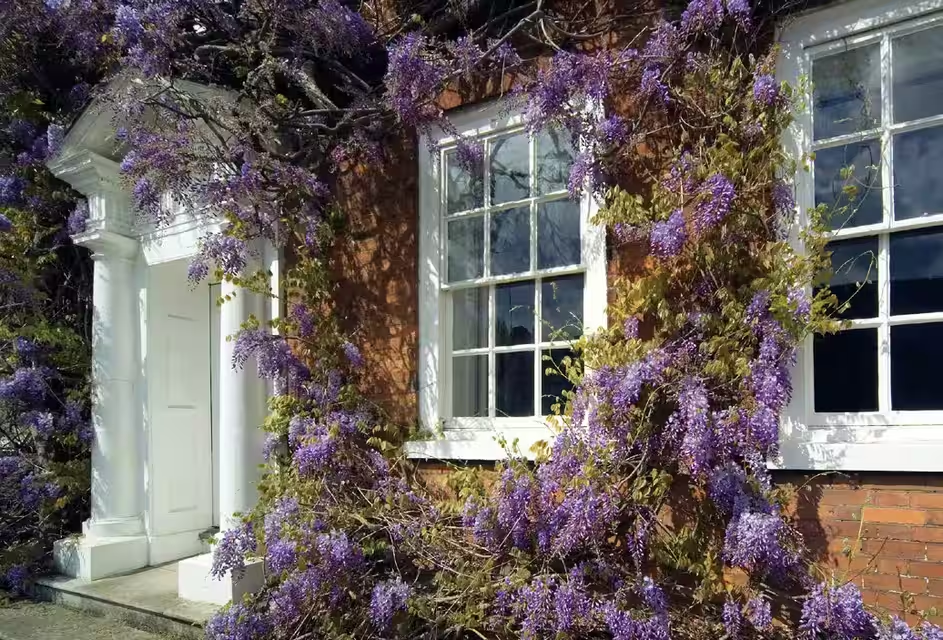
Specification pathways include engineered redwood with hardwood upgrade options to balance appearance, stability and lifespan.
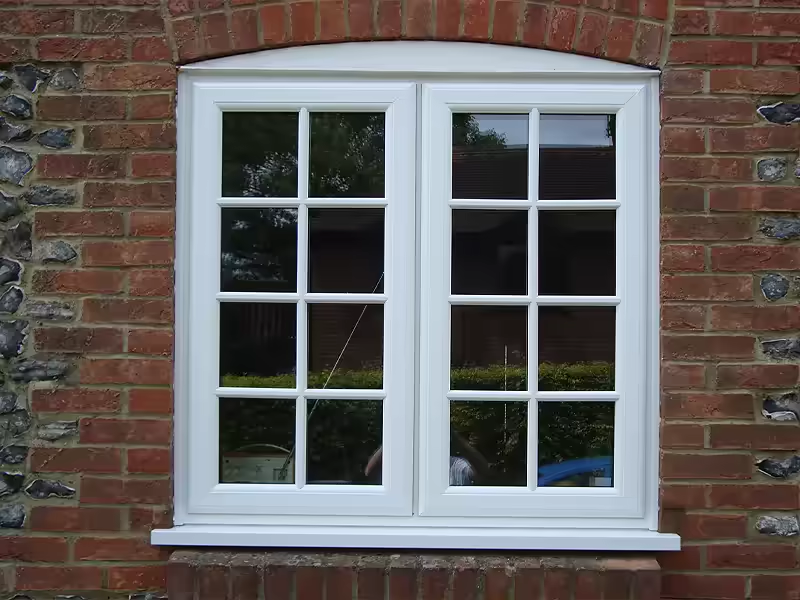
Select side-hung or top-hung openings with heritage-led bar and hardware options to match your property style.
Based on current supply pathways, timber storm casement systems are available with flexible build options to suit planning context, security priorities and comfort goals.
Every recommendation is built around measurable outcomes: heat retention, reduced outside disruption and secure daily operation.
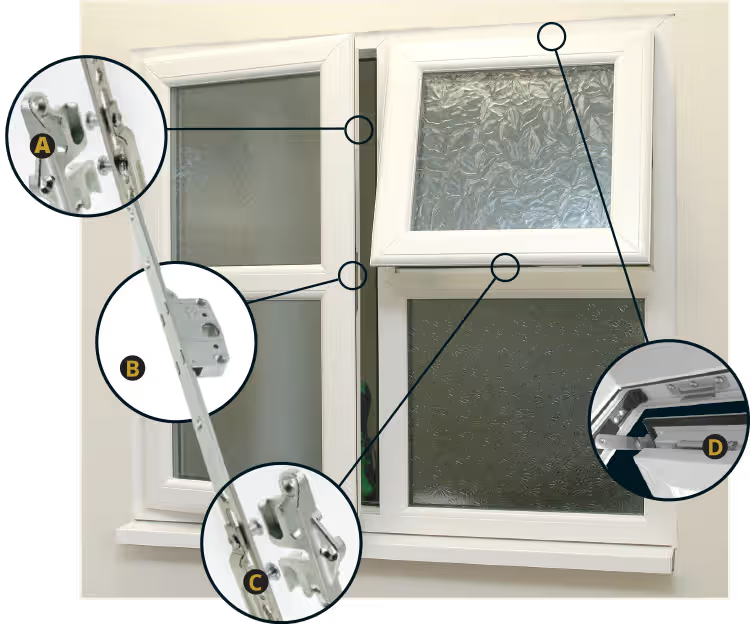
Modern locking systems and reinforced components can be configured to align with PAS 24-focused project requirements.
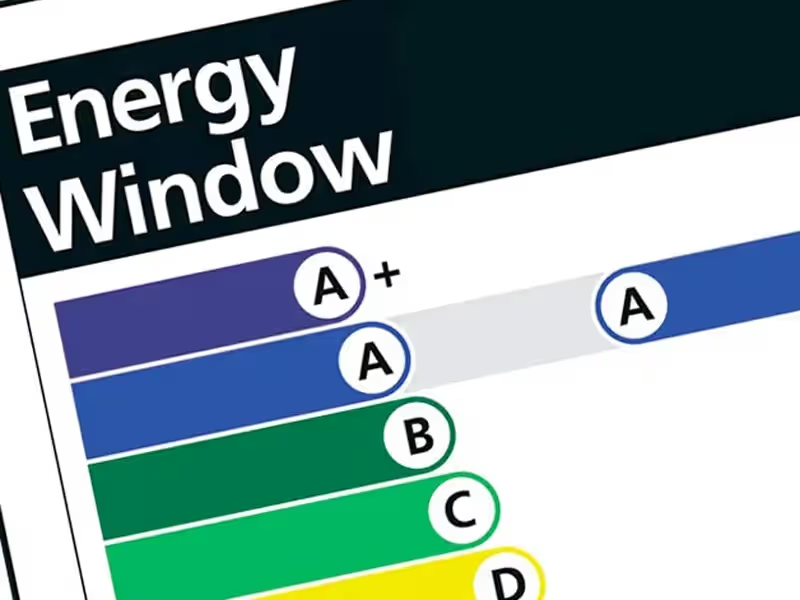
Typical storm-casement specification can target around Uw 1.4 W/m²K with double glazing and lower values with triple glazing on selected builds.

Correct glass build-up, frame fit and perimeter sealing help reduce outside noise transfer into bedrooms, lounges and studies.
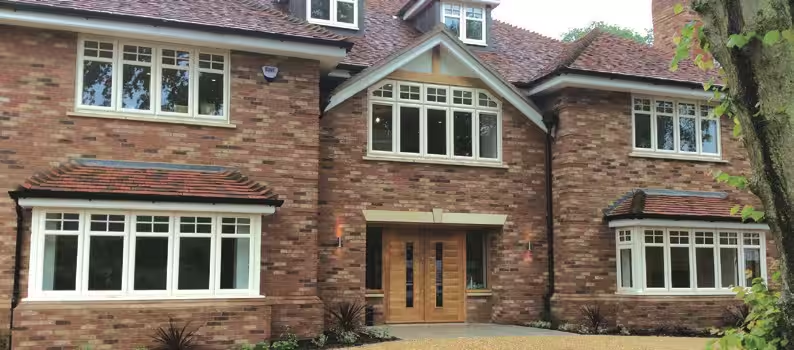
Storm-casement formats are chosen for homes that need dependable weather resistance without losing timber-led visual character.
Timber storm casements can be tailored in detail, from colour and stain through to bar layout and hardware selection.
Choose from classic whites, popular RAL shades and timber-tone stain options to match interior and exterior finishes.
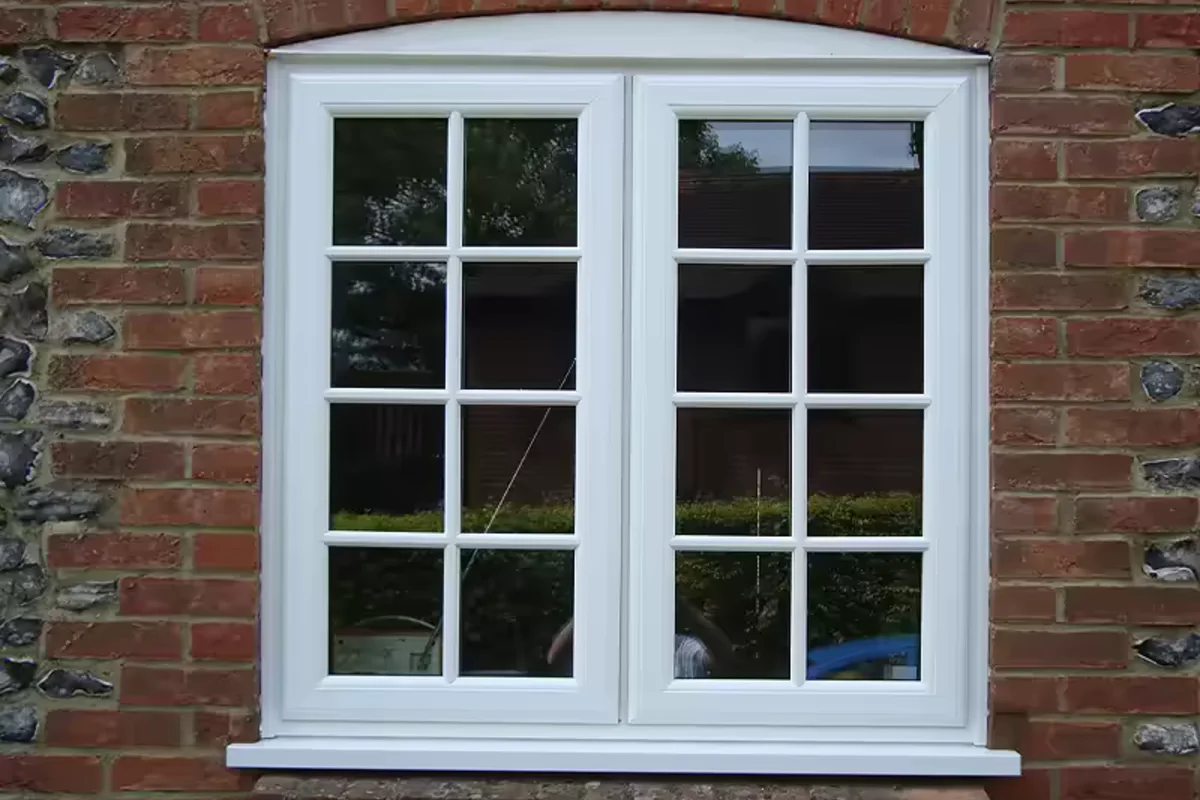
Explore options Bonded bar pathways include 22mm, 40mm and 56mm style options, giving you flexibility for heritage or cleaner modern aesthetics.
Explore options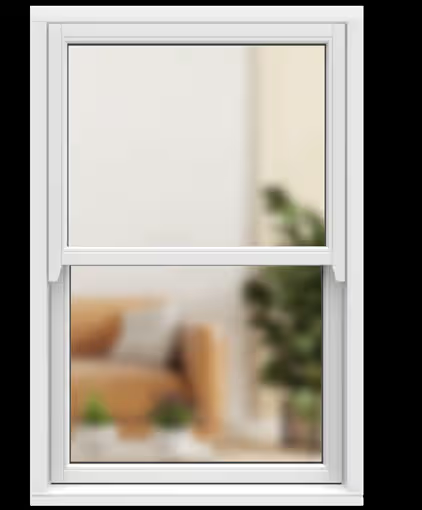
Select handle and stay finishes that complement your chosen frame colour, with practical operation and long-term usability in mind.
Explore options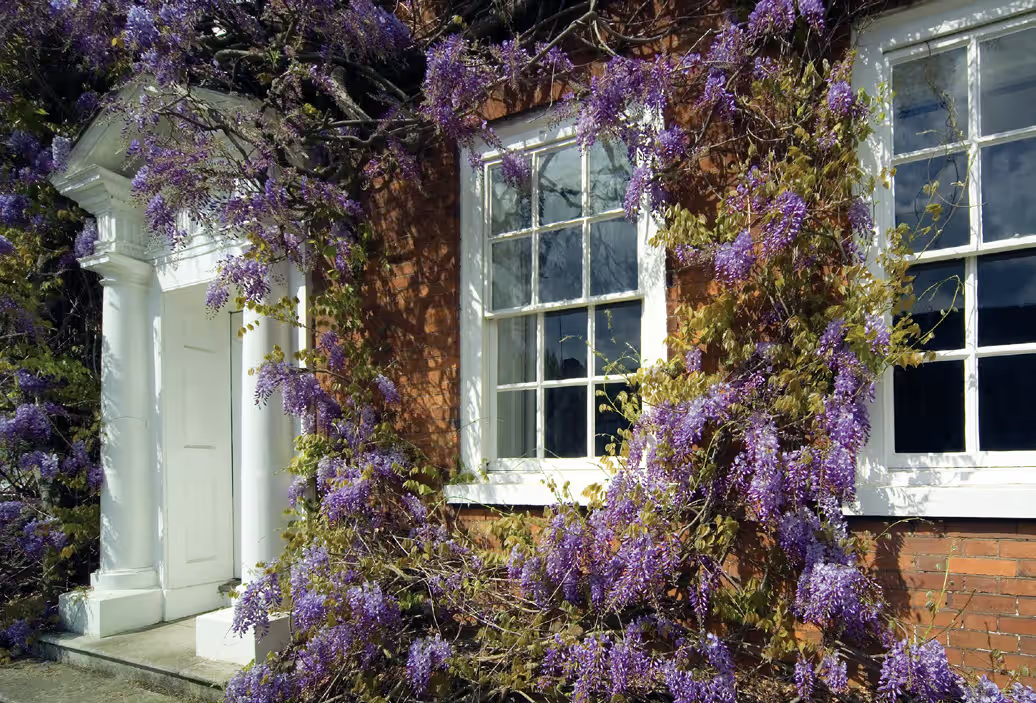
Specify glazing around daylight, privacy and acoustic priorities, including obscure and solar-control options where appropriate.
Explore optionsStorm casements are often specified alongside related window formats to keep function and styling consistent across elevations.
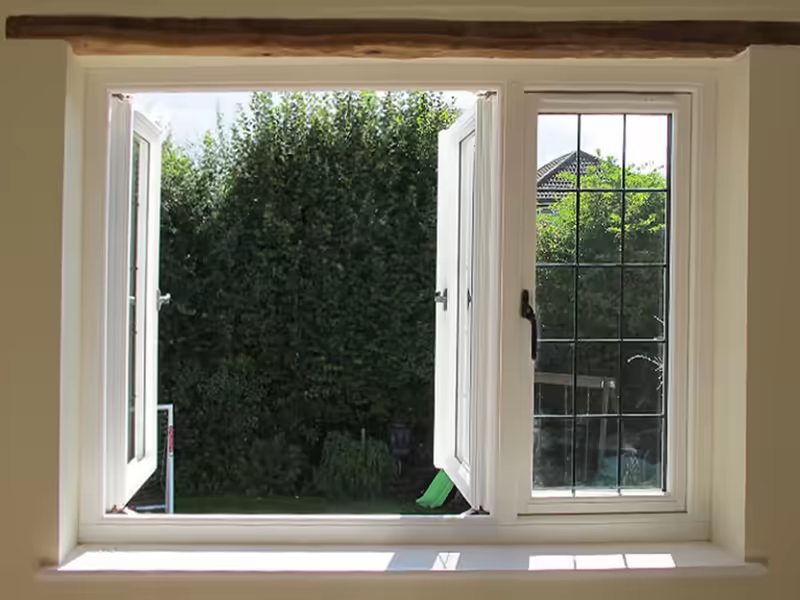
Create wider clear openings and improved airflow in bedrooms, landings and upper-floor living spaces.
View related style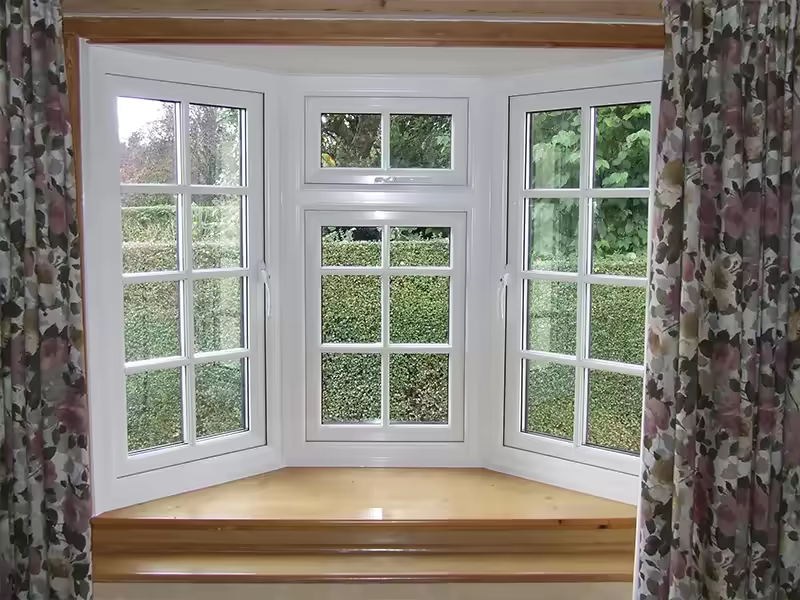
Storm casement sections can be integrated into bay-style arrangements to increase light and external views.
View related style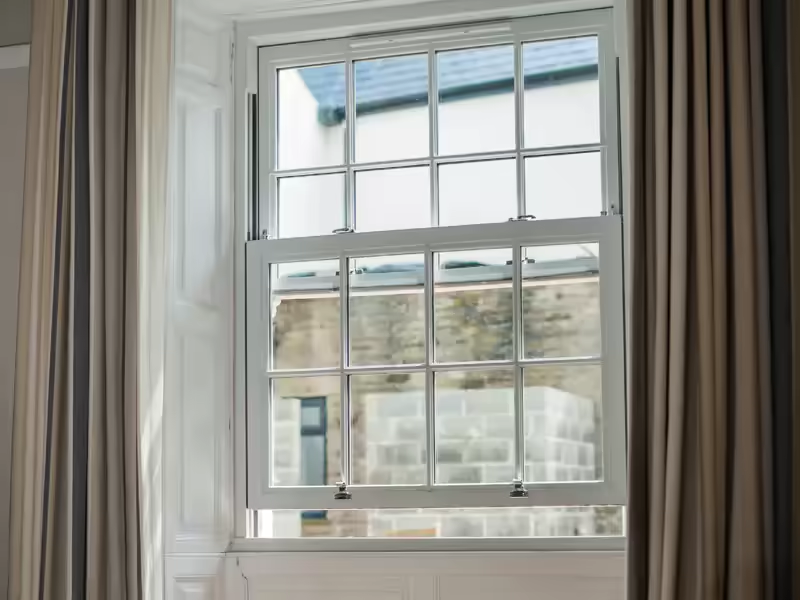
Use storm casements and vertical sliders together across the same property to preserve style consistency by elevation.
View related style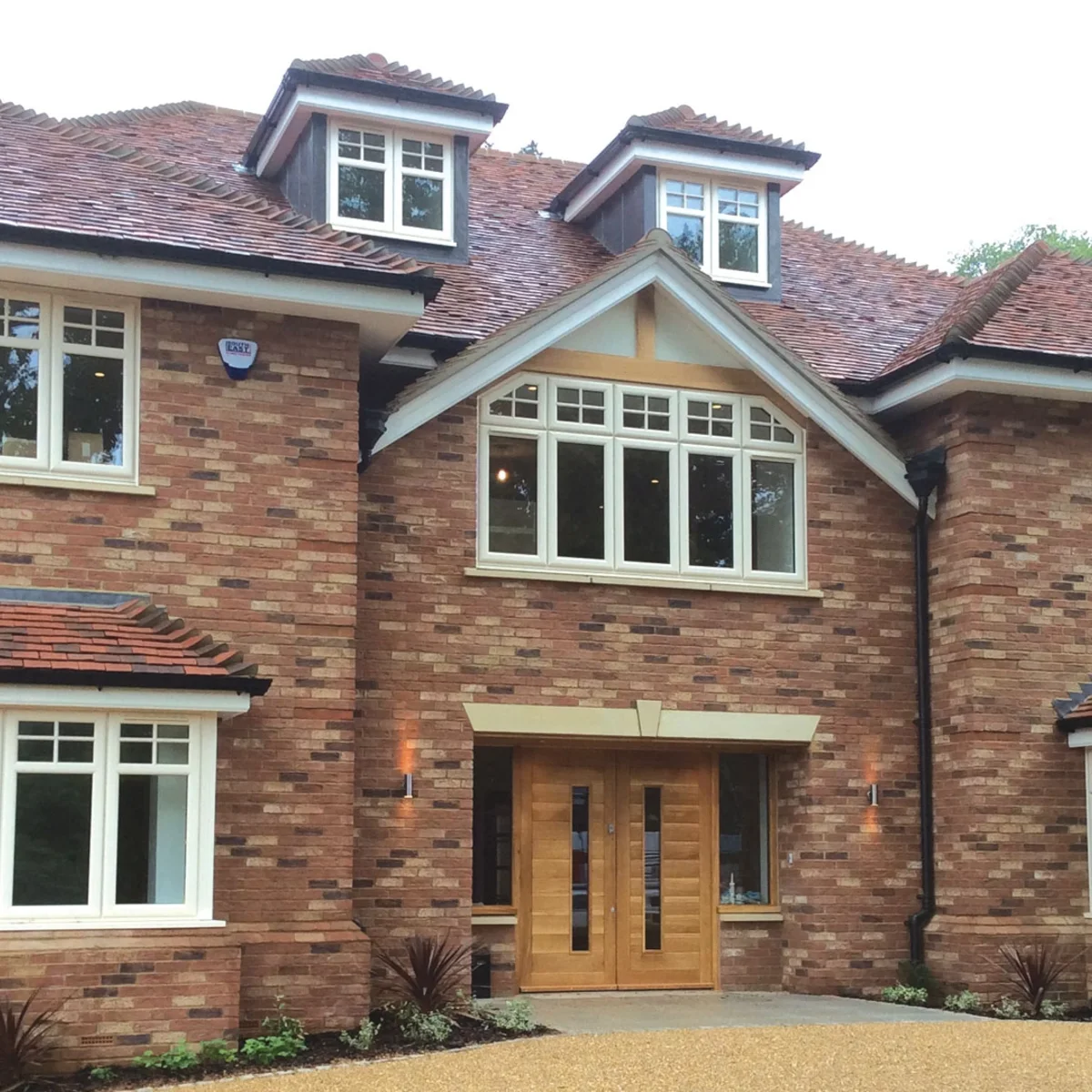
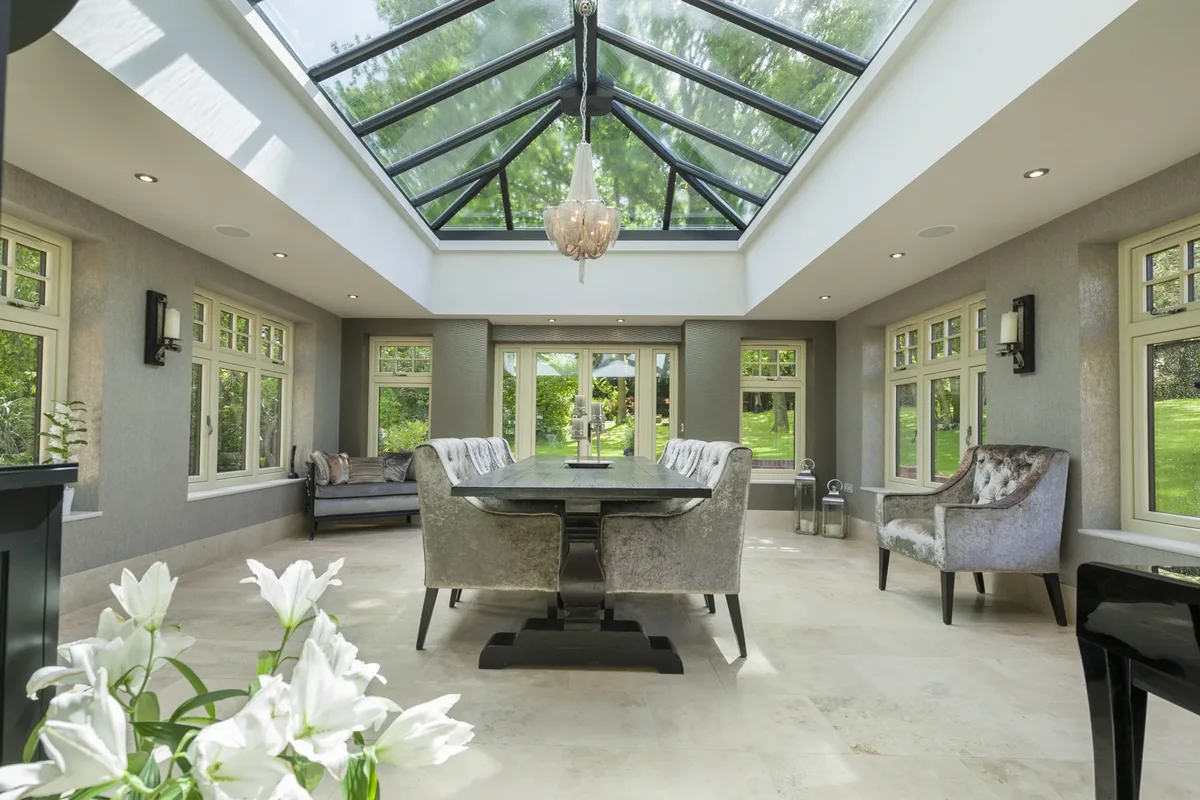
Where maintenance priorities are higher, we can compare timber storm casements against heritage-style alternative systems.
View related styleFrom first survey to final handover, every stage is designed to keep scope, timelines and specification decisions clear.
Step 1
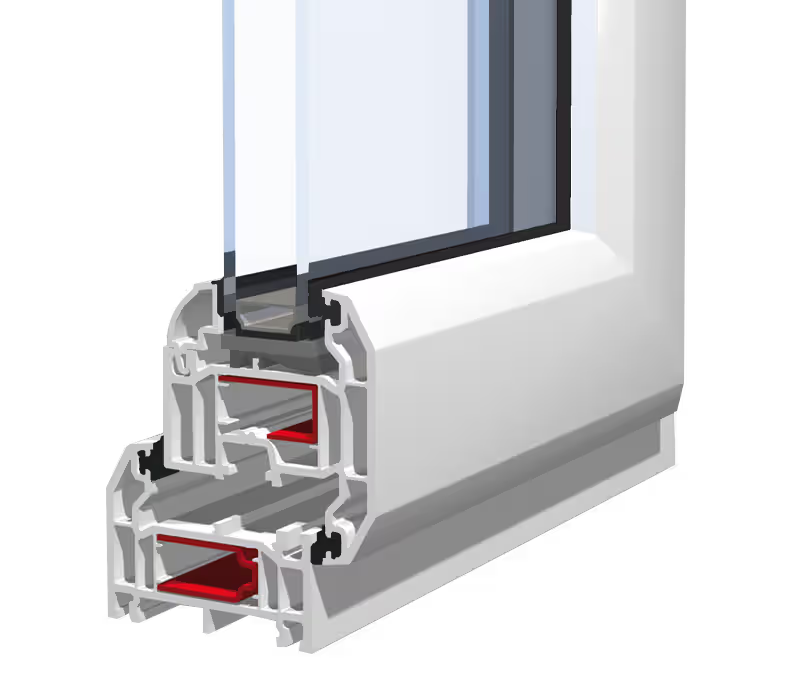
We review your openings, property style and performance priorities, then measure every aperture for an accurate fit-first plan.
Step 2
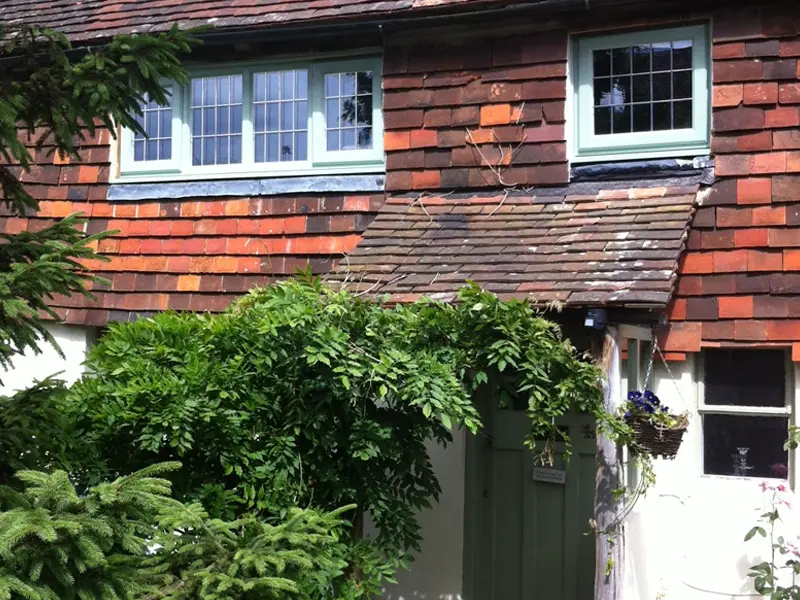
Frame depth, glazing type, bar layout, handles and colour are confirmed so your quote and final order reflect the same detail.
Step 3
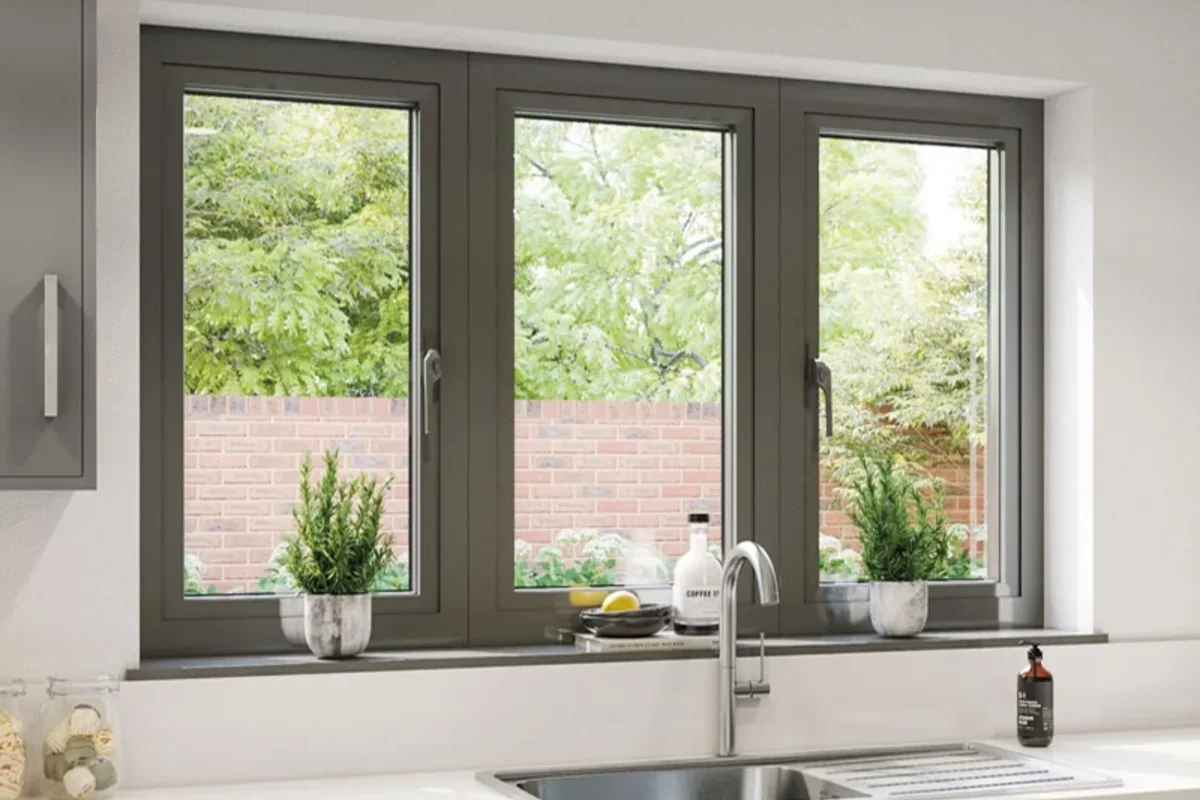
Existing units are removed and replaced with precision-fitted frames, then sealed and finished to a clean handover standard.
Step 4
You receive practical usage guidance, care recommendations and guarantee documentation once the project is signed off.
Quick answers to common questions we hear during timber storm casement surveys across Kent.
A storm casement has a more prominent overlapping sash profile, which is designed to improve weather protection while keeping a traditional timber appearance.
Yes. Performance depends on final specification, but modern timber storm systems can achieve strong thermal results with double or triple glazing and correct installation.
Yes. You can typically choose from standard RAL and stain pathways, plus bonded bar style options to suit traditional or cleaner modern design preferences.
Yes. Multi-point locking options are available, with PAS 24-aligned specification routes where project requirements call for enhanced security testing pathways.
Many like-for-like replacements are permitted development, but listed properties or homes in conservation areas may need additional approval before work starts.
During survey we compare timber storm casements against alternative-to-timber and aluminium routes based on appearance, maintenance expectations and budget.
Continue comparing products and planning details before you finalise your timber storm casement specification.
Windows Hub
Compare styles, materials and glazing options across the full Homebrite windows range.
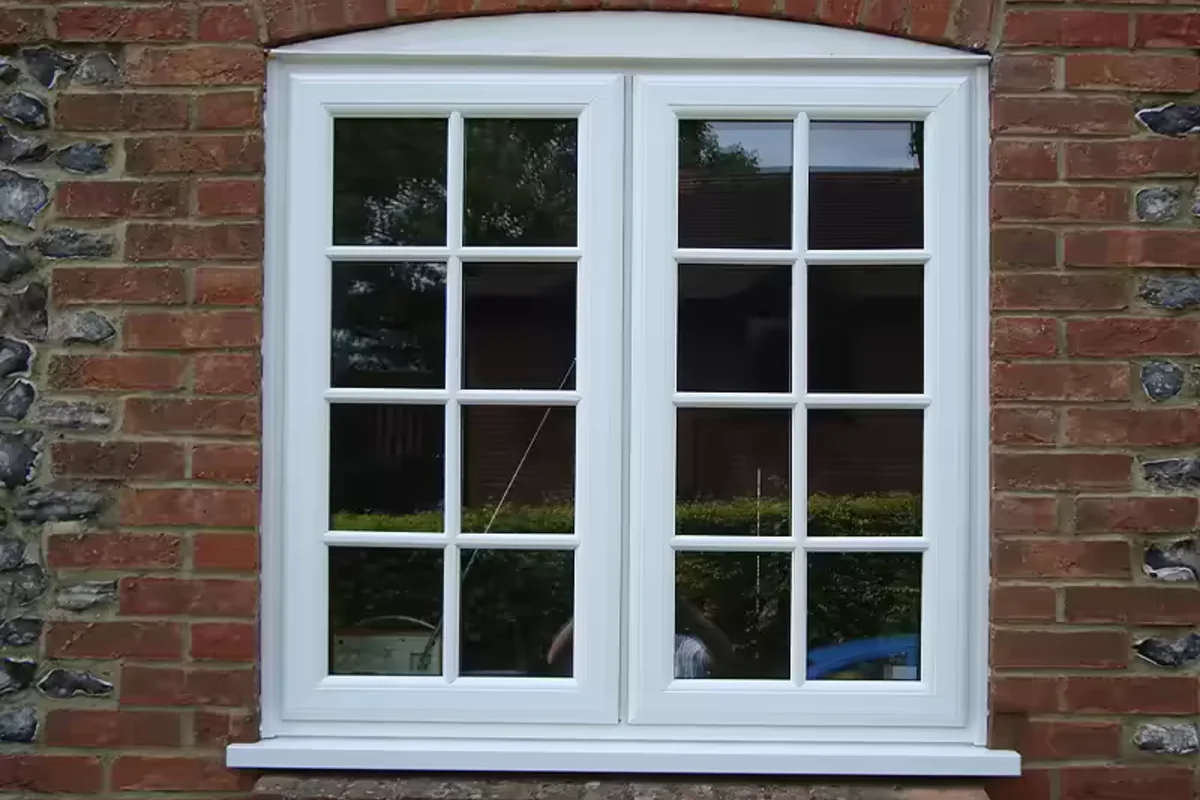
Style Guide
See side-by-side style routes including casement, flush, sash and heritage-led configurations.
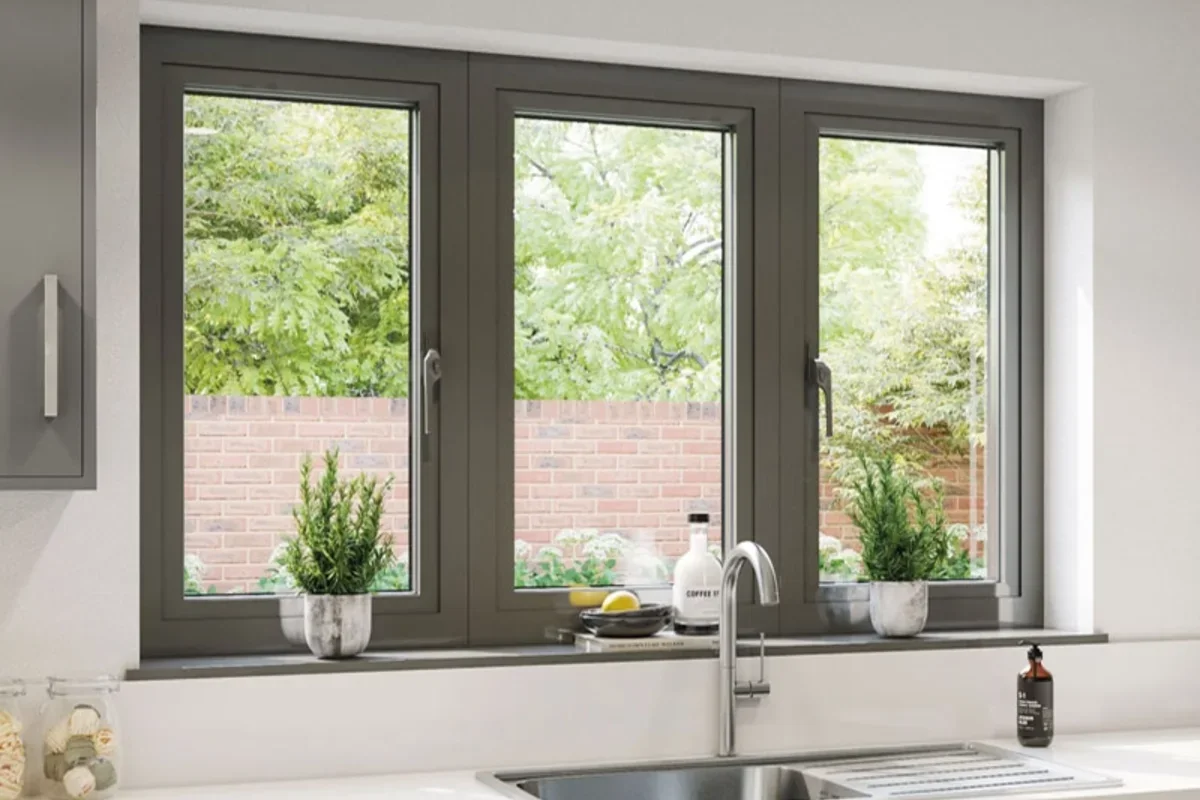
Glazing
Understand how standard double glazing is specified for comfort, security and day-to-day efficiency.
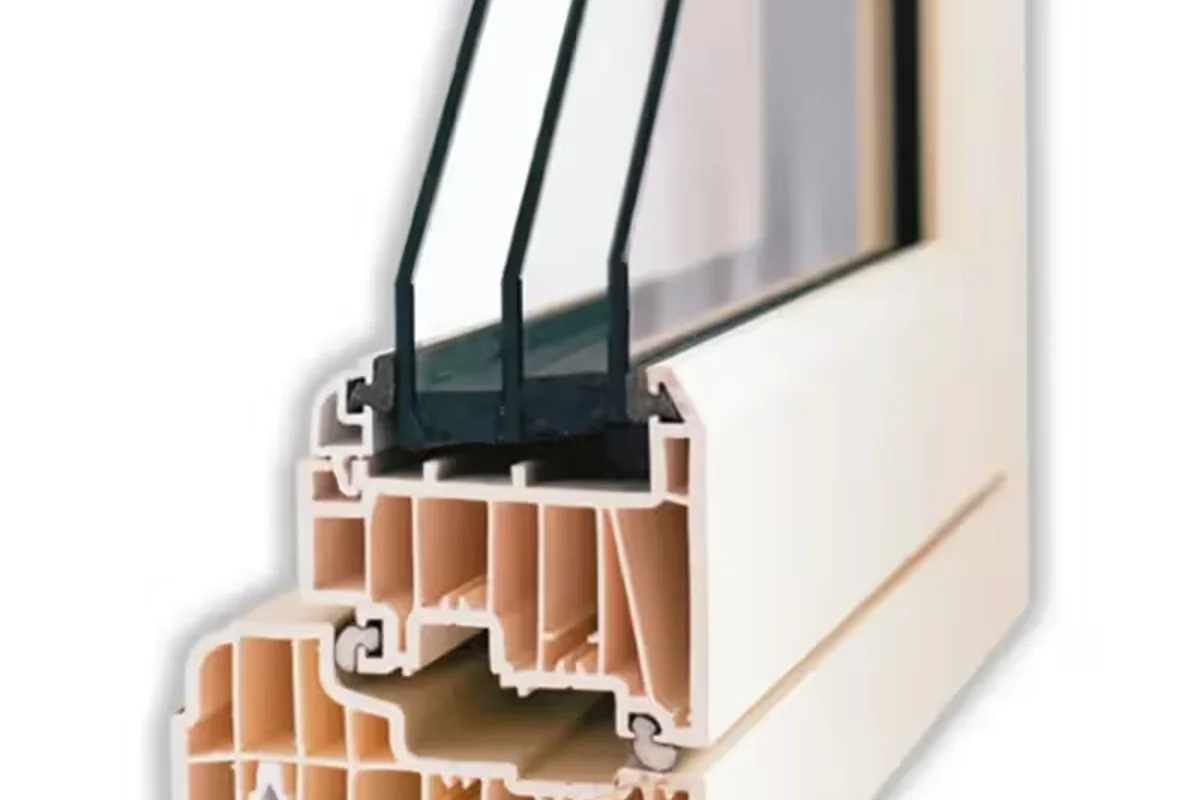
Glazing
Review where triple glazing can add value for exposed elevations, thermal performance and acoustic comfort.
Guidance
Check what to consider before ordering replacement windows for listed buildings and conservation locations.
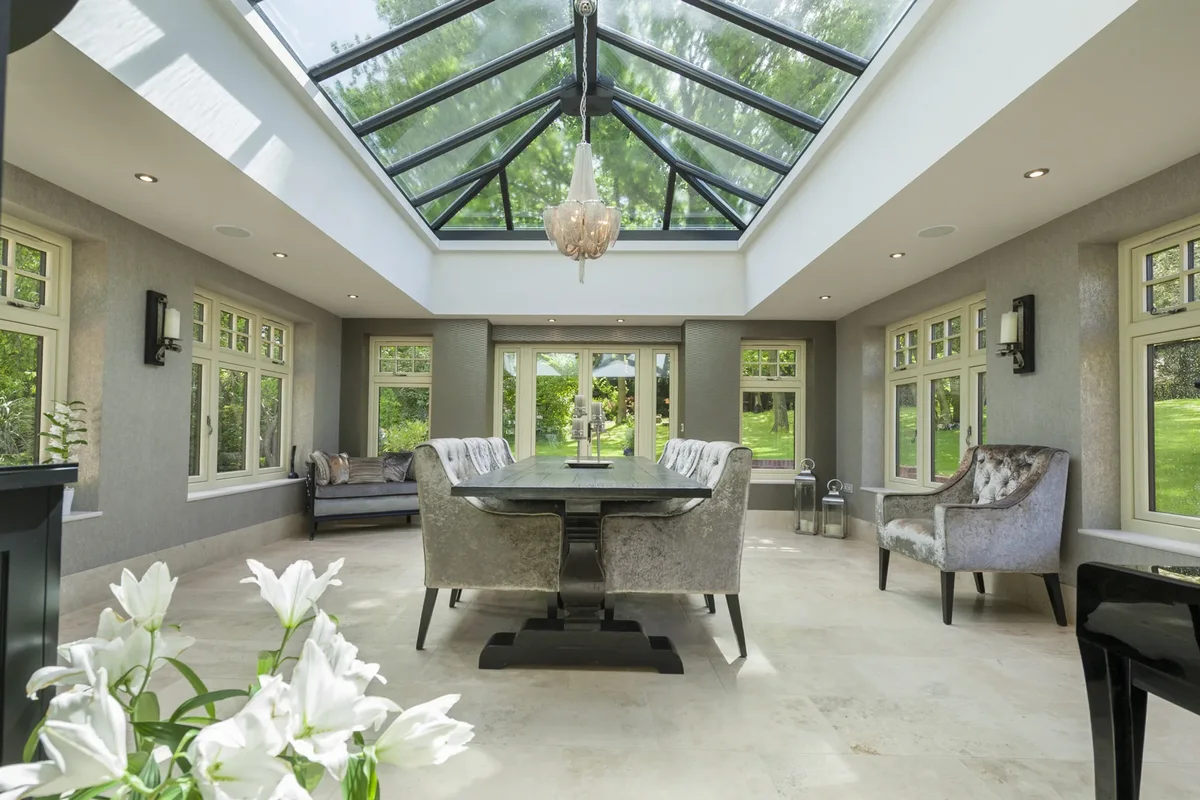
Next Step
Get measured recommendations, transparent pricing and a clear installation timeline with no obligation.