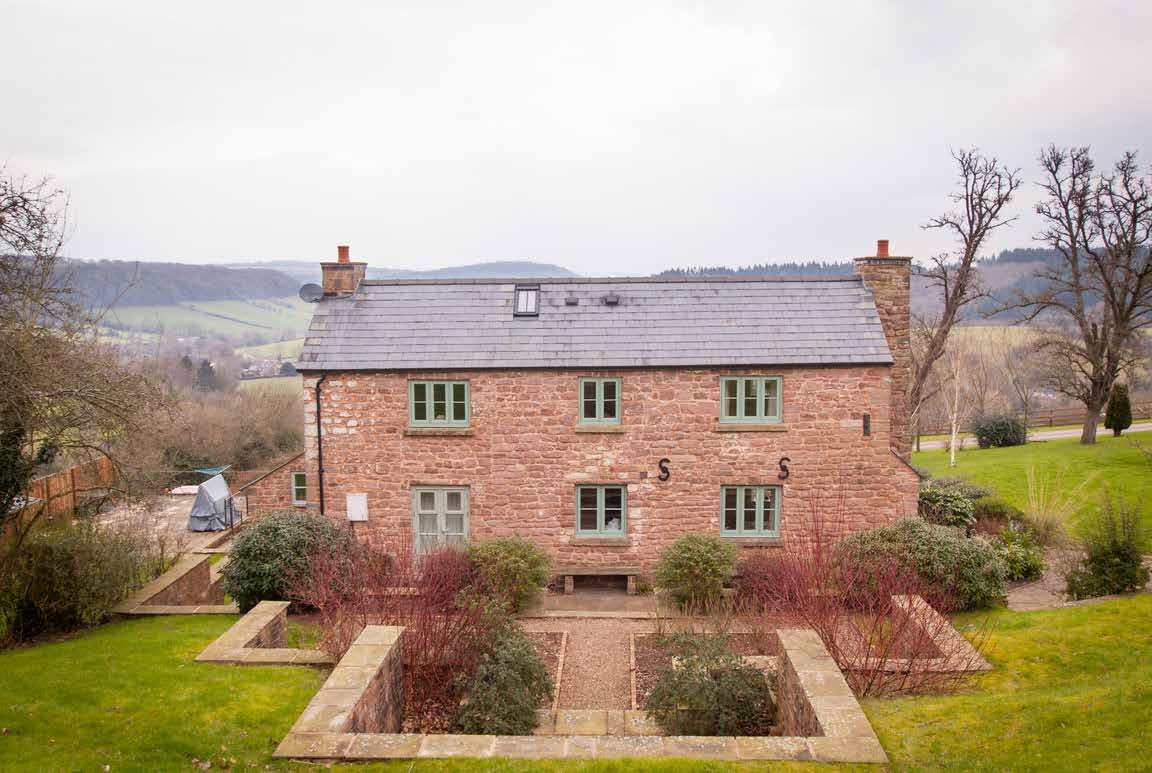
Major visual changes to the property
A planning application is more likely if proposed windows materially change the outward appearance, proportions or character of a visible elevation.
Homebrite Advice
Understand when window and door projects are usually permitted development, when extra consent may be needed, and how planning checks differ from Building Regulations.
Important: this page is general guidance only and not legal advice. Final requirements are set by your local planning authority and current Building Regulations.
Many replacement windows can proceed under permitted development, but some proposals need a full planning check. The scenarios below are common triggers worth confirming early.
A planning application is more likely if proposed windows materially change the outward appearance, proportions or character of a visible elevation.
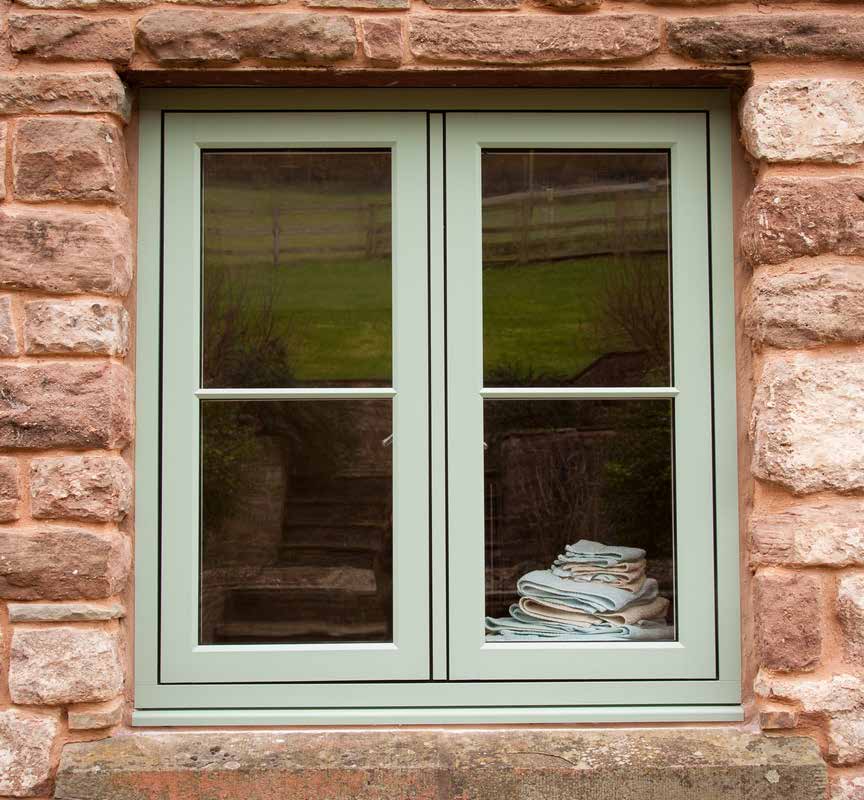
Article 4 directions can remove permitted development rights, so work that is normally straightforward may still require formal permission.
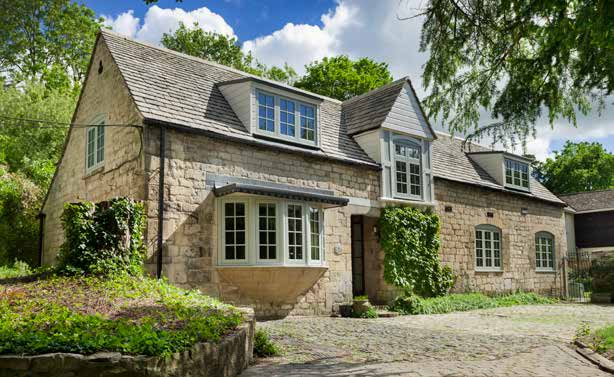
Some side or upper-floor window changes can trigger planning checks if obscured glazing, opening style or privacy conditions are not met.
Heritage-sensitive homes often require a more detailed path. In practice, local authorities can assess frame profiles, opening types, bar layouts and material choices before approving work.
These are separate checks and both can matter. Many homeowners first need clarity on which process covers design, and which covers technical compliance.
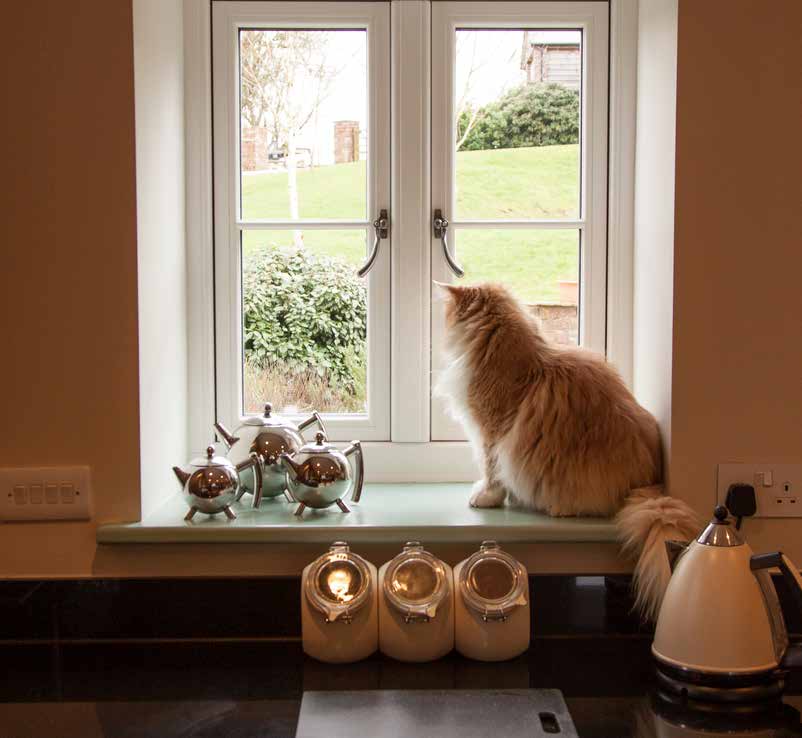
Usually focused on how proposed work affects the external appearance, setting and local character of your property.
Focused on technical and safety standards such as thermal performance, ventilation and safe installation practice.
A short pre-order checklist helps avoid delays, redesign fees and retrospective consent risk.
Common planning and compliance questions from homeowners preparing replacement-window projects.
No. Many straightforward replacements are covered by permitted development. However, listed buildings, conservation areas, Article 4 directions and material design changes can alter that position.
Planning permission typically deals with external appearance and local impact. Building Regulations deal with technical standards such as safety, insulation and performance. One does not automatically replace the other.
Heritage-focused profiles can help when they match local expectations, but approval decisions are made case by case by the local authority based on your specific property and proposal.
Listed properties generally require listed building consent before changes are made to windows or doors. Consent can cover both design and material choices, not only dimensions.
In most replacement-window scenarios, yes. Planning and Building Regulations are separate checks, and both should be considered before installation.
You may need retrospective action, but outcomes are not guaranteed. The safest route is to confirm requirements and secure approvals before any work begins.
Use these pages to compare products, performance and specification detail before your final survey.
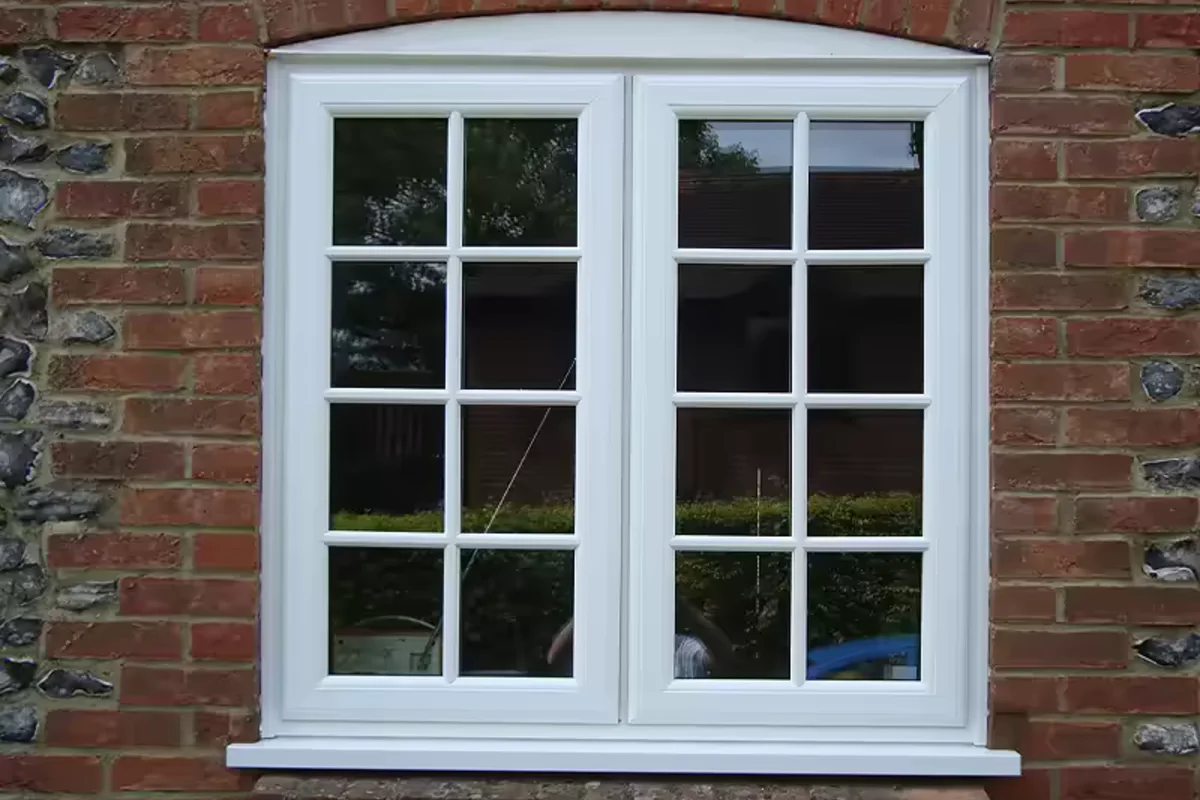
Buying Guide
Compare styles, materials and performance options before you finalise your specification.
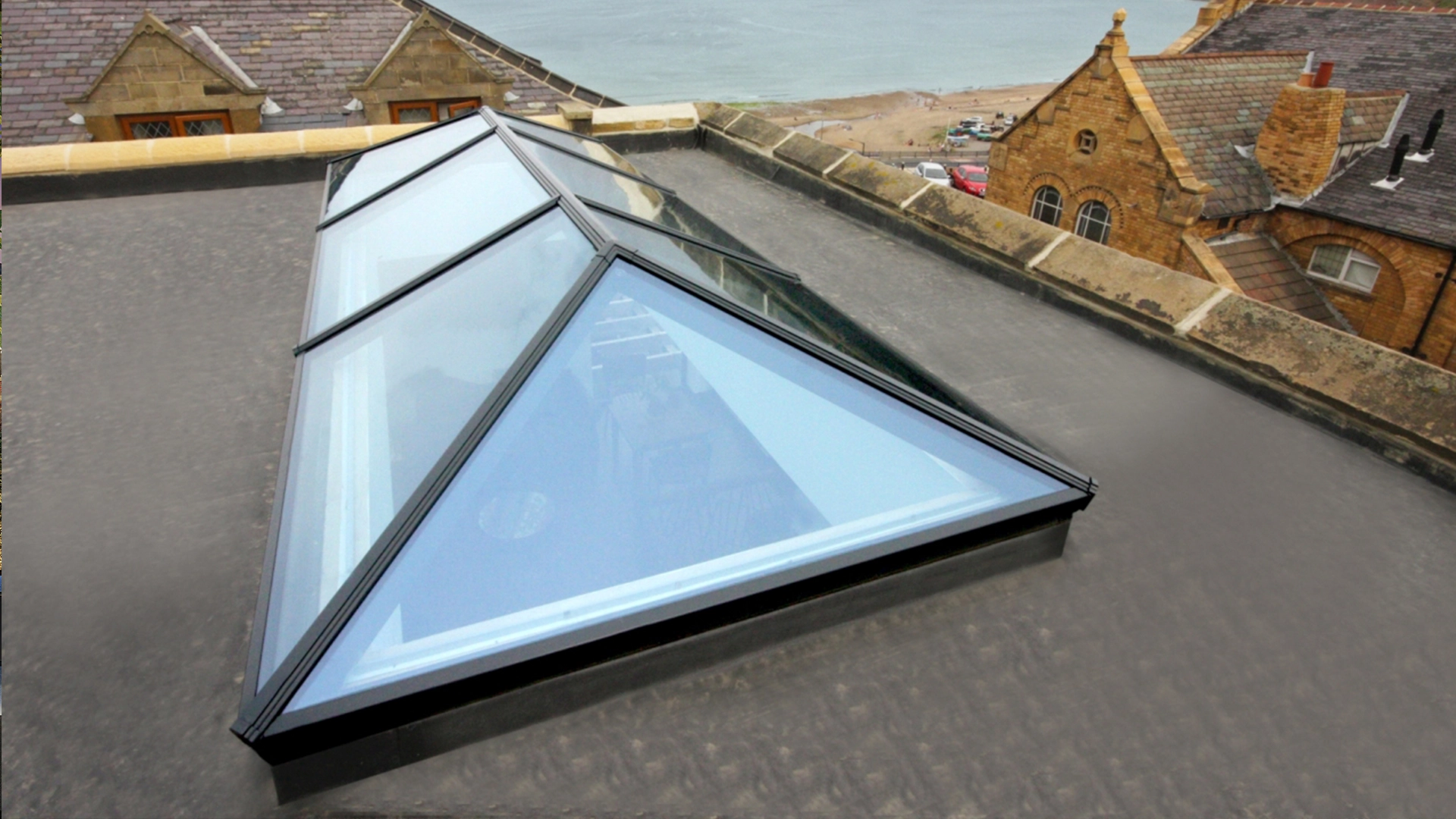
Performance
Understand key thermal metrics that support compliance and comfort targets.
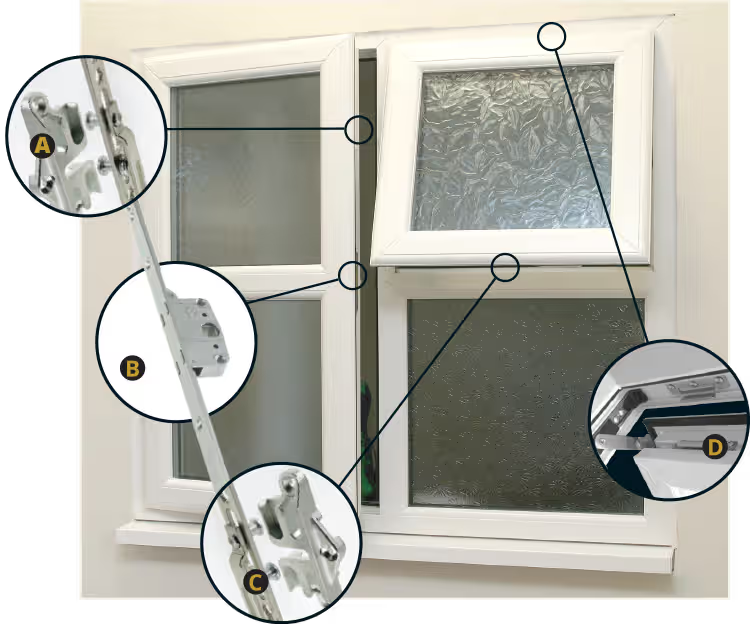
Security
Review locking and specification options including PAS 24-focused upgrades.

Get an instant quote and practical next-step guidance on planning checks, compliant specification and installation timelines.