
Acoustic Glass Reduces Vibration Transfer
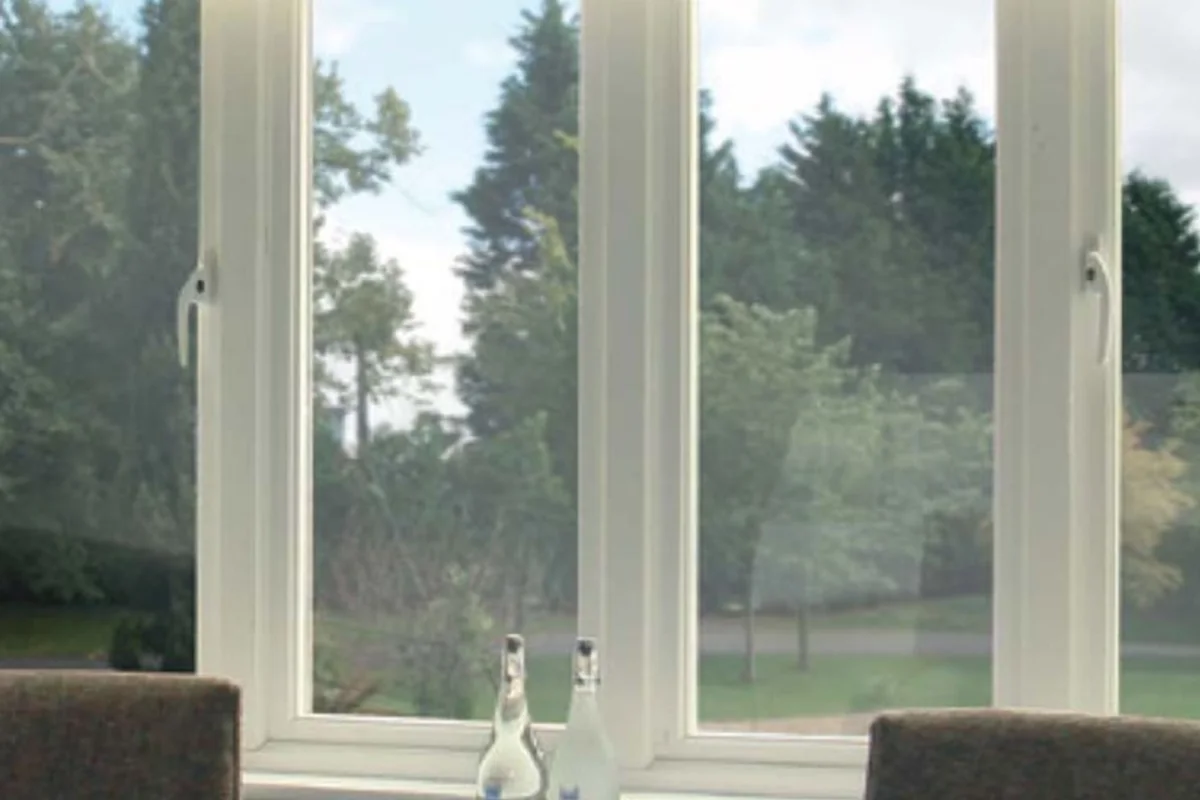
Noise travels as vibration. Multi-layer glazing reduces the direct vibration path, which helps lower outside noise entering day-to-day living spaces.
Homebrite Windows
If outside traffic, neighbour activity or flight-path noise is affecting day-to-day comfort, this guide explains how glazing choice, frame quality and installation detail work together to reduce disruption.
Noise reduction starts with understanding how sound moves through glazing. Older or poorly fitted windows let vibration transfer straight indoors. Well-specified units, including upgraded glass options and correctly sealed cavities, improve acoustic comfort without compromising thermal performance.
Noise travels as vibration. Multi-layer glazing reduces the direct vibration path, which helps lower outside noise entering day-to-day living spaces.

Laminated constructions use a bonded interlayer between glass panes. This can improve acoustic damping compared with standard pane combinations.

Sealed unit build quality matters. Warm-edge spacing and correctly specified cavities support both thermal stability and overall glazing effectiveness.

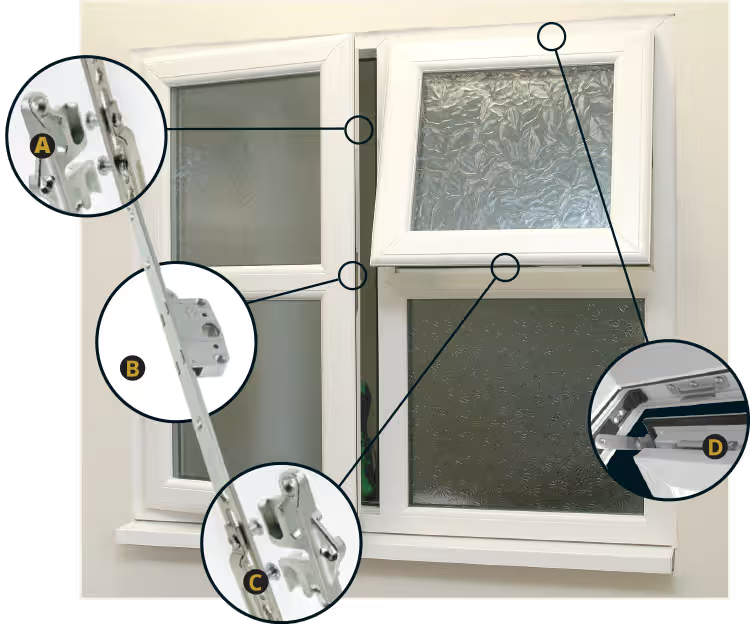
Glass alone does not do all the work. Acoustic outcomes depend on how the full window assembly is built and fitted. Gasket condition, warm-edge setup, frame rigidity and perimeter finishing all affect the final result.
Survey accuracy and installer detail have a direct effect on acoustic performance. Two homes with similar windows can perform differently if fitting quality differs.

Noise reduction outcomes vary by surroundings, room orientation and existing building fabric. A local survey gives the clearest picture, but these are practical expectation ranges used in everyday planning.

Homes facing regular traffic usually benefit from acoustic glass combinations and tighter perimeter sealing. Bedrooms and front lounges often see the clearest change first.
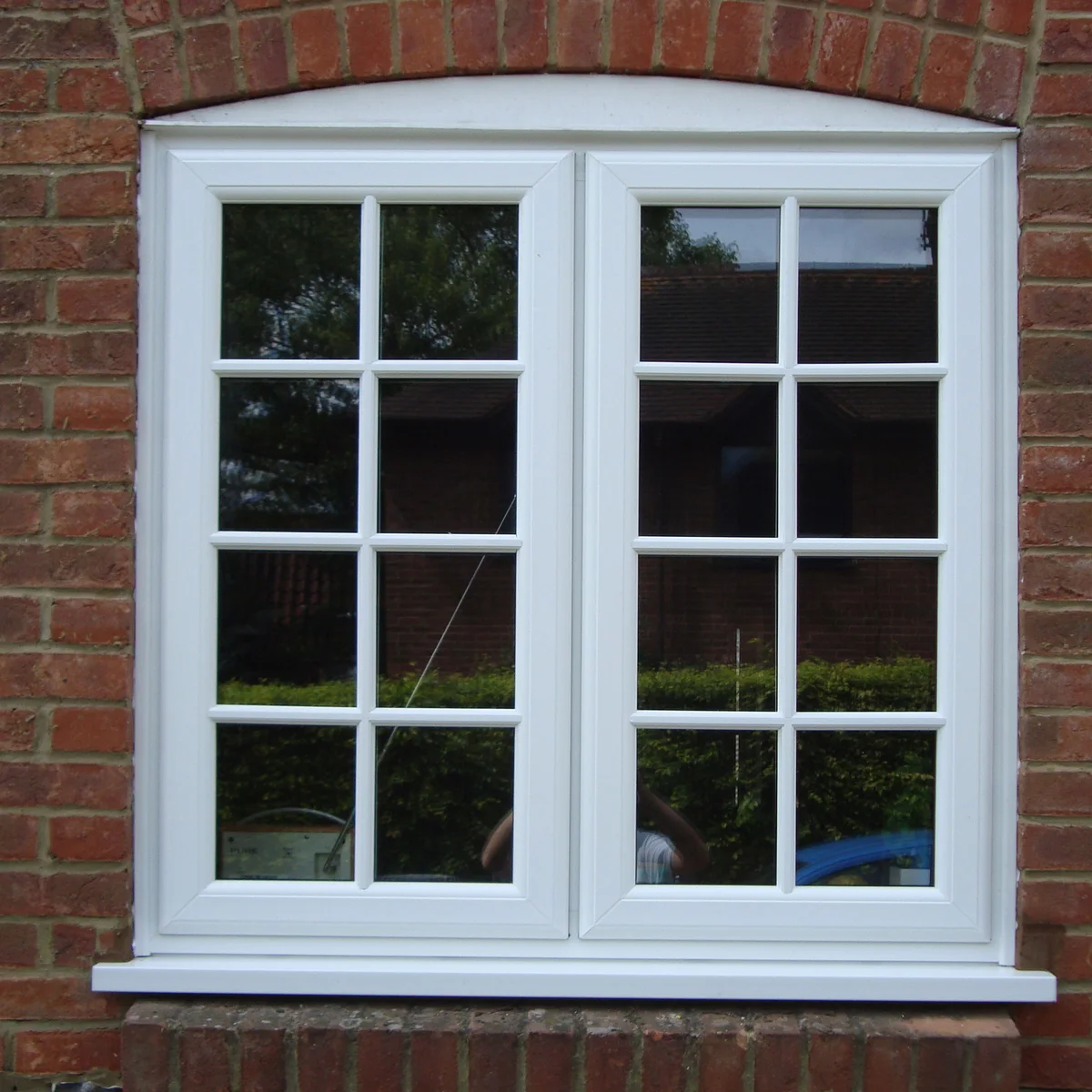
For everyday neighbourhood noise, a well-fitted double glazing specification is often effective. Triple glazing can be considered for rooms that still feel exposed.

In quieter areas, reductions may feel more subtle but still useful in windy weather and during seasonal activity. Survey-led detailing helps avoid weak points.
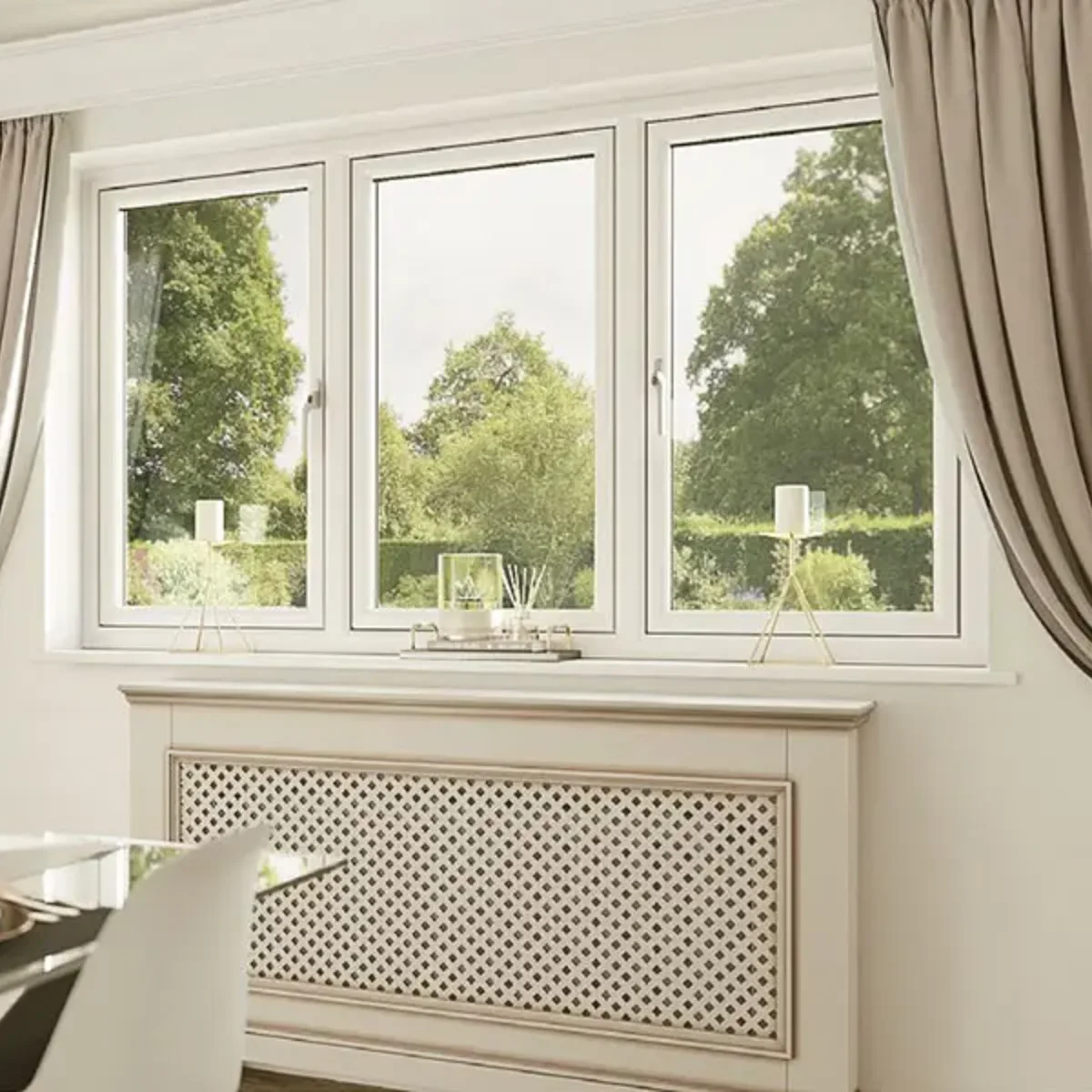
Where wind and weather pressure are stronger, frame rigidity and seal condition become critical. Installation accuracy is as important as glass specification.
Answers to common questions we hear during home surveys in Sittingbourne, Sheppey, Faversham and across Kent.
No glazing system makes a typical home fully soundproof. The goal is meaningful reduction. Correct specification can lower disruption significantly, but background sound will still exist in most locations.
Not always. Glass make-up, pane thickness variation, cavity design, frame build and installation quality all influence results. In some rooms, a strong double glazing build performs very well.
Yes. Even good glazing can underperform if frame interfaces and perimeter seals are weak. Tight fitting, healthy gaskets and properly finished installation joints all support acoustic performance.
Usually not. Street-facing elevations, room size, wall construction and ventilation pathways can all change perceived outcomes. This is why room-by-room survey notes are important.
Homebrite can specify combinations that balance these goals together. Options such as laminated glass, warm-edge units and security-focused hardware can be coordinated around your priorities.
In some cases, yes, but replacement is often the most reliable route where both thermal and acoustic upgrades are needed. Your survey will clarify the practical and cost-effective approach.
We assess your current windows, identify likely noise pathways, then recommend practical specification options with clear pricing. No pressure, just a measured route to better day-to-day comfort.
Continue comparing glazing and performance options before your survey.
Glazing
See practical double glazing options and where they are usually enough for everyday noise control.
Performance
Compare triple glazing where stronger acoustic and thermal control may add measurable value.
Specification
Review thermal performance metrics that sit alongside acoustic priorities during specification.
Security
Understand PAS 24 and security-focused window details when comfort and safety are both priorities.