

© 2025 - Homebrite Ltd, registered as a limited company in England and Wales under company number: 15201926. Registered Company Address: Ground Floor, Nautica House, Waters Meeting Road, Bolton, England, BL1 8SW
Monday - Friday: 8:30am – 5:00pm
How to Keep a Conservatory Cool
Learn how to keep a conservatory cool and usable through every heatwave with practical glazing, roofing and ventilation upgrades trusted by Kent homeowners.
Key Summary
- Sunlight drives the heat. Vast areas of glazing invite the greenhouse effect, especially when roofs and frames lack insulation.
- Orientation matters. South facing spaces soak up more UV, while north facing builds stay cooler and easterly aspects capture the gentler morning sun.
- Roof choices are critical. Polycarbonate, tiled or treated Comfort glass roofs reduce solar gain and improve U-values down to 1.2W/m2K.
- Ventilation keeps air moving. Roof vents, trickle vents and portable cooling units expel trapped heat before it builds.
- Shading stops glare. Light coloured blinds and professional cooling films reflect harsh rays and protect soft furnishings.
- Homebrite can help. Our Kent team surveys, specifies and installs the right glazing, roofing and shading to keep your conservatory balanced.
Want to learn how to keep a conservatory cool in Summer? A conservatory makes a great addition to any home and can create an ideal space for relaxation, work, entertaining guests, growing plants, or simply extending your living space. A common complaint, however, is that the room becomes too hot in the summer, to the point where spending time inside feels sweltering and uncomfortable. If that happens, it can feel as though you have wasted money because you no longer want to enjoy the space.
Thankfully, there are also factors you can consider when planning a conservatory to prevent it from becoming too hot in the summer and too cold in winter. Below are some hot conservatory solutions that you may want to try this summer.
Why do conservatories get so hot?
Conservatories are designed to let you enjoy the garden and outdoor space from inside the house. Large windows and sunlight-friendly roofs maximise natural light, but the same design also lets sunlight pass through the glazing. When sunlight streams through on a large scale, it quickly increases the interior temperature until it becomes stifling.
During the summer months, our Kent climate can get surprisingly warm, especially during clear days when the sun beats down with little cloud cover. Many conservatories use standard float glass and exposed metal frames that allow a lot of heat to penetrate. Metal framing conducts temperature easily, so the structure itself can heat up and radiate warmth back into the room.
Poor ventilation is another culprit. If hot air cannot flow freely out of the room, you are left with a stuffy, uncomfortable environment. The size and shape of the roof, the amount of glazing, the location of the conservatory and the overall airflow all determine how quickly the temperature will climb.
Overheating in glass roof conservatories
Glass roof conservatories can feel like a sun trap, yet you do not have to endure a hot, stuffy room in the warmer months. With the right treated glass that tackles UV rays and reduces the amount of light entering, it is possible to maintain a more comfortable temperature. Polycarbonate roofing is another option; plastic sheets with air gaps and reflective insulation help divert the sun’s rays. A tiled roof conservatory can noticeably reduce heat levels and keep the conservatory cooler while still allowing light through the surrounding glass walls.
Advanced glazing, such as Homebrite Comfort glass, improves insulation and blocks 99% of damaging UV rays while still allowing natural light to enter. When combined with our double-glazing or triple-glazing windows, conservatories can achieve U-values as low as 1.2W/m2K, slowing down heat gain on hot days and retaining warmth when the temperature drops.
Solutions for keeping your conservatory cooler
If your conservatory is getting too hot in warm weather, consider the following practical steps to regain control of the temperature.
1. Consider the location of your conservatory
If you are still planning the build, consider how the position will affect heat. North-facing conservatories stay cooler because they receive less direct sunlight, while east-facing rooms catch gentle morning sun without the intense afternoon glare. If you must build in a south-facing position, incorporate shading from walls, trees or new planting to filter the hottest part of the day.
2. Choose the right type of roof
The more glass you use for the roof, the hotter the room is likely to become. Polycarbonate roofs make temperature regulation easier, especially when combined with reflective layers. If you prefer a glass roof, ensure it is treated with reflective, shaded properties that reduce UV transmission. A tiled roof stabilises the internal environment and stops glare without sacrificing the airy feel provided by the side glazing. Retrofitting translucent panels or reflective film onto an older roof can also stop sunlight from making the room too hot.
3. Install air vents and air conditioning
Adding roof vents, trickle vents or discreet air bricks in older conservatories lets fresh air circulate and expels built-up heat. Portable air conditioning units are compact and affordable, slotting neatly into corners when needed. Many models include heating functions so that the same appliance can boost warmth during the winter.
4. Put up blinds
Blinds provide instant relief from the hot sun and add a soft finishing touch to the room. Please keep them in light colours so they reflect light effectively, and prioritise covering the roof and upper window areas where harsh sunlight is strongest. Properly fitted blinds protect furnishings and stop the air from heating up as rapidly.
5. Apply cooling film to the glass
A cooling film is a sticky layer you can apply directly to glazing to reflect UV rays. It is especially helpful in older conservatories with standard glass. Cooling film reduces the internal temperature and prevents cushions and sofas from bleaching in the sun. Material is widely available and affordable, with a 50mm roll costing around £12, but because the application is a precise job, it is best handled by a professional.
Combine these approaches with simple habits such as opening interior doors to encourage airflow, scheduling ventilation during cooler periods and keeping soft furnishings away from radiators or vents. Small tweaks regularly make a noticeable difference.
FAQs
- Question. Why does my conservatory feel like a greenhouse?
Answer: Large areas of glazing invite the greenhouse effect, especially when roofs and frames lack reflective treatments, so sunlight turns into trapped heat. - Question: Can the orientation of my conservatory reduce heat?
Answer: Yes. North-facing rooms stay cooler, and east-facing builds catch gentler morning sun, while south-facing builds may need planting or shading to tame afternoon temperatures. - Question: Is polycarbonate roofing better than glass for cooling?
Answer: Polycarbonate panels contain air gaps and reflective layers that divert the sun’s rays, making temperature regulation easier than untreated glass. - How effective are vents and portable air conditioners?
Answer: Roof vents, trickle vents, and compact air conditioning units release trapped hot air and keep fresh air moving, so the room feels cooler and less stuffy. - Do blinds really make a difference?
Answer: Light coloured blinds reflect heat before it reaches the seating area, protect furnishings and are especially effective when fitted across the roof and upper windows. - Is cooling film worth installing?
Answer: Cooling film reflects UV rays, lowers interior temperatures and prevents bleaching. Because the application is precise, hiring a professional installer gives the best result. - What glazing upgrades keep temperatures balanced?
Answer: Homebrite Comfort glass blocks 99% of UV while maintaining natural light, and when paired with double or triple-glazing it delivers U-values down to 1.2W/m2K.
More Home Improvement Guides

28/11/2025
Blog
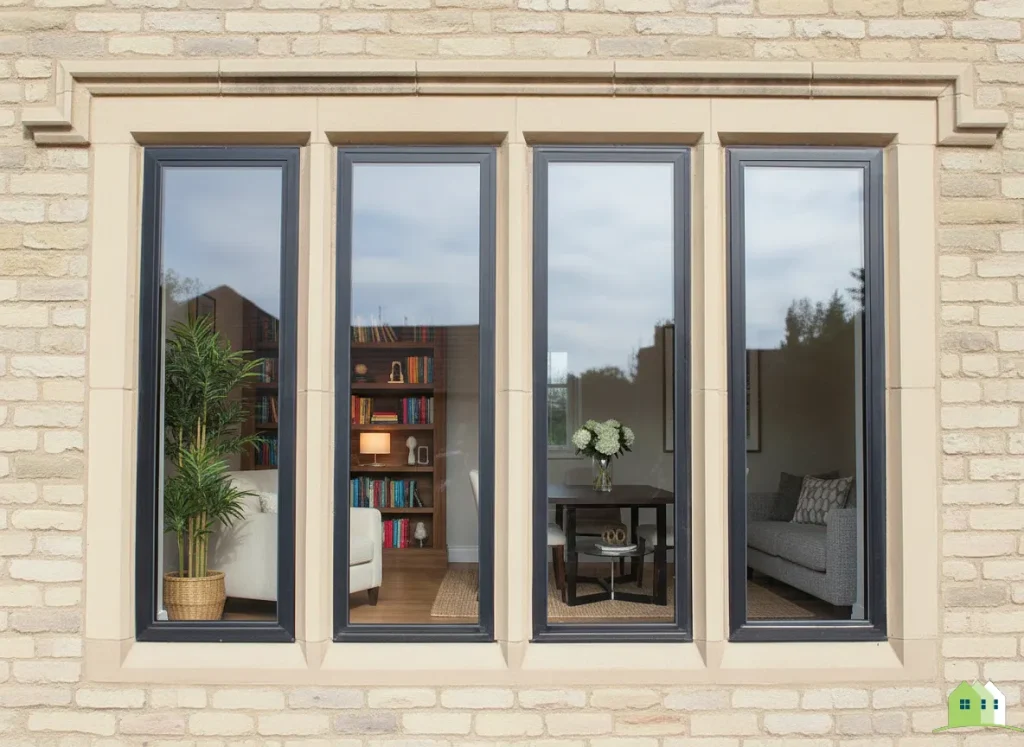
3 Ways Double Glazing Reduce Noise
23/05/2025
Blog
How to Keep a Conservatory Cool in Summer
Need help cooling your conservatory?
Homebrite has spent over 40 years helping Kent homeowners enjoy conservatories that feel comfortable all year. Our surveyors assess glazing, roofing, shading and ventilation before recommending the best upgrades.
Book a free survey and we will tailor a plan that keeps your space bright yet balanced. Finance is introduced through FCA regulated partners such as Improveasy Ltd (FRN 708623) and is offered subject to application and status.
© 2025. Homebrite Ltd | All rights reserved.

Manage Consent
We and our partners use cookies and similar technologies to store and/or access information on your device and process personal data for ads personalisation and non-personalised advertising, measurement and analytics. Cookies/ad identifiers may be used for personalised and non-personalised advertising. Manage choices anytime. See how Google uses your data.
Functional Always active
The technical storage or access is strictly necessary for the legitimate purpose of enabling the use of a specific service explicitly requested by the subscriber or user, or for the sole purpose of carrying out the transmission of a communication over an electronic communications network.
Preferences
The technical storage or access is necessary for the legitimate purpose of storing preferences that are not requested by the subscriber or user.
Statistics
The technical storage or access that is used exclusively for statistical purposes.
The technical storage or access that is used exclusively for anonymous statistical purposes. Without a subpoena, voluntary compliance on the part of your Internet Service Provider, or additional records from a third party, information stored or retrieved for this purpose alone cannot usually be used to identify you.
Marketing
The technical storage or access is required to create user profiles to send advertising, or to track the user on a website or across several websites for similar marketing purposes.