How Many Windows and What Size
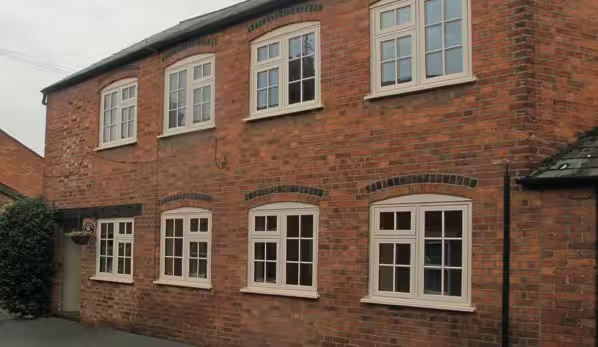
Window count, opening sizes, bay projections and any unusual shapes are the biggest starting point for project cost.
Window Cost Guide
New window costs vary from home to home. This guide explains the practical factors that shape your final quote, so you can plan with clarity before booking a survey.
There is no one-size-fits-all figure for replacement windows because every property has different sizes, styles and installation conditions. The most accurate way to budget is to review your project against the core drivers below and then confirm exact measurements with a home survey.
If you are comparing quotes, make sure each includes frame specification, glazing level, security options, installation scope, and finishing works so you are assessing like-for-like value.
These are the practical factors we review during a survey and technical measure-up before final pricing.
Window count, opening sizes, bay projections and any unusual shapes are the biggest starting point for project cost.
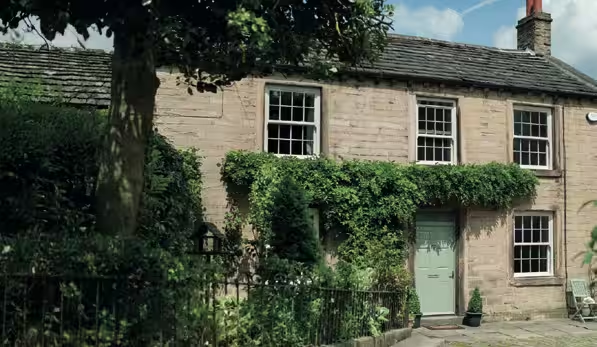
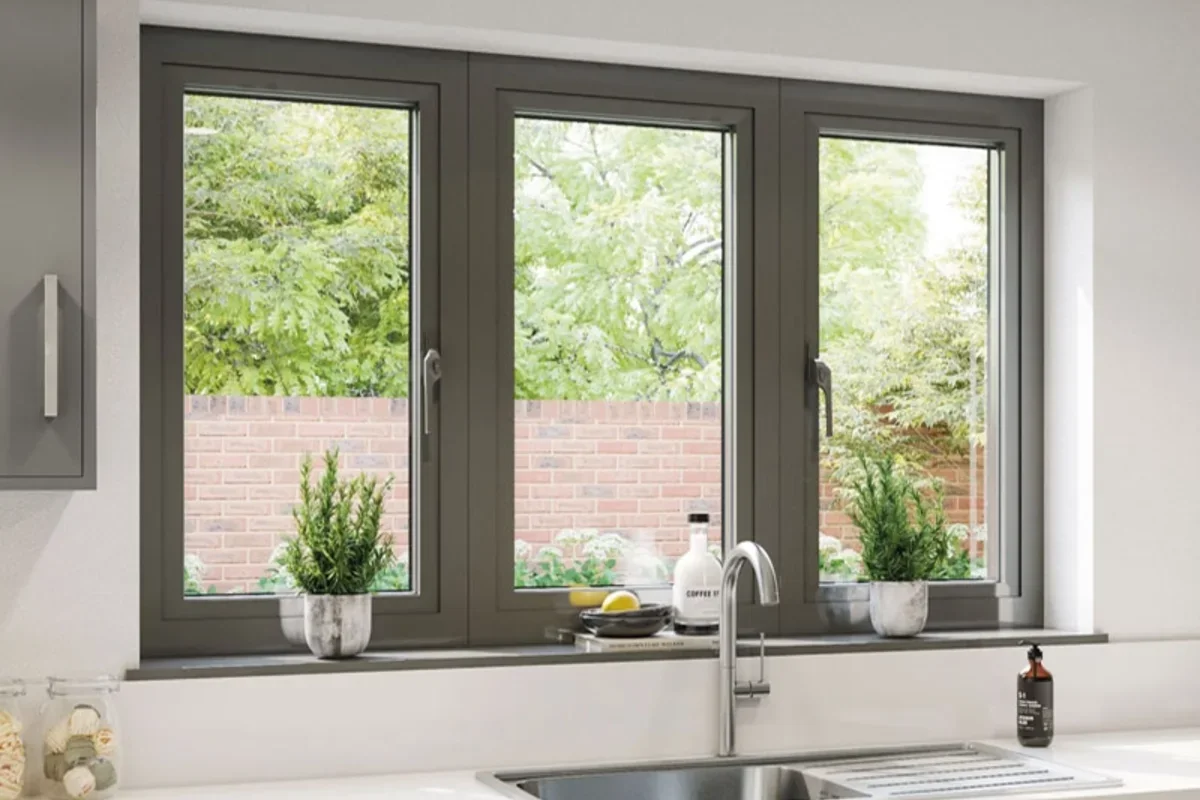
Standard casement layouts are usually simpler to manufacture than specialist flush, sliding sash or bay arrangements.
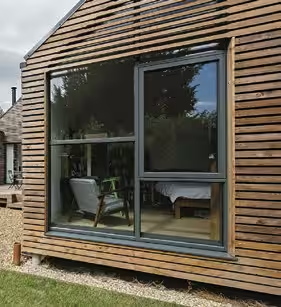
uPVC, aluminium, timber and aluminium-clad timber all carry different production, finishing and maintenance profiles.
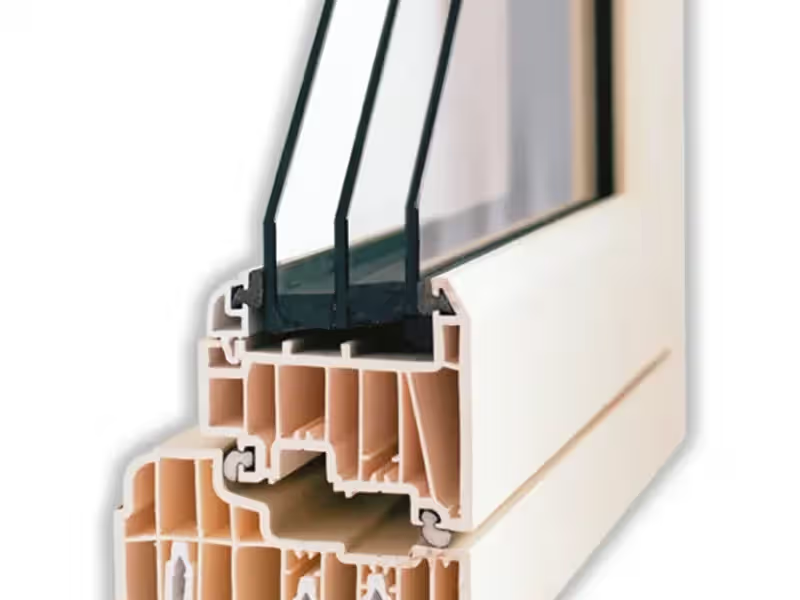
Double or triple glazing, glass thickness, acoustic layers, and specialist coatings can all change final pricing.
PAS 24 aligned upgrades, laminated glass, and premium handles or stays can increase specification cost.
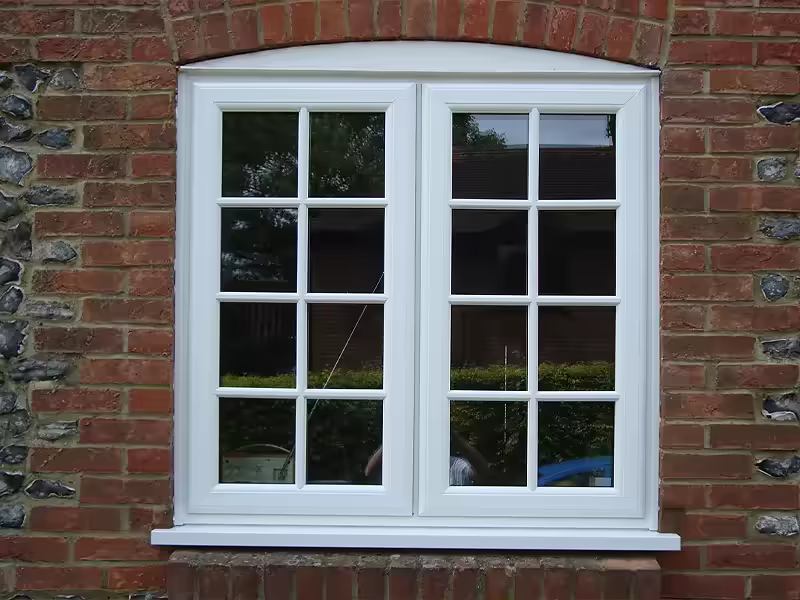
Access limitations, scaffolding needs, making-good, and disposal of old frames can influence the installed total.
Material and design selection usually have the strongest impact after window size and quantity. Compare options below, then review all routes in the Windows Hub.
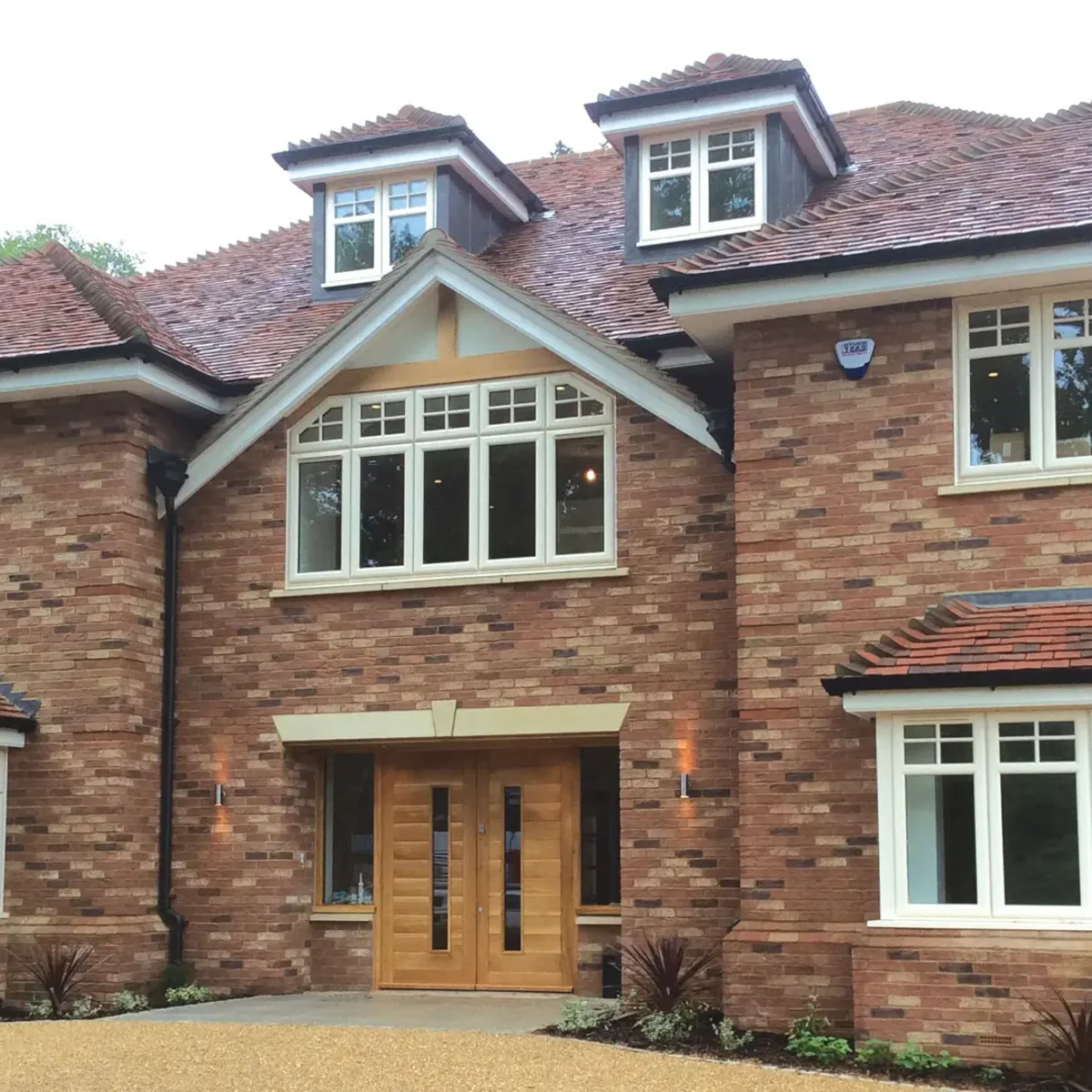
Often a practical starting point for many homes.
Strong insulation, broad style range and low-maintenance ownership.
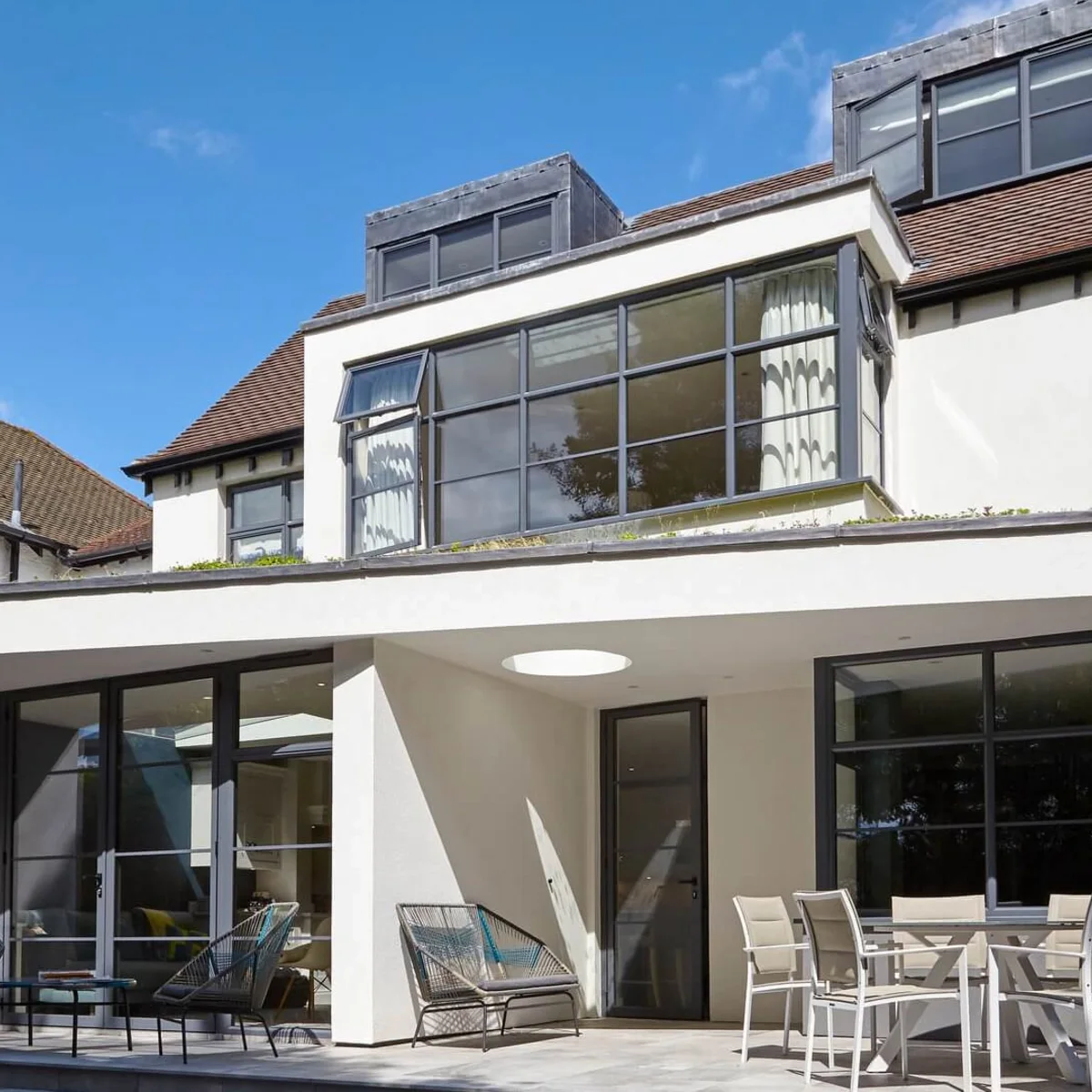
Commonly specified when slim sightlines are a priority.
Durable frames with modern aesthetics and excellent structural strength.
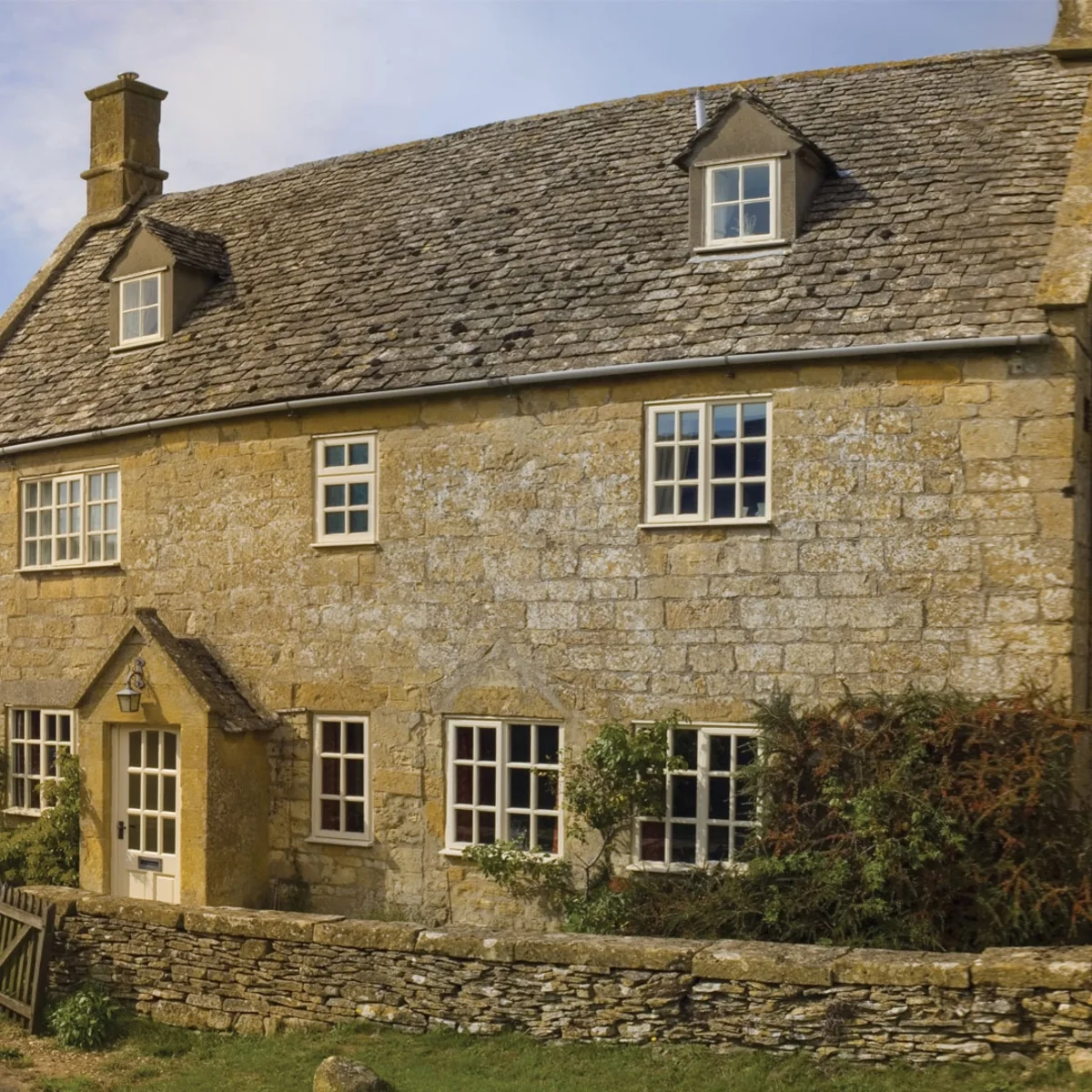
Typically chosen for natural character and traditional detailing.
Warm appearance with excellent performance when correctly specified and maintained.
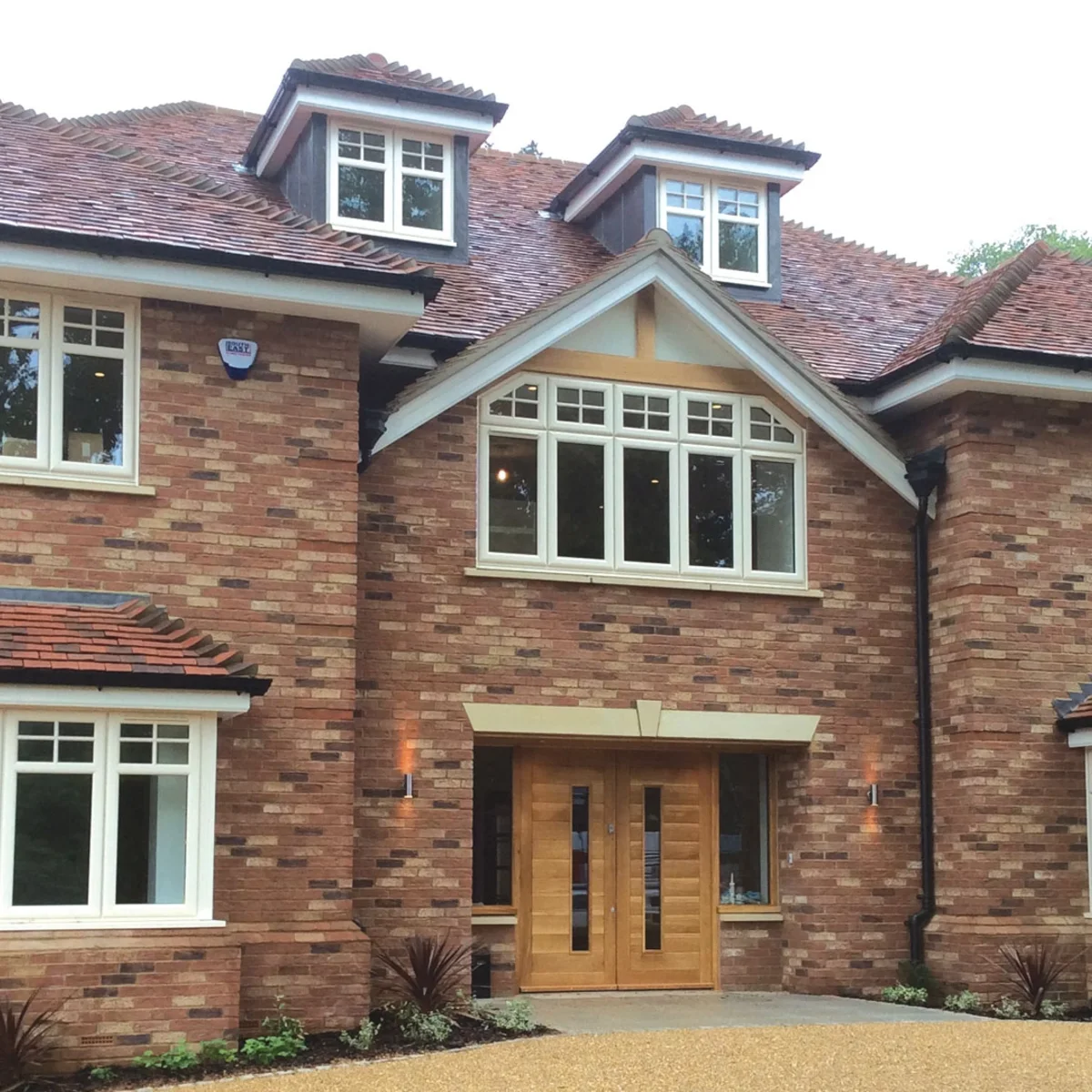
Balances heritage appearance with simpler upkeep.
Flush systems and timber-effect finishes can suit both classic and modern homes.
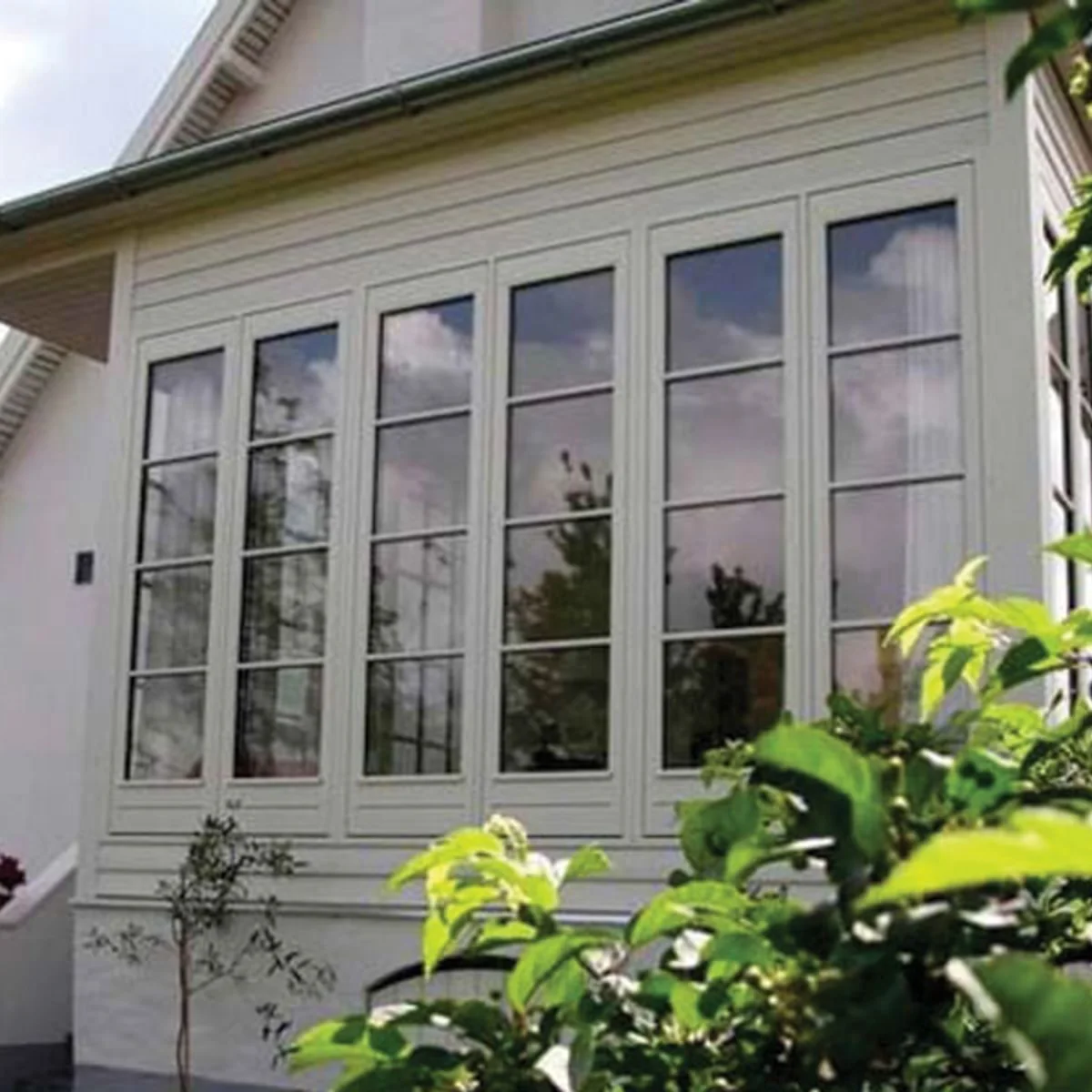
Often selected for premium design and long-term durability.
Timber warmth inside with aluminium weather protection outside.
Performance upgrades can be worthwhile, but they should be chosen against your property location and day-to-day priorities. For deeper detail, visit Energy Ratings & U-Values and Window Security.
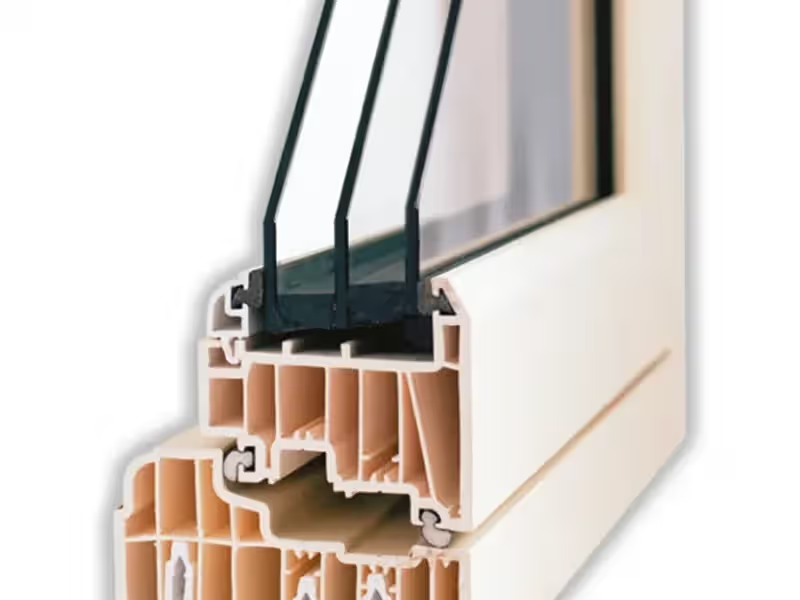
Double glazing is the standard route for many homes. Triple glazing can be worth considering where heat retention or external noise control is a priority.
Lower U-values and stronger energy ratings usually require upgraded units, better spacers, and tighter overall specification.

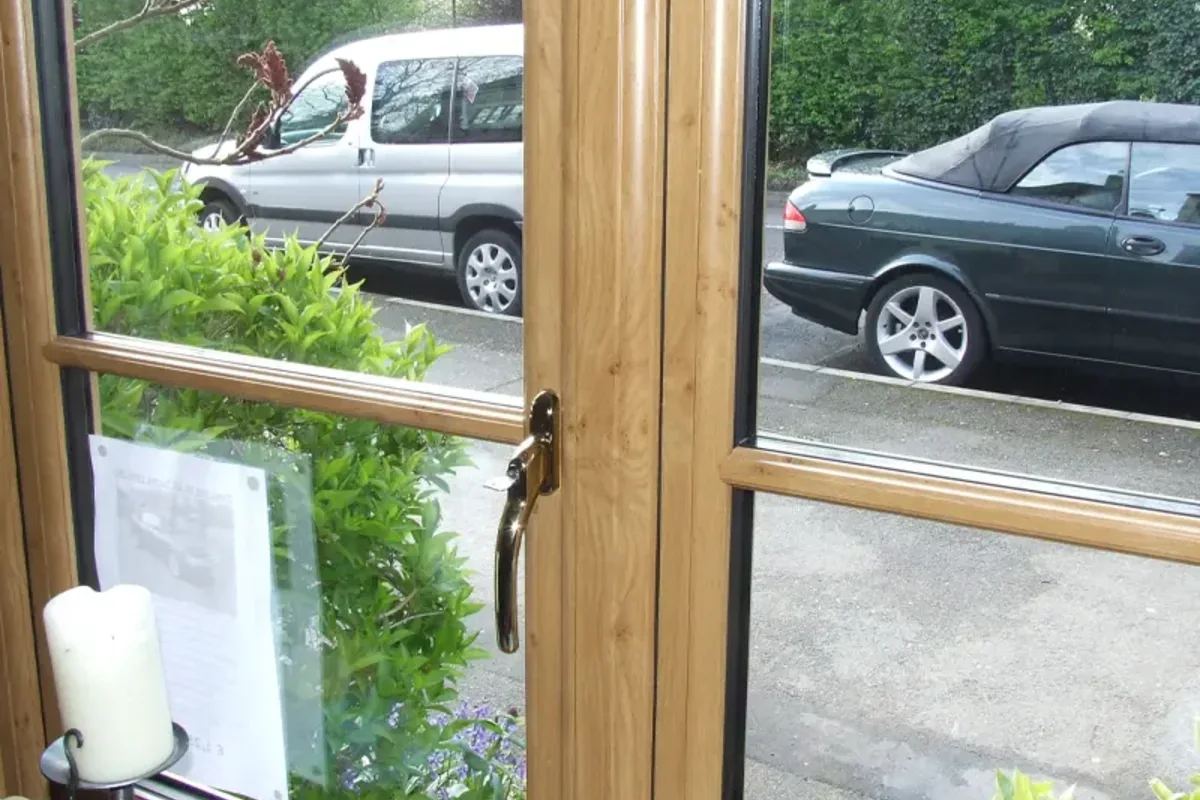
Multipoint locking, laminated glass options and PAS 24 aligned routes can raise specification levels and project cost.

Handle finishes, stays, restrictors and smart sensor compatibility all influence your final configuration.
The survey stage is where technical details are confirmed. This avoids surprises and helps you compare true installed value.
Upper-floor access, conservatory roofs, and tight boundaries can increase labour time or temporary access requirements.
If old frames, brick reveals or internal finishes need corrective work, this should be allowed for in the final scope.
A full-house replacement and a staged room-by-room plan have different programme and cashflow implications.
Silicone finishing, trim details, and post-install checks are part of a quality install and should be clearly included.
Need planning context first? Read our planning permission guide.
Many homeowners prefer to stage payments rather than pay everything upfront. We can explain available finance routes once your specification and scope are agreed.

Start with specification advice, then review payment routes that fit your timeline and budget.
Straight answers to common cost and specification questions.
A firm price needs accurate measurements, style choices and installation checks. We can share guidance first, then confirm a tailored quote after survey.
uPVC is often the most cost-effective route, but final pricing still depends on style, glazing, hardware and installation complexity. Some aluminium and timber-effect setups can be close depending on specification.
It depends on your property and priorities. Homes in exposed or noisy locations often see stronger comfort benefits, while many projects still achieve excellent results with well-specified double glazing.
In many cases, yes. If frames remain structurally sound, replacing sealed units can be a practical interim option. A survey confirms whether this route is appropriate.
Most replacements are straightforward, but listed buildings, conservation areas or material changes can need extra checks. We can flag likely requirements during survey. See /planning-permission/ for guidance.
Timescales depend on order complexity and property access. Smaller projects can often be completed quickly, while larger or staged installations take longer. You will receive a clear programme before work starts.
Tell us what you are replacing and we will guide you through the most suitable window options, likely cost drivers, and next steps for a clear, itemised quote.
Continue your planning with deeper guides on glazing, performance and security.
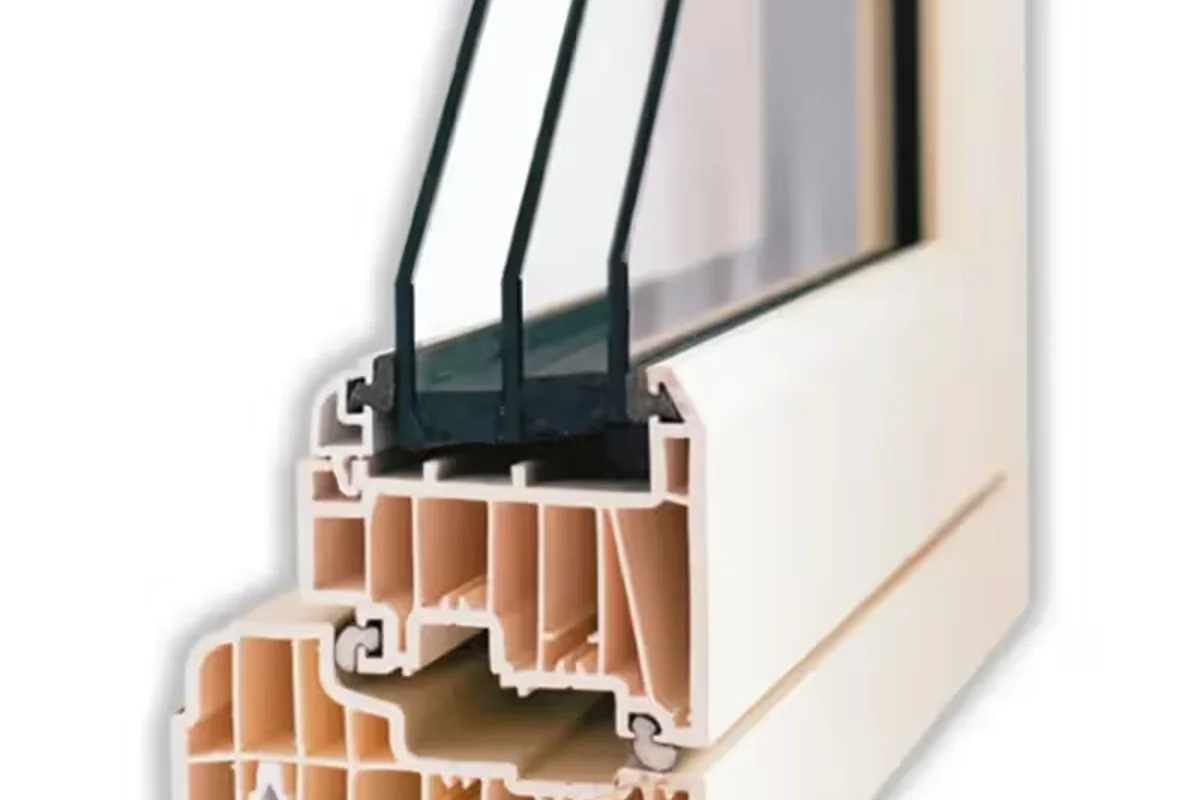
Glazing
Understand where each glazing route fits best before finalising your specification.
Performance
See how thermal data is used when choosing efficient new windows.
Security
Review locking, reinforced hardware and practical upgrade options.