What a U-Value Means
A U-value measures how much heat passes through a complete window. Lower values generally indicate better thermal performance.
Homebrite Windows
Understand what window U-values and energy ratings actually mean, how frame and glazing choices affect performance, and which standards matter before you choose your next installation.
U-value is the rate of heat transfer through a complete window. In simple terms: the lower the value, the less heat tends to escape.
U-value is only one part of the story. Good window performance also depends on air leakage control, solar gain, frame quality and installation standards.
Homebrite surveys focus on whole-window performance, not isolated glazing claims. That gives you realistic expectations for comfort, condensation control and long-term running costs.
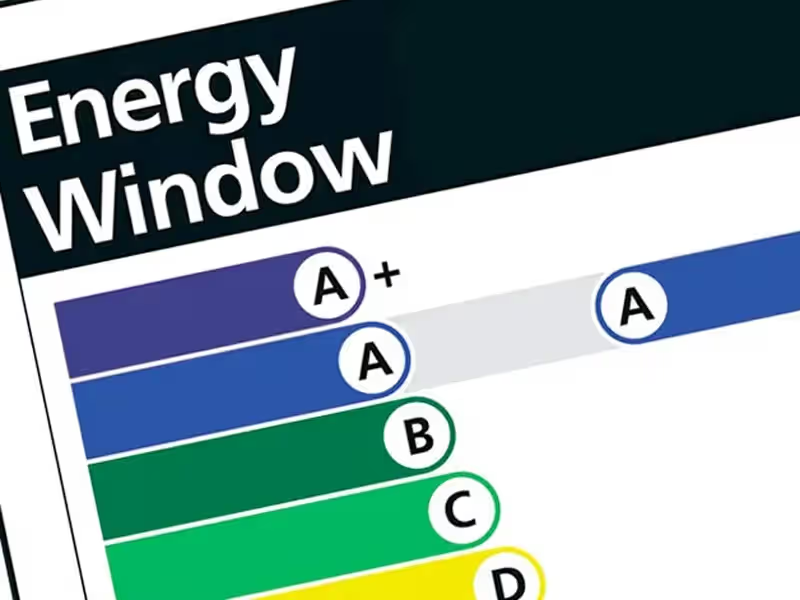
CWG specification guidance references energy ratings calculated from U-value, air leakage and solar gain. That multi-factor approach helps compare practical performance more reliably than a single headline number.
A U-value measures how much heat passes through a complete window. Lower values generally indicate better thermal performance.
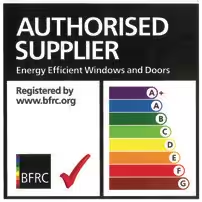
Window energy ratings are assessed using U-value, air leakage and solar gain together, giving a fuller performance picture than one number alone.
CWG specifications include A-rated options as standard where applicable, with upgrade paths available for selected systems and glazing configurations.
Energy outcomes vary by complete build, not just glass type. The right frame system and glazing package should be selected together so comfort, aesthetics and cost stay balanced.
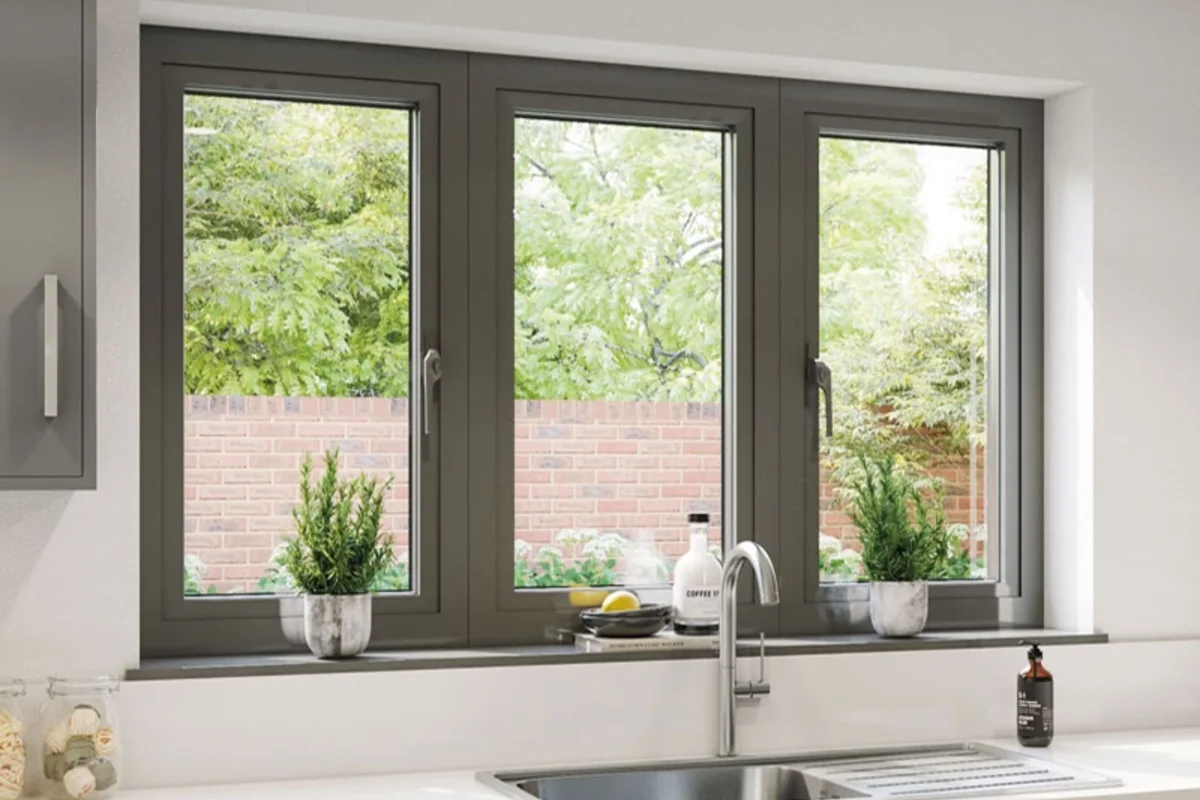
uPVC multi-chamber frames, thermally broken aluminium and engineered timber can all perform well when specified correctly for the opening.
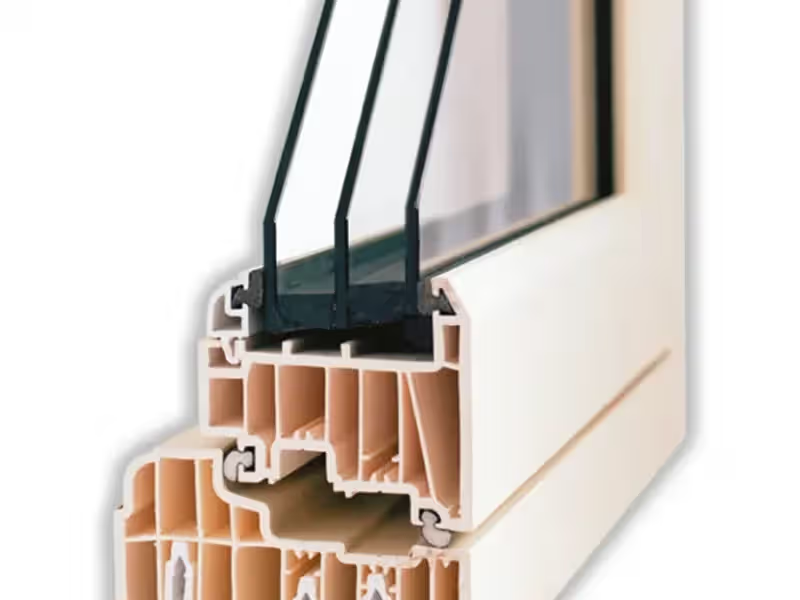
Spacer type, gas fill, pane count and coating choice all influence heat retention, surface temperature, and overall comfort near the window.
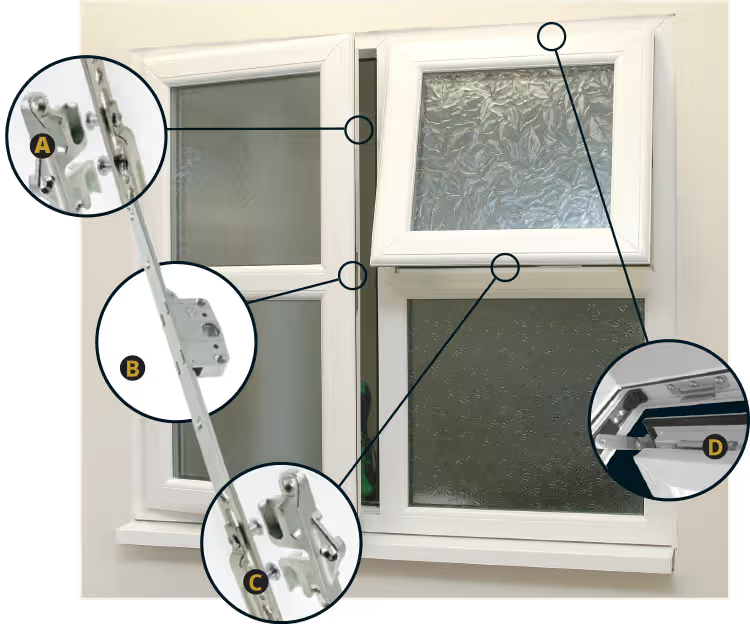
The best result comes from the complete system: frame, glass, edge seal, hardware and installation quality working together.
 Compliance Planning
Specification choices can combine thermal targets with security standards during survey stage, helping you avoid compromises later in the project.
Homebrite installations are planned around practical compliance requirements as well as comfort goals. That includes thermal performance, certification and suitable security specification where needed.
Replacement windows must meet current thermal standards. Your final compliance position depends on your selected system and measured opening.
FENSA-registered installation provides evidence that replacement windows are installed to relevant building regulation requirements.
Where needed, specifications can include PAS 24-aligned upgrades and Secured by Design pathways alongside thermal targets.
Homebrite confirms practical U-values, energy ratings and upgrade combinations during survey so your quote matches real site conditions.
Straight answers to the most common questions we hear during home surveys.
For heat loss, yes. Lower U-values usually mean better insulation. In practice, you should review U-value alongside air leakage, solar gain and your room orientation.
A U-value is one thermal metric. A window energy rating combines U-value with other factors such as air leakage and solar gain, so it can better reflect real-world performance.
Not always. Many homes see strong gains from a well-specified double-glazed system with the right frame and low-E glass. Triple glazing can be beneficial for exposed rooms or higher performance targets.
Better insulated glazing can improve internal glass surface temperatures, which helps lower condensation risk. Ventilation and humidity control are still important factors.
They can. Acoustic performance depends on pane composition, cavity depth, seal quality and the full frame installation, not just double versus triple glazing.
A home survey is the most reliable route. Homebrite can assess your current windows, orientation, noise exposure and budget to recommend the most practical specification.
Get an instant Homebrite quote to compare suitable frame and glazing specifications for your property, with clear U-value and energy-rating guidance before you commit.
Glazing
See where modern double glazing already delivers strong thermal and acoustic performance.
Upgrade
Understand when triple glazing provides meaningful additional value for your property.
Windows Hub
Explore styles and materials before finalising your energy performance priorities.