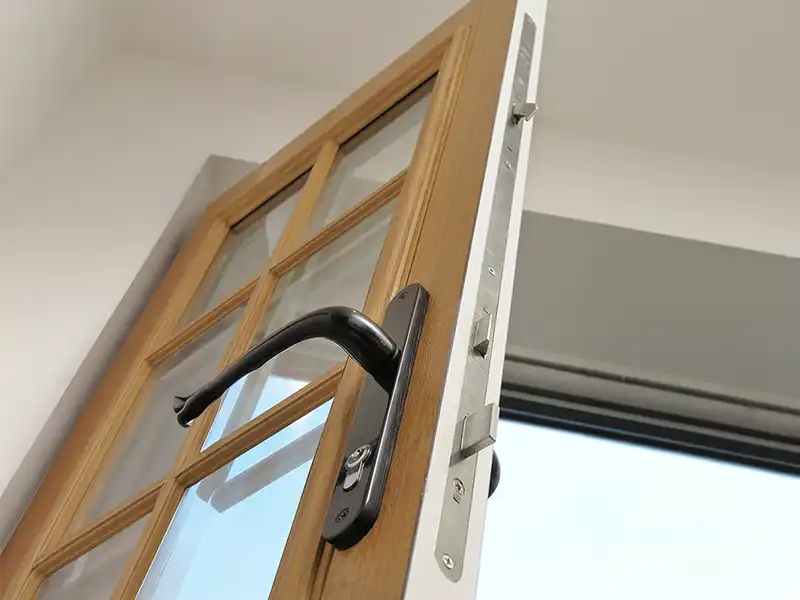
Fresh Air with Better Everyday Control
Stable doors let you open the top section independently for ventilation while keeping the lower section shut, which is ideal for family kitchens and utility rooms.
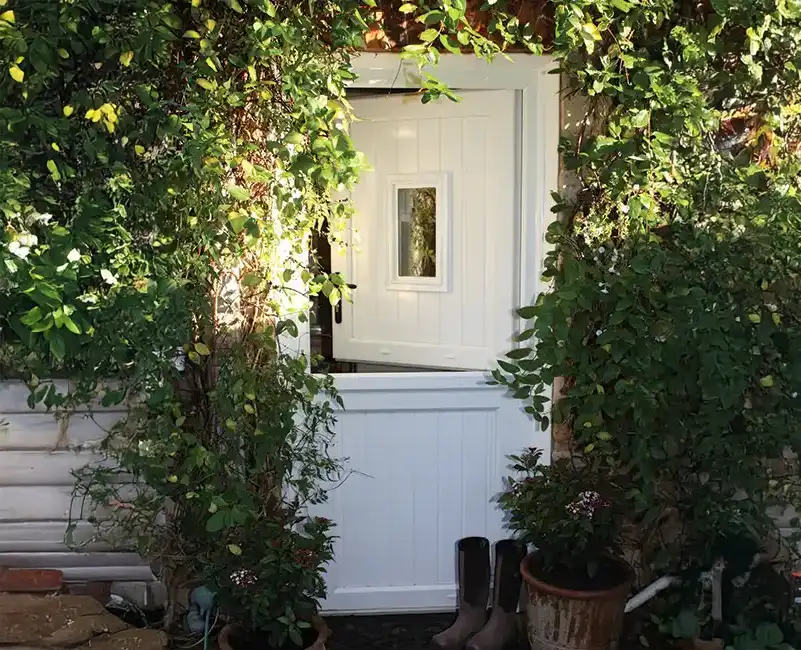
Homebrite Doors
Choose a made-to-measure stable door designed around safer airflow, dependable locking performance and a style that suits your home.
Stable doors are popular because they combine practical airflow control with secure day-to-day access, making them especially useful in kitchens, utility rooms and family entrances.
Stable doors let you open the top section independently for ventilation while keeping the lower section shut, which is ideal for family kitchens and utility rooms.
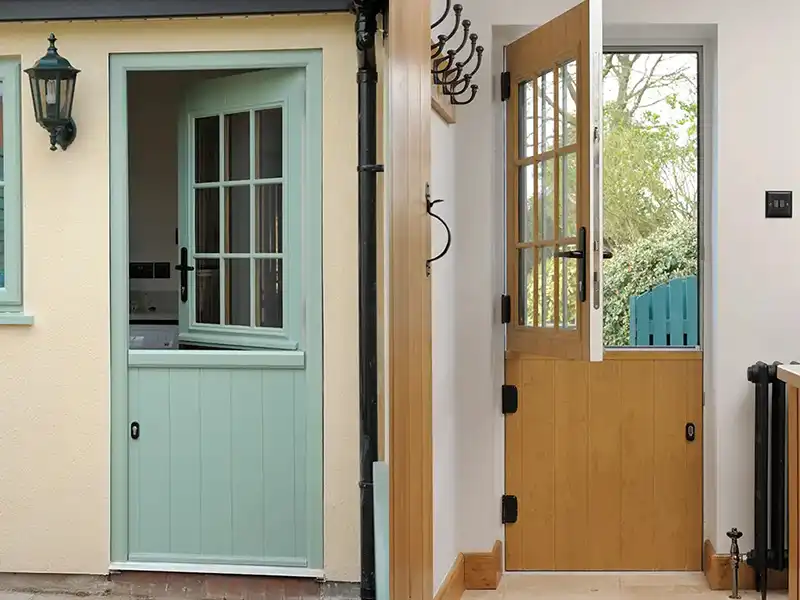
The split-sash format makes it easier to manage airflow without creating a full opening, giving more day-to-day control in busy households.
Stable doors suit cottage-style and period-inspired homes while still supporting modern glazing, weather seals and low-maintenance finishes.
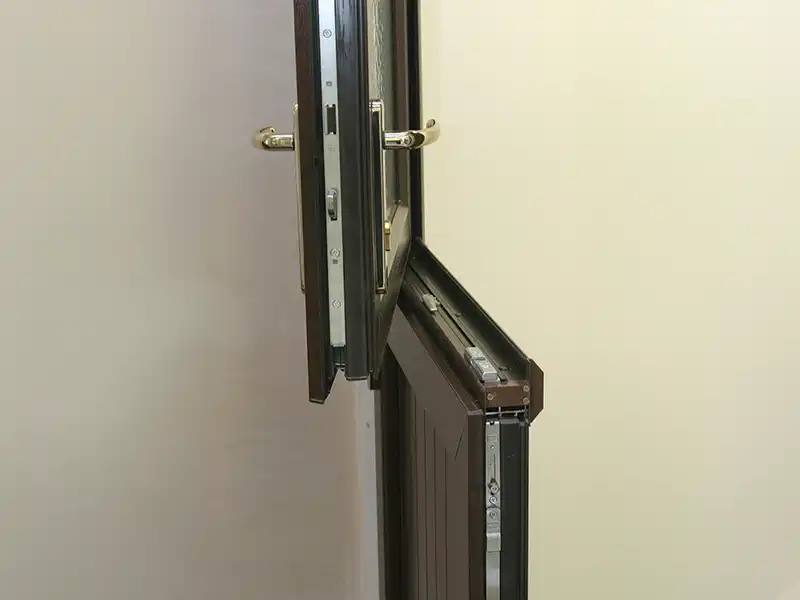
Modern stable-door pathways use robust hinges, multi-point locking and reinforced frame details to keep both comfort and security standards high.
We help you compare stable-door pathways based on maintenance expectations, lock specification, finish options and long-term thermal priorities.
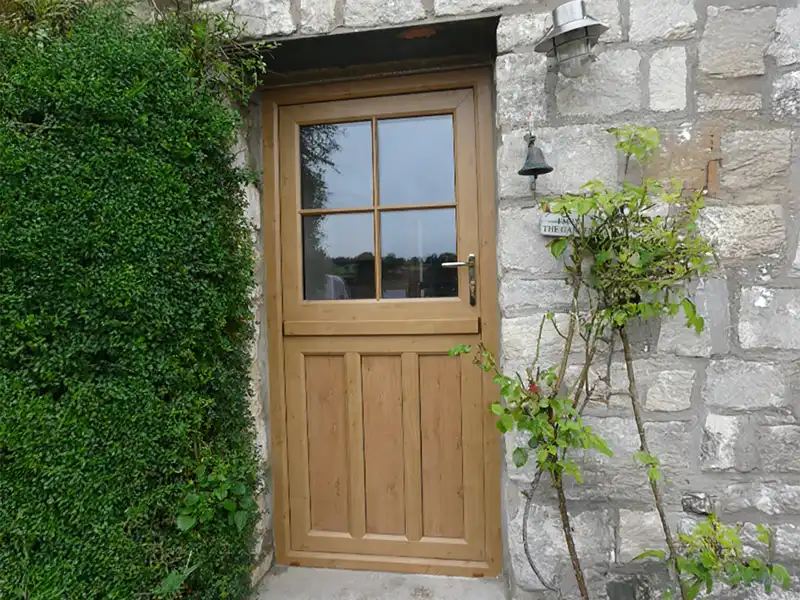
A practical low-maintenance route with good insulation performance and broad colour, woodgrain and glass options.
Explore this option Composite stable-door systems combine a robust slab build with upgraded lock options and strong weather resistance.
Explore this option Period-inspired stable-door aesthetics can be specified with modern frames and hardware to balance character and performance.
Explore this option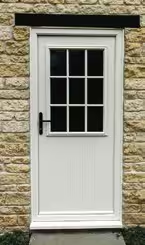
Stable doors are available in neutral, bold and woodgrain finishes, with decorative and privacy glass options to suit each elevation.
Explore this optionStable-door recommendations are built around practical outcomes: better comfort, secure split-sash operation and reliable weather performance through the year.
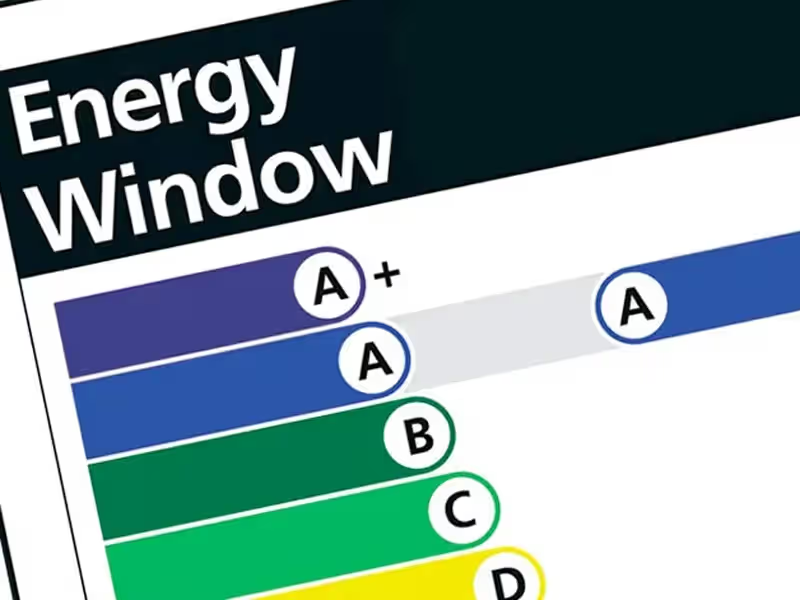
Current stable-door pathways can be specified around 1.4 W/m2K with suitable glazing build-ups, with lower outcomes possible on selected upgrades.
Learn more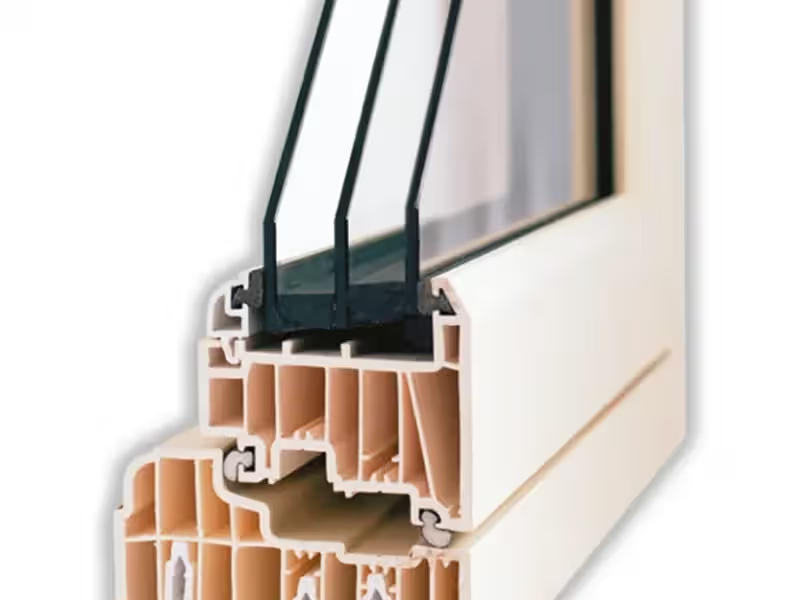
Selected stable-door routes support different glazing thicknesses, so your final build can be matched to comfort and exposure priorities.
Learn more Low-threshold and mobility-focused options can be reviewed alongside split-sash ventilation needs to balance access and weather resistance.
Learn moreFinal project performance is confirmed at survey and technical sign-off stage once exact opening, system and glazing options are agreed.
A stable door should perform as well as it looks. We help you align colour, glazing and hardware details so the final result suits both your routine and your property style.
From classic white and soft heritage shades to deeper woodgrain tones, stable-door finishes can be matched to both windows and masonry.
View options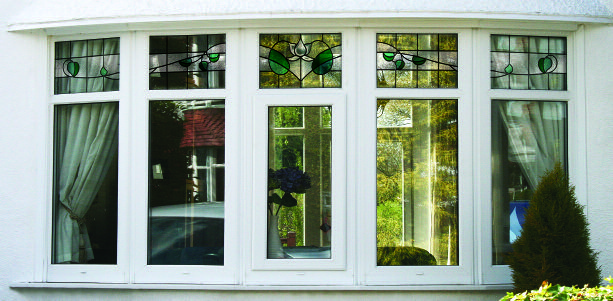
Upper-sash glazing can be configured for daylight, privacy and character, with options suited to street-facing and garden-facing elevations.
View options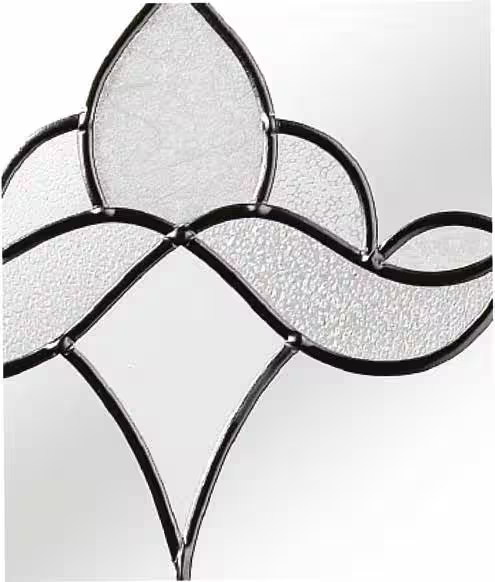
Hardware selection completes both style and operation, from lever sets and letterplates to finish coordination with nearby windows and doors.
View optionsStable-door security starts with practical baseline protection, then scales to enhanced compliance pathways where your brief requires tested upgrades.
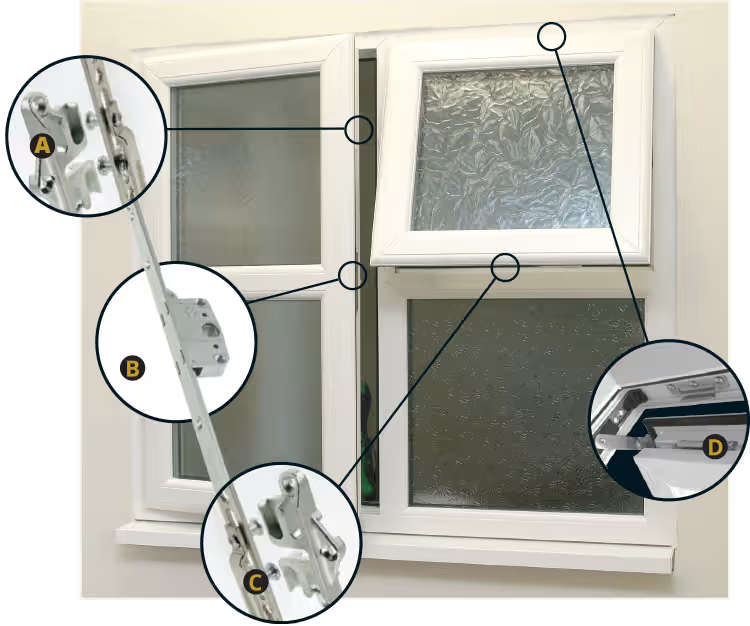
Stable doors are configured with locking and hinge hardware designed for split-sash operation while maintaining strong resistance at key attack points.

Where your project requires higher compliance targets, we can scope tested hardware and glazing combinations at survey stage.
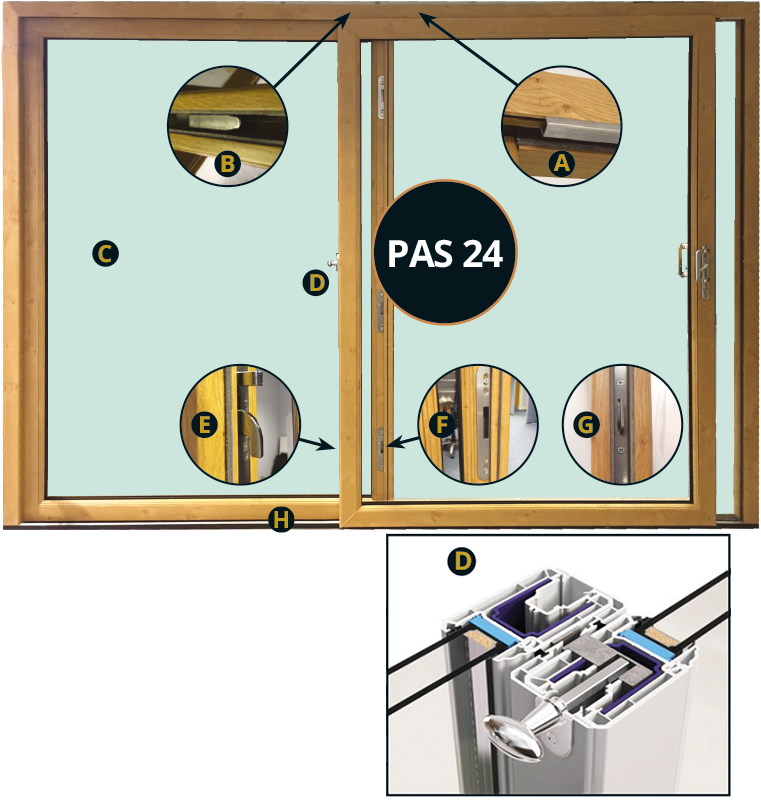
Selected specifications support laminated glazing and upgraded cylinders to strengthen real-world security at vulnerable entry points.
After fitting, you receive practical operation guidance and all relevant completion and guarantee documents for long-term confidence.
A clear process keeps your project predictable from first survey to final handover.
Step 1
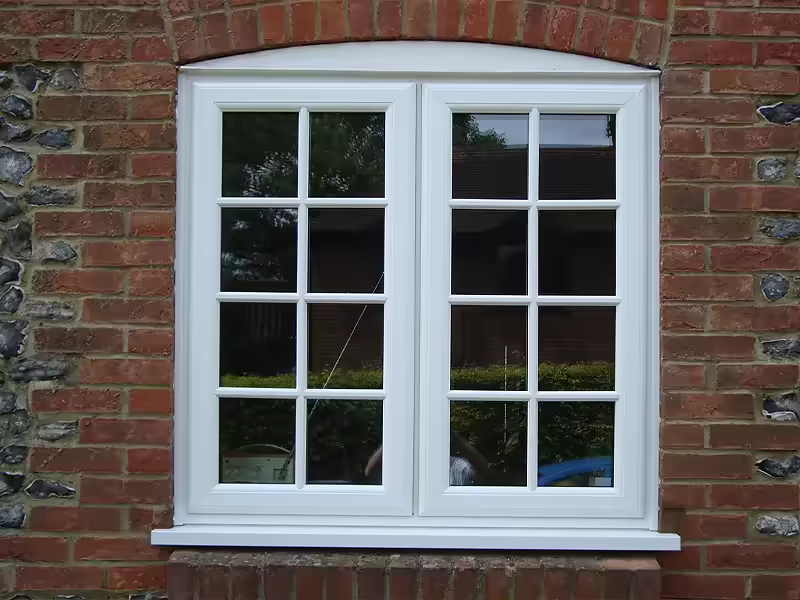
We assess your existing opening, discuss split-sash usage priorities, and confirm threshold, glazing and finish requirements.
Step 2
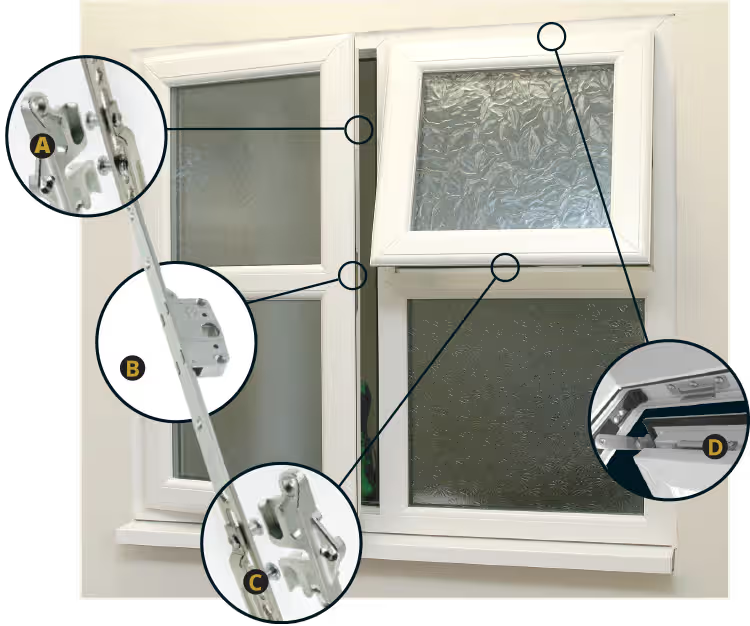
Your quote sets out material pathway, glass options, lock upgrades and finish options so decisions are clear and comparable.

Step 3
Installers remove the existing unit, fit and align your new stable door, then complete sealing, operation checks and finishing details.
Step 4
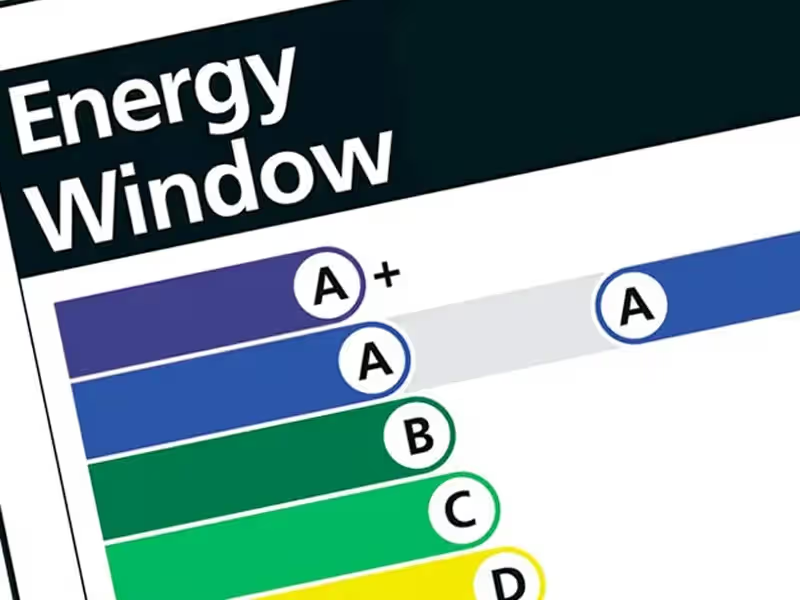
You get practical guidance on split-sash use, lock operation and care, plus full guarantee documentation after completion.
Ready to upgrade your entrance with stable-door control?
Get a tailored quote with clear options on stable-door style, glazing, security upgrades and final finish so you can make a confident decision.
Common questions on stable-door materials, split-sash operation, security and installation planning.
A stable door is split into two sections so the top can open independently while the bottom stays shut. This gives controlled ventilation with practical day-to-day safety.
Yes. Both uPVC and composite stable-door pathways are available. During survey, we help you compare maintenance, style, thermal targets and security priorities.
Yes. The top section can be used independently, making stable doors popular in kitchens and utility spaces where airflow and controlled access both matter.
Yes. Modern stable doors can be configured with multi-point locking, reinforced hardware and upgraded glazing routes to support strong external-door security performance.
On selected pathways, yes. We review threshold requirements during survey to balance access priorities with weather and thermal performance expectations.
Most like-for-like replacements are permitted development, but listed properties and conservation areas may require consent. We can help you check this before installation.
Timings depend on specification and manufacturing lead times. After survey, we provide a clear schedule from sign-off through installation and handover.
Compare routes, review guidance and move to quote when you are ready.
Explore Door Types
Review the wider door-type range so your stable-door choice works across the rest of your home.
Security
Understand practical differences between baseline lock specification and enhanced compliance-led pathways.
Design
Compare finish and hardware combinations to match your stable door with windows and nearby entrances.
Next Step
Request a tailored quote with clear options on style, glazing, security and final finish.