Warmer Entrances and Better Everyday Comfort
Modern double-glazed door units help reduce avoidable heat loss around busy access points, supporting steadier room temperatures through the year.
Homebrite Doors
Choose a double-glazing door pathway tailored to how your entrances and garden openings are used, with clear guidance on performance, security and style.
Double glazing remains the main specification route for modern doors because it balances thermal performance, noise control, daylight and practical long-term value.
Modern double-glazed door units help reduce avoidable heat loss around busy access points, supporting steadier room temperatures through the year.

The right glass build-up, cavity depth and frame sealing can improve acoustic comfort where doors face roads, schools or higher footfall areas.
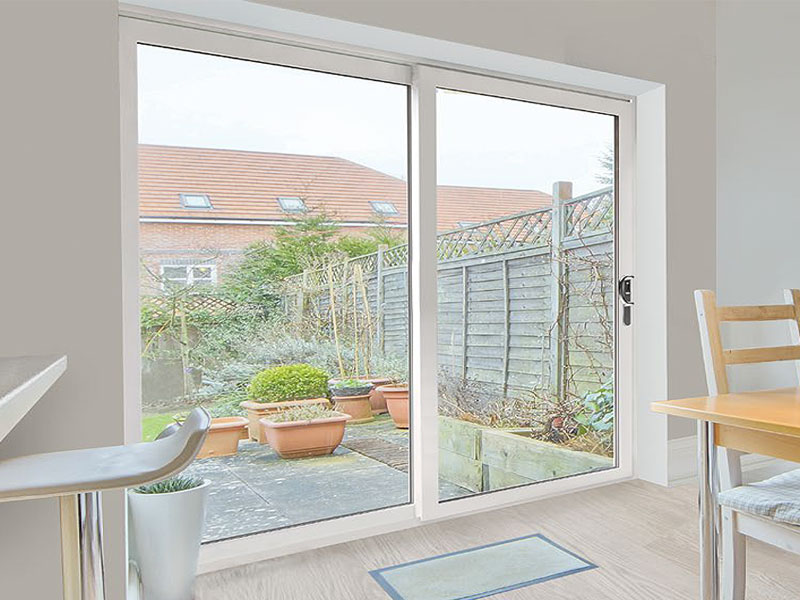
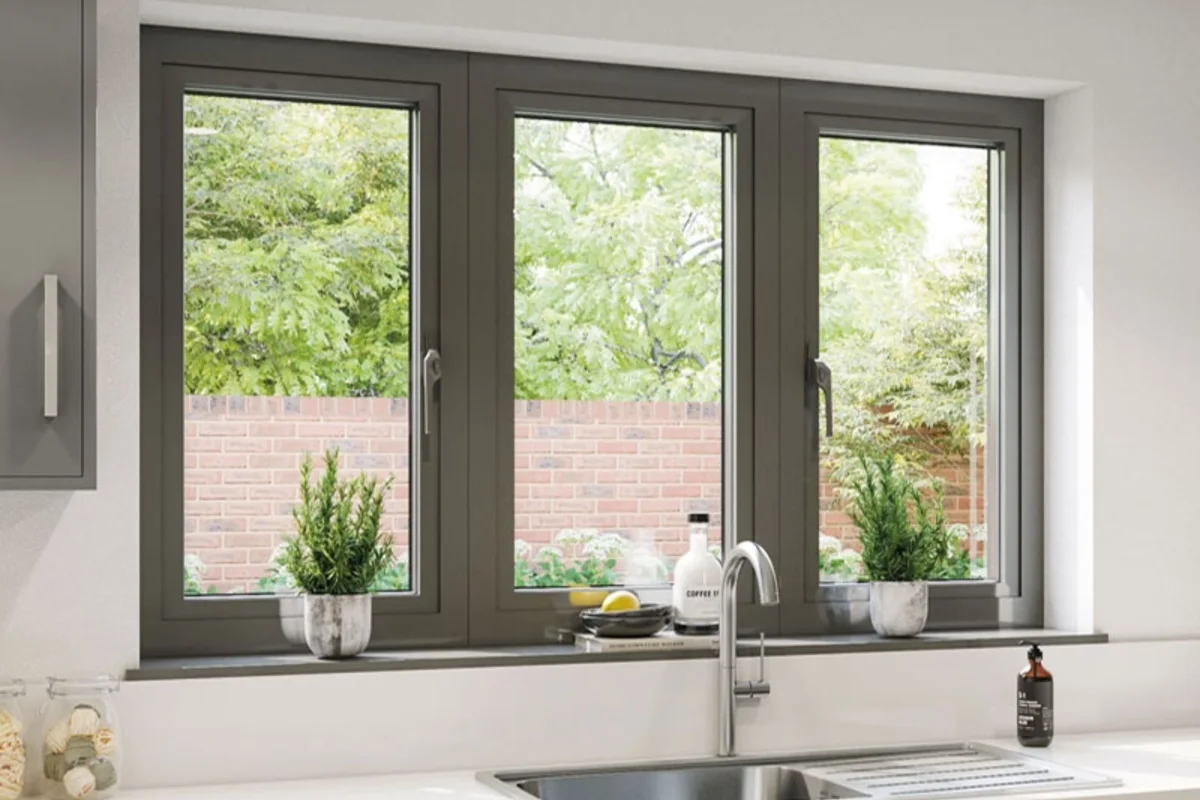
Double glazing supports large glazed door styles while balancing insulation, condensation control and practical daily operation.
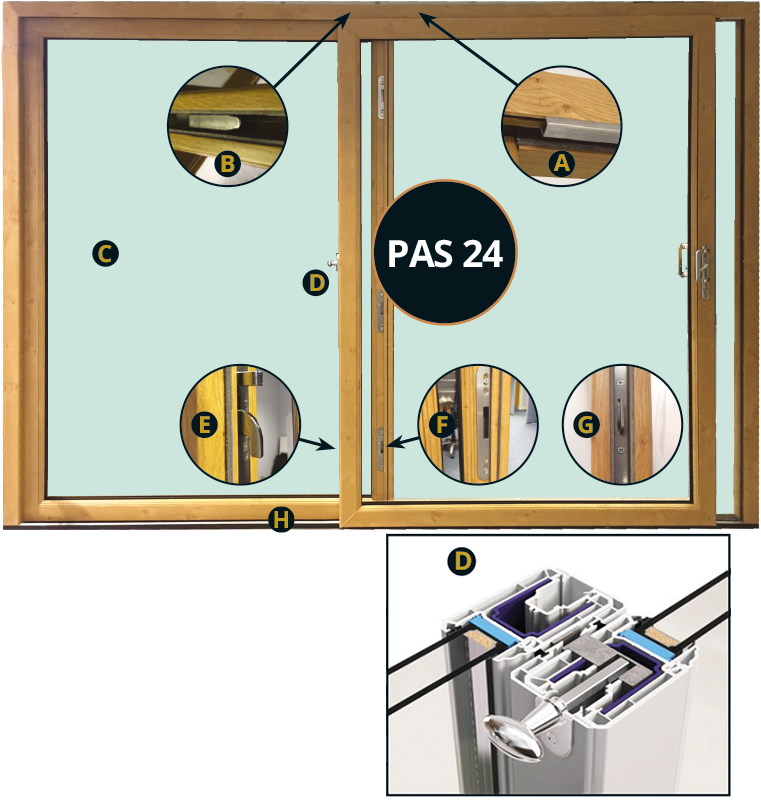
Glazing is specified alongside locking and frame details so performance, compliance and practical household security all work together.
Start with the right door format, then choose the glazing route around daylight, privacy, noise exposure and overall property style.
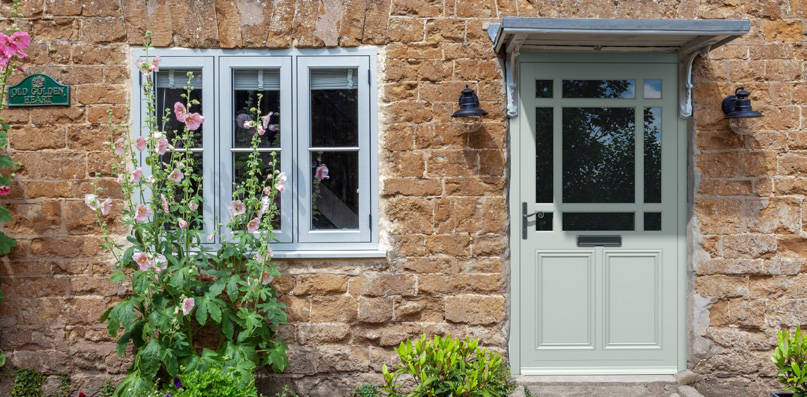
Entrance and utility doors can be configured with privacy, thermal and decorative glazing options matched to your elevation and hallway light goals.
Explore related options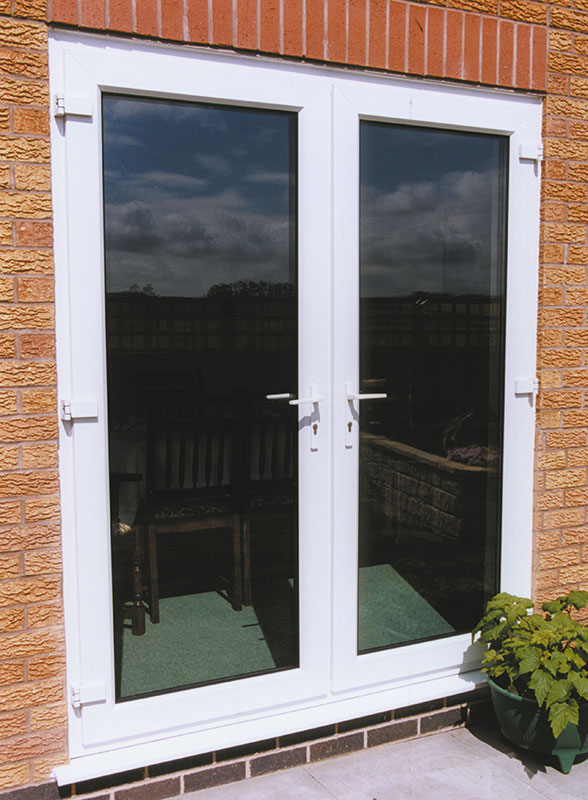
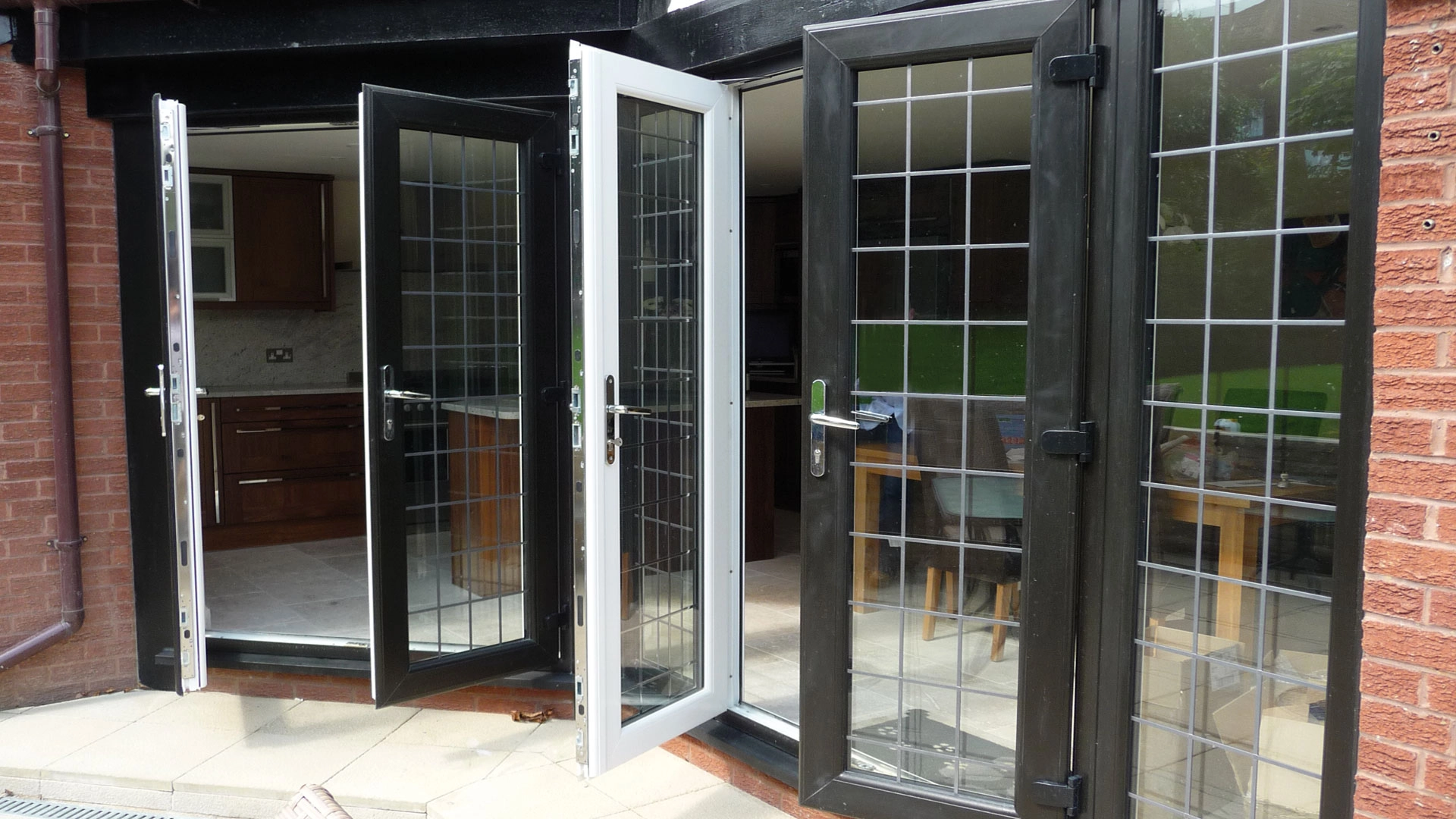
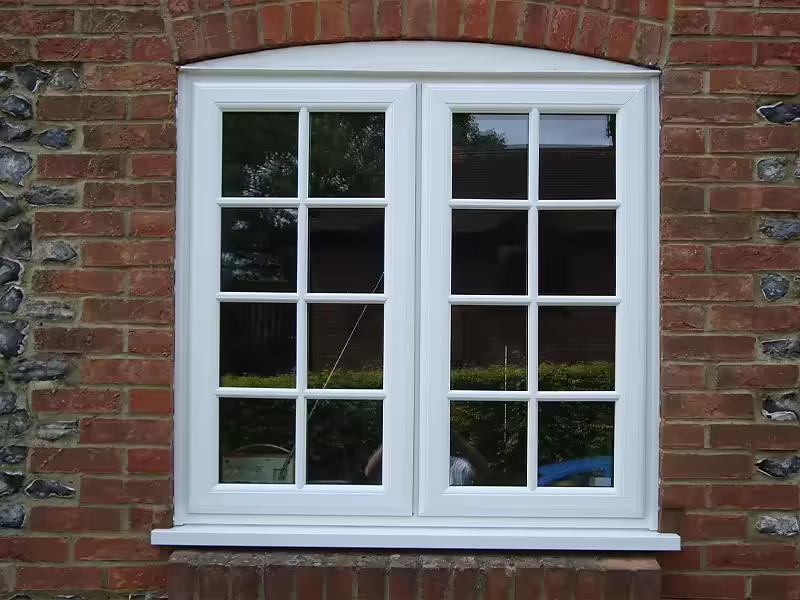
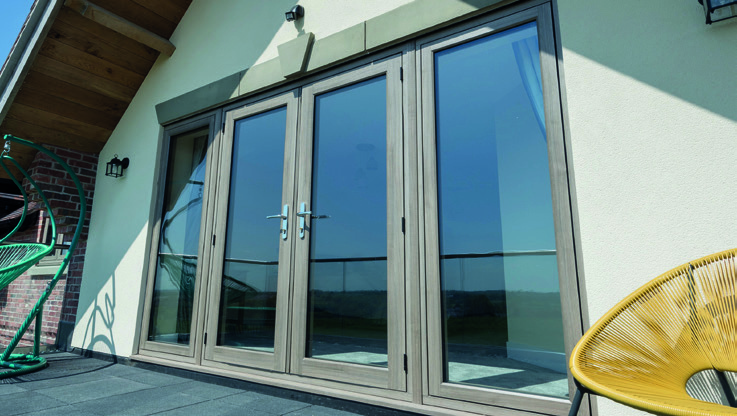
French-opening routes combine wider clear openings with double-glazed panes designed around daylight, comfort and secure operation.
Explore related options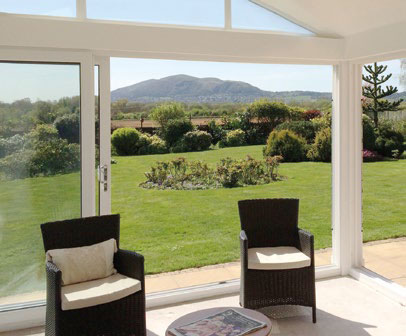
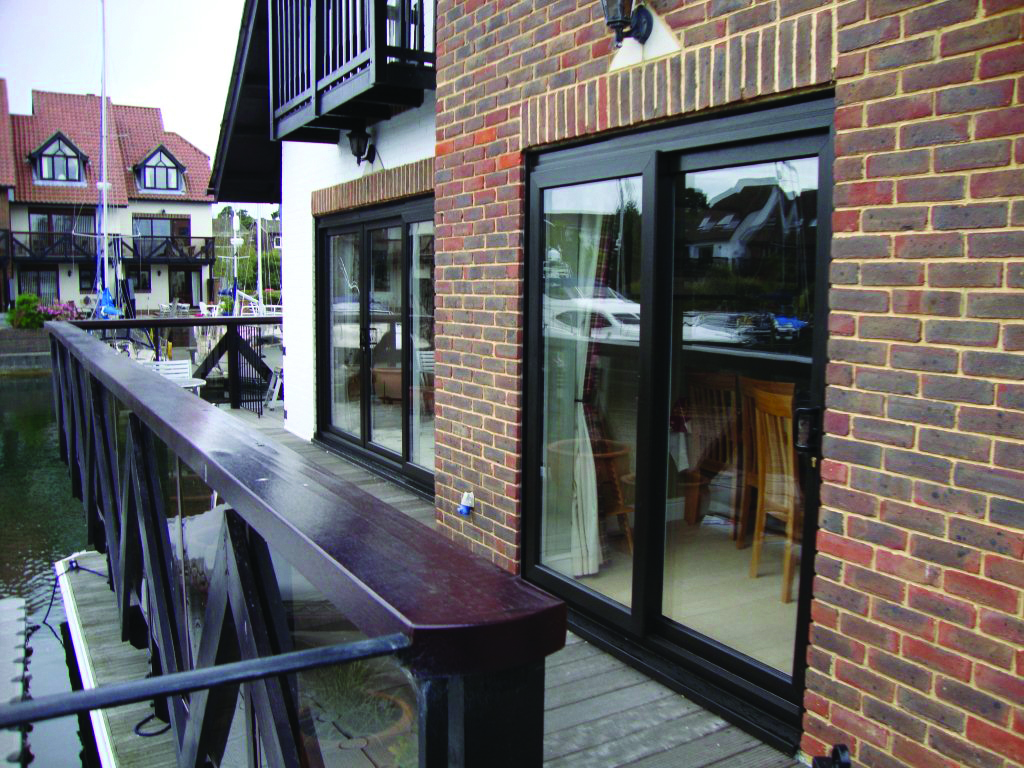
Sliding and folding systems are specified around opening width, panel layout and thermal targets while preserving clean sightlines.
Explore related options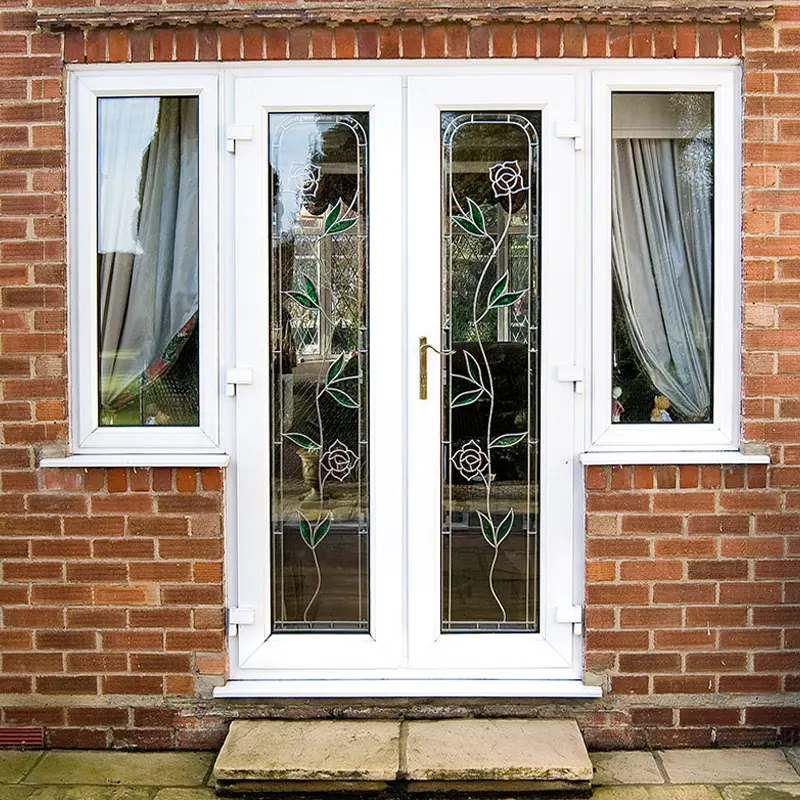
Patterned, obscured and decorative glazed units can be integrated into double-glazed door designs to balance privacy and character.
Explore related optionsRecommendations are built around practical outcomes: warmer interiors, controlled external noise, secure daily operation and clear long-term performance expectations.
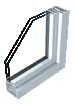
Most door double-glazing routes use Low-E coatings, gas-filled cavities and warm-edge spacers to improve thermal retention and comfort.
Learn more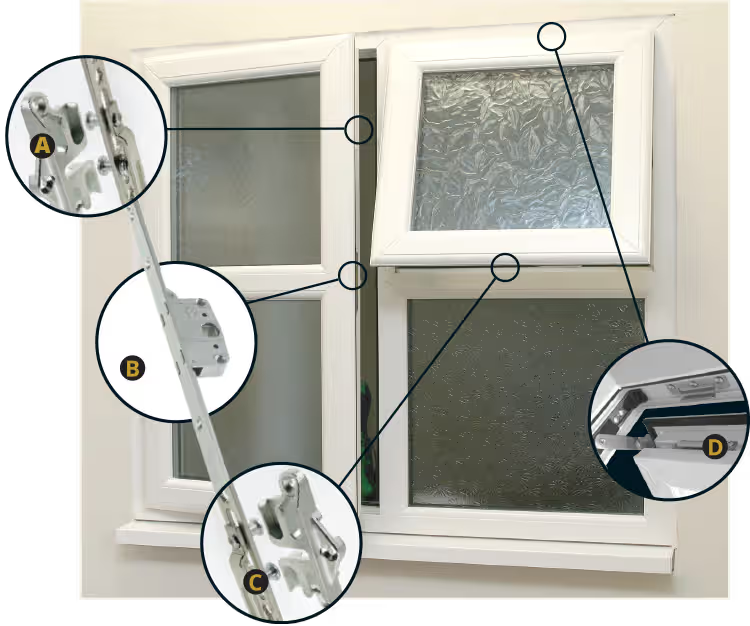
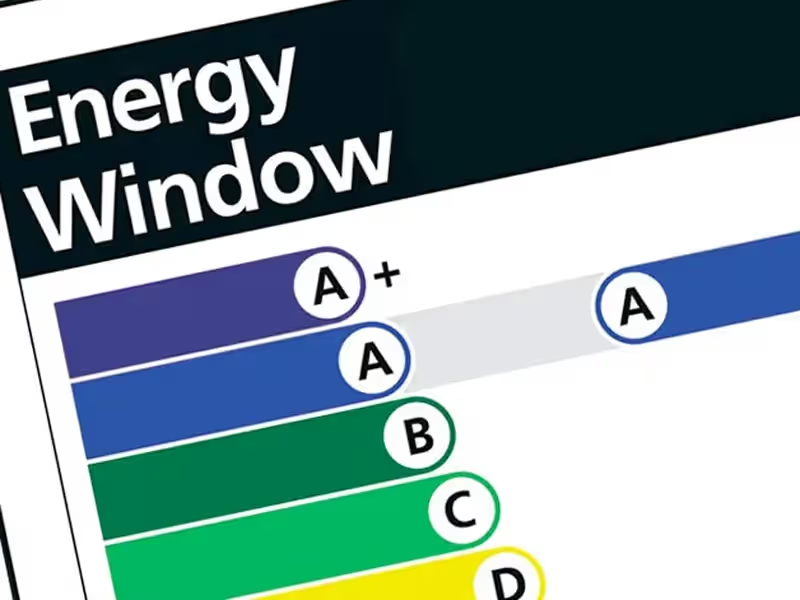
Selected refurbishment-led pathways commonly target around 1.4 W/m2K with double glazing, with lower values possible on upgrade-led systems.
Learn more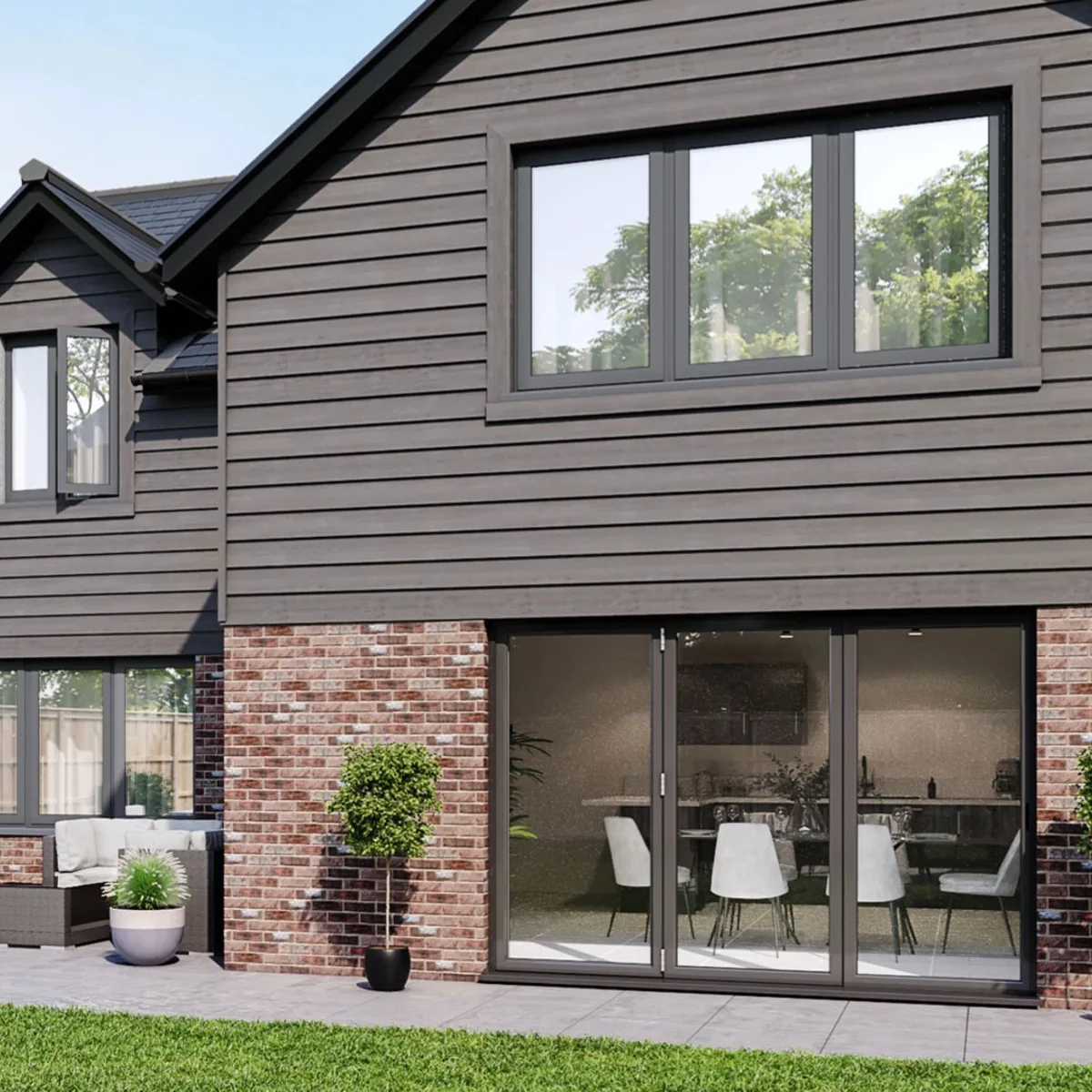
When exposure demands more, glass specification can be tuned for outside-noise reduction, solar control and better room-by-room comfort.
Learn moreFinal outcomes vary by door-set design, glazing unit composition, threshold detail and installation quality.
Security planning starts with dependable baseline hardware and double-glazing specification, then scales to enhanced pathways where compliance or risk profile demands more.
Targeted laminated-glass pathways can be introduced on selected door specifications to improve resistance at key risk points.

Where project briefs require enhanced tested performance, we can scope compliance-focused combinations during survey and specification.
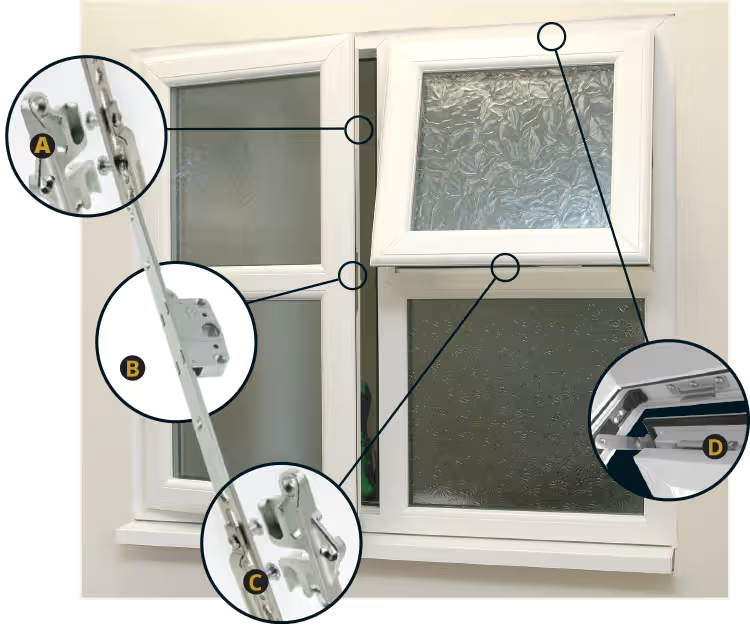
Cylinder options, lock engagement, keeps and glazing are planned as one system so the door set performs consistently in daily use.

Selected pathways can be prepared for connected status monitoring so lock-state checks are easier to manage at home.
A clear process keeps your project predictable: measured survey, specification-led quote, quality installation and documentation-led handover.
Step 1
We review each opening, discuss comfort and security priorities, and confirm how each door is used before final recommendations are made.
Step 2
Your quote details frame route, glass build-up, threshold detail and security options so you can compare pathways clearly.

Step 3
Installers fit and align the door set, complete sealing and finishing, and check operation, locking and glazing detail before handover.
Step 4
You receive practical guidance on operation and care, plus documentation and ongoing support from the Homebrite team.
Ready to get started?
Get a tailored quote with clear options on glass build-up, style and security upgrades so you can choose the right pathway confidently.
Straight answers to common questions on door double glazing, specification choices and project planning.
It means the glazed area uses two panes separated by a sealed cavity, typically with gas fill and Low-E coatings. This setup helps improve insulation and reduce avoidable heat transfer compared with older single glazing.
In some cases, yes, but suitability depends on the door slab, glazing aperture and overall condition. During survey we confirm whether reglazing is practical or a full replacement is the better long-term route.
Double glazing is the right balance for many homes. Triple glazing can be worthwhile on selected pathways where exposure, comfort goals or specification requirements justify the extra build-up.
Yes, when the glass build-up and seals are specified correctly. Acoustic improvements depend on pane thickness, cavity setup and overall installation quality.
Yes. Decorative, obscured and privacy-focused glass designs can be integrated into many double-glazed door pathways while keeping performance priorities in scope.
Most like-for-like replacements are permitted development, but listed buildings and conservation areas may need additional approvals. We can help you review this before installation.
Compare routes, review glazing options and move to quote when you are ready.
Explore Door Types
Compare double-glazing pathways across front, back, French, patio and bi-fold routes before finalising your specification.
Glazing Design
Review decorative, privacy and specialist glazing choices for different rooms, elevations and entrance priorities.
Performance
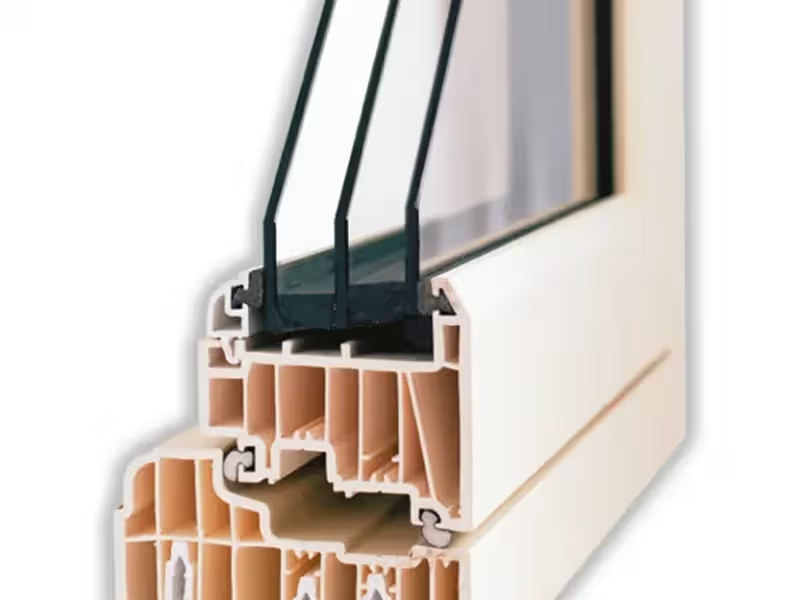
See when triple glazing may be worth considering alongside double glazing for higher-spec comfort or exposure goals.
Next Step
Get measured recommendations, clear glazing pathways and straightforward pricing from the Homebrite team.