Style Consistency From the First Impression
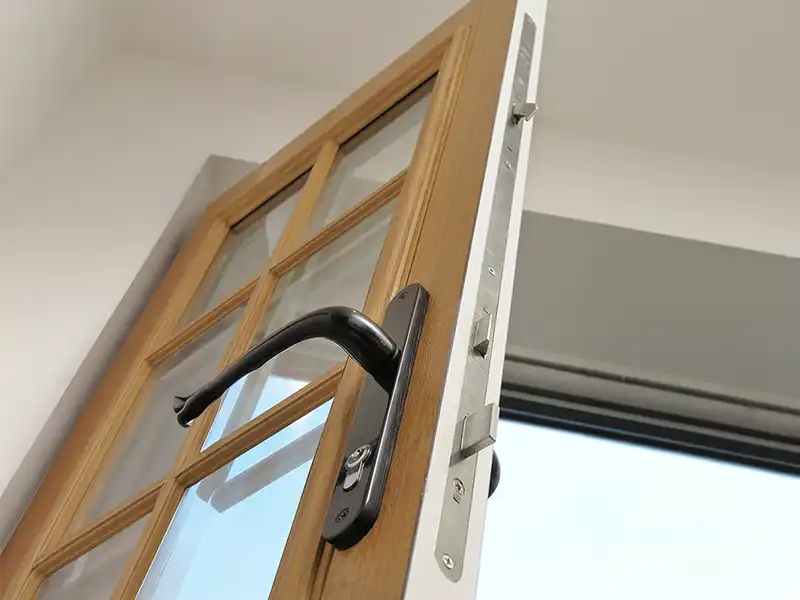
The right furniture package brings the whole entrance together, from the first handle touch-point to coordinated letterplates, knockers and frame-finish details.
Homebrite Design & Inspiration
Build a better-looking, better-performing entrance with furniture choices that balance style, security and smooth day-to-day operation.
Good door furniture should look right, feel right and perform reliably. The strongest outcomes come from planning handles, hinges and entry details together at specification stage.
The right furniture package brings the whole entrance together, from the first handle touch-point to coordinated letterplates, knockers and frame-finish details.
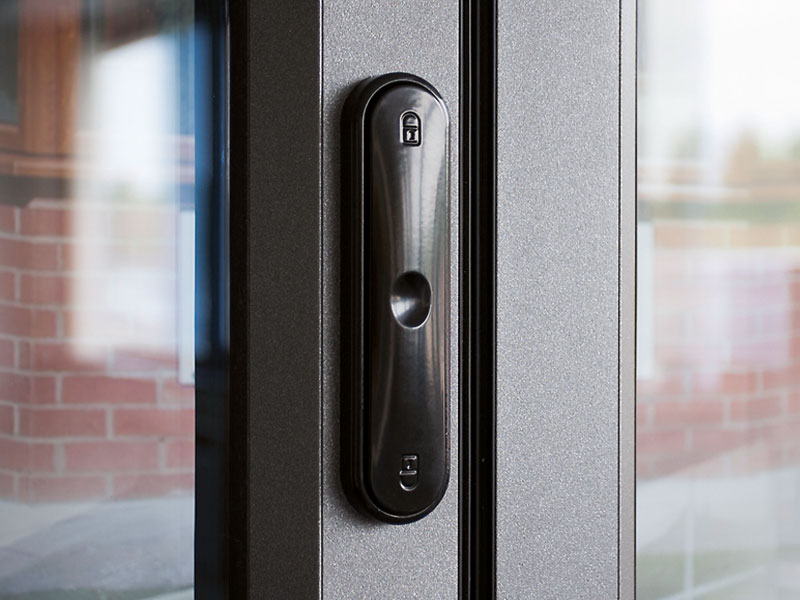
Handle geometry, grip style and hinge setup directly affect how a door feels in daily use, especially on busy family entrances and high-traffic back doors.
Hardware performs best when handles, cylinders, keeps and hinges are specified together, not in isolation, so compression and lock engagement stay consistent.
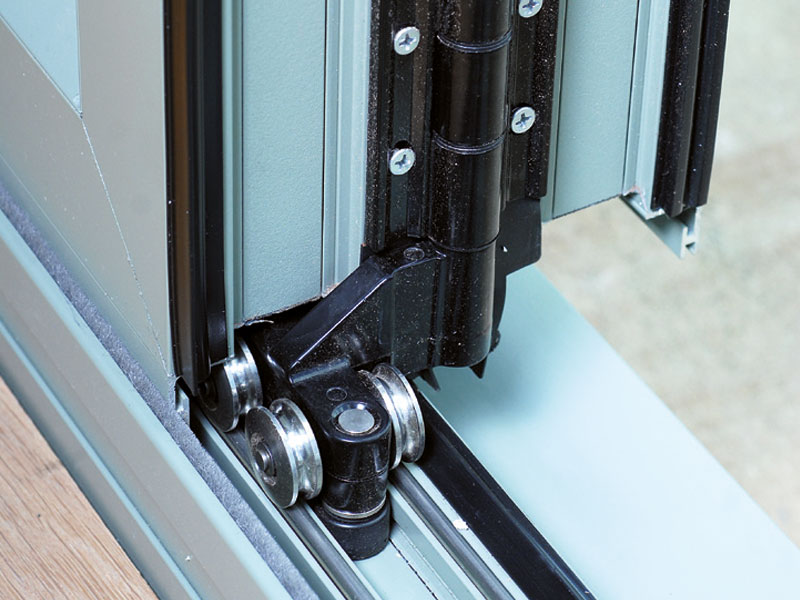
Durable finishes and correctly matched hinge/load pathways help reduce wear, maintain alignment and keep operation predictable over the long term.
Start with the right operating format, then match hinges and entry details around your chosen door style, finish strategy and everyday access needs.
Choose between modern lever sets, lever/pad routes and heritage-inspired furniture depending on your door style and day-to-day use preferences.
Explore related options Hinge type and adjustment range influence closing pressure, alignment and weather compression, especially on heavier door slabs and glazed sets.
Explore related options Letterplate format, knocker style, spy-viewer options and placement can be matched to privacy, practicality and exterior design priorities.
Explore related options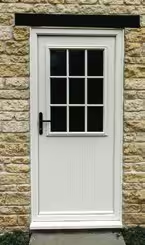
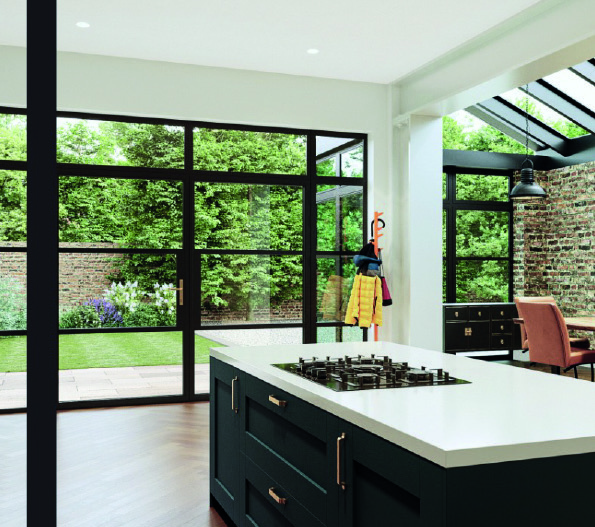
Coordinate hardware finish with frame colour, glazing tone and nearby windows so your entrance and rear elevations look intentionally designed.
Explore related optionsFurniture choices are reviewed against practical performance outcomes: reliable locking, predictable operation, threshold usability and long-term comfort.
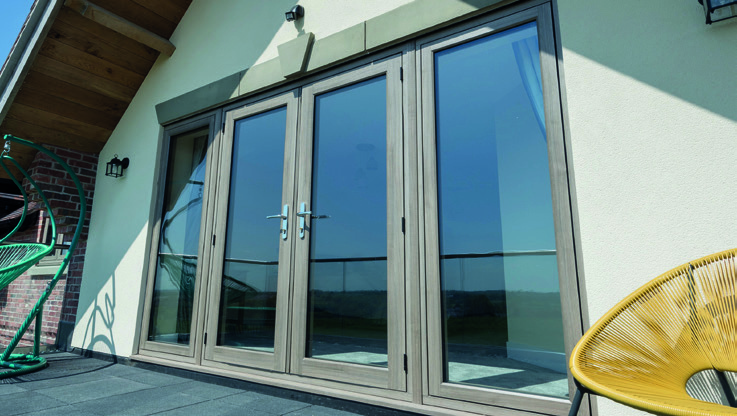
Furniture pathways vary by system and format, including front, back, French, patio and bi-fold doors, so compatibility is confirmed before final sign-off.
Learn more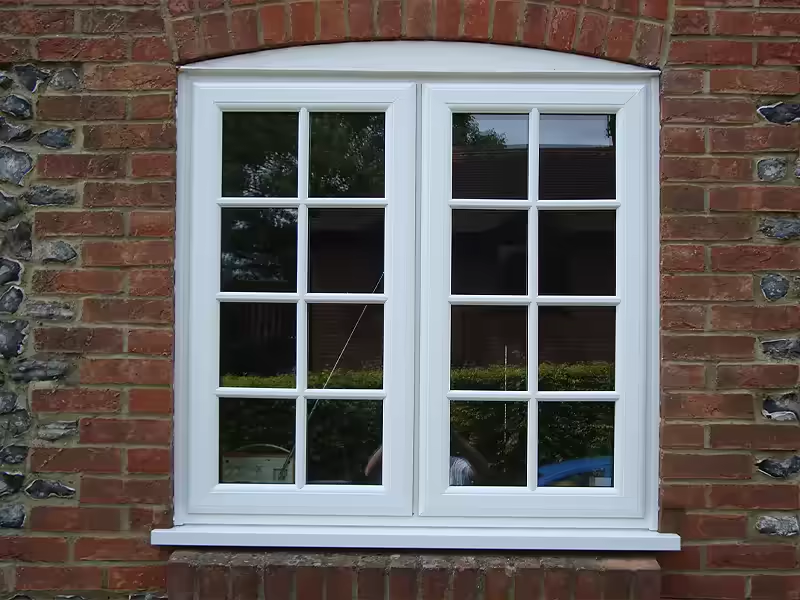
Handle height, hinge action and threshold choices are reviewed together to balance practical access, weather performance and everyday comfort.
Learn more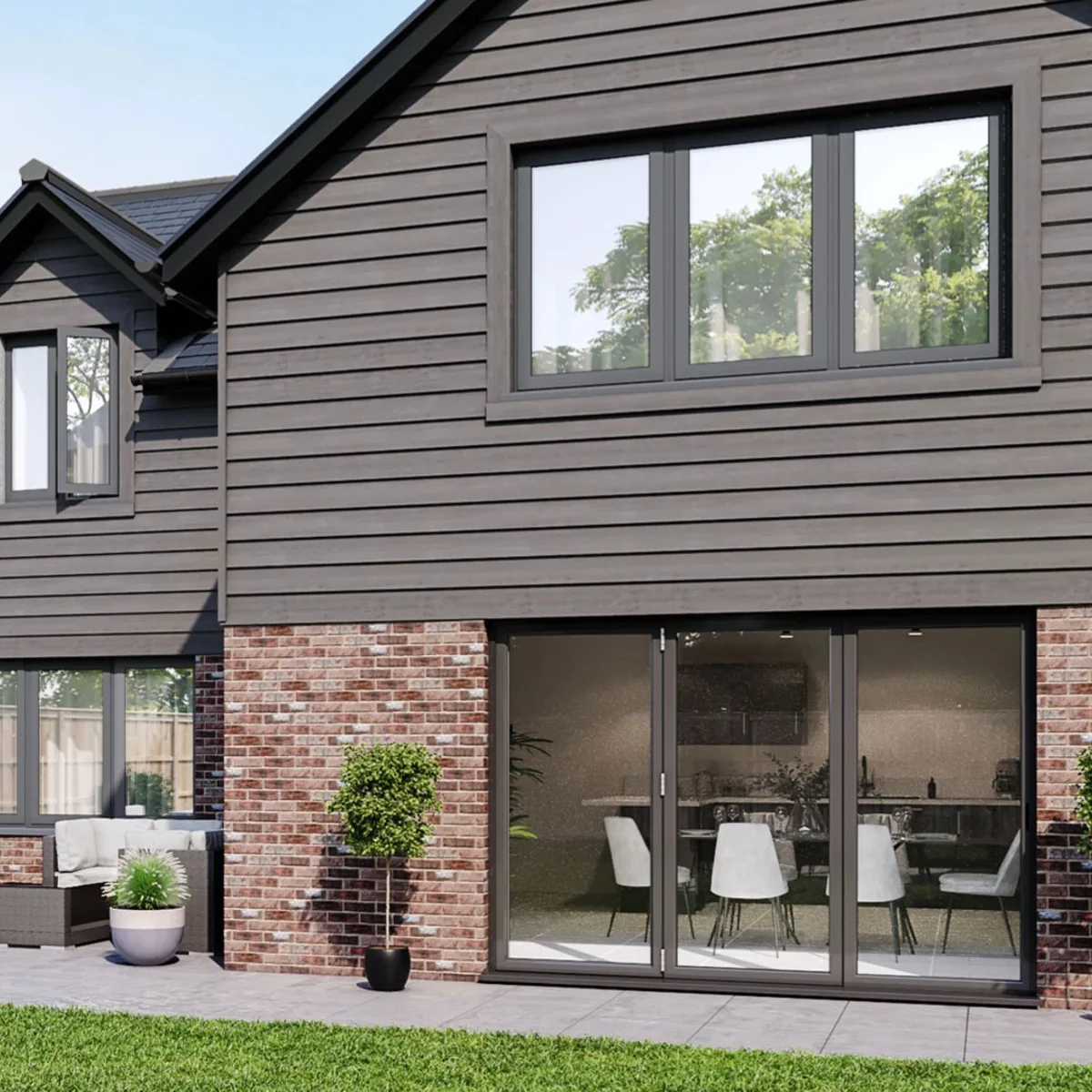
Compression quality, hinge stability and lock alignment support consistent acoustic control and weather resistance around exposed elevations.
Learn moreFinal outcomes depend on your selected door system, lock route, furniture range and installation quality.
Security-led furniture planning starts with robust baseline hardware, then scales to enhanced routes where your project requires tested compliance targets.
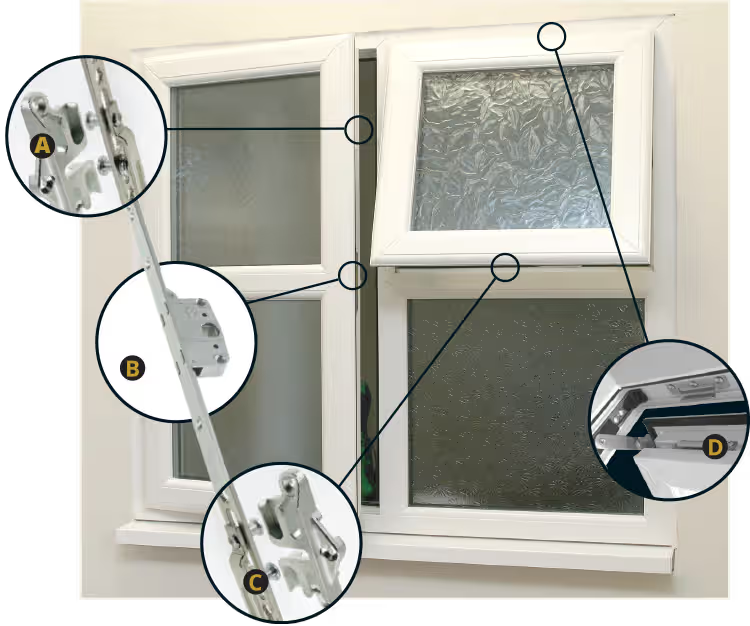
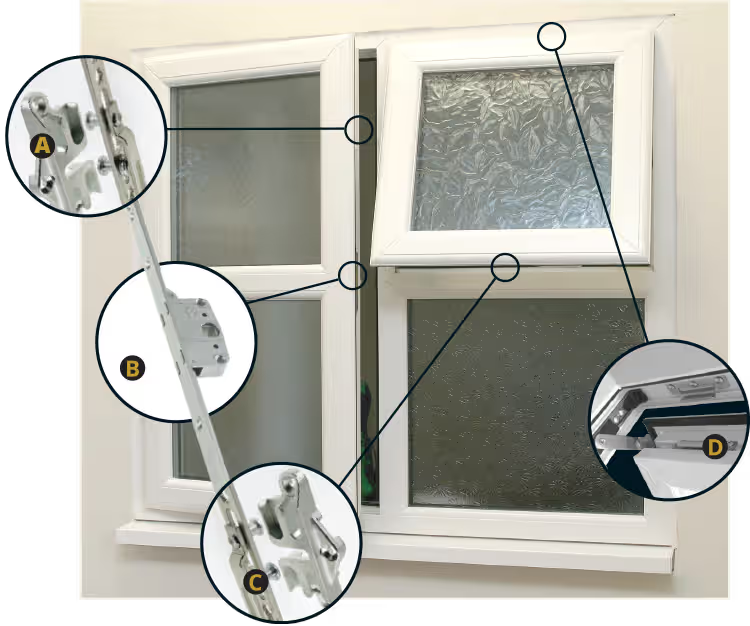
Secure operation starts with lock engagement and aligned keeps, supported by correctly paired handle and cylinder hardware.
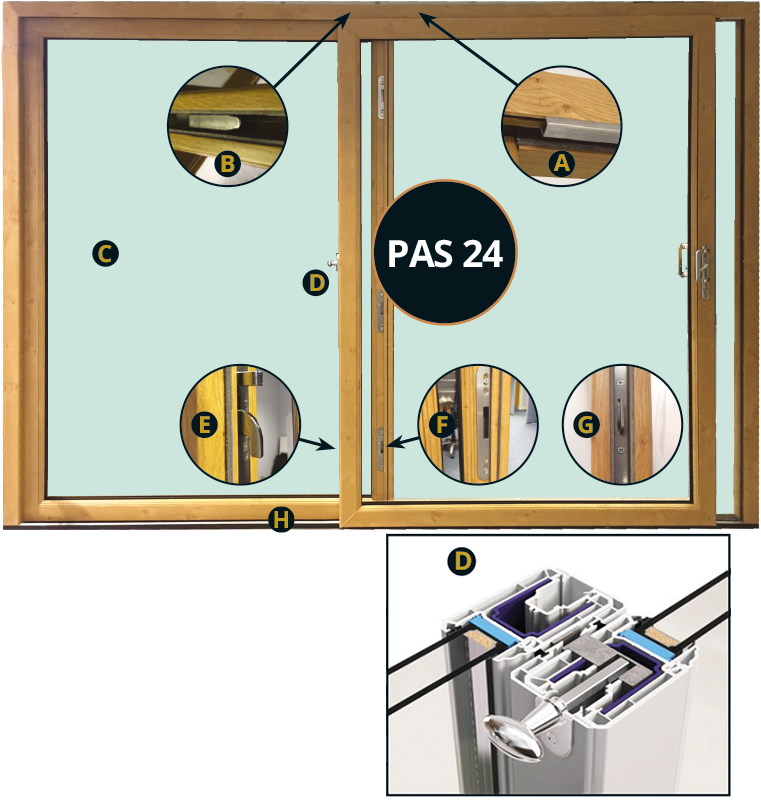
Where required, we can scope higher-spec cylinder pathways and practical thumbturn configurations to improve daily security and internal convenience.
Hinge selection and adjustment influence resistance, compression and long-term operation, particularly on larger and heavier glazed door leaves.

Selected hardware pathways can be prepared for connected lock-state monitoring, helping households confirm key entry points are secure.
A clear process keeps results predictable: survey, specification, fitting checks and documentation-led handover.
Step 1
We assess each door opening, discuss style and usability priorities, and identify compatible furniture pathways before final recommendations.
Step 2
Your quote sets out handle, hinge, letterplate and security options clearly so finish and performance trade-offs are easy to compare.

Step 3
Installers fit and align hardware, check compression and locking operation, and confirm smooth day-to-day function before handover.
Step 4
You receive care guidance, usage notes and guarantee documentation so your chosen furniture performs consistently over time.
Ready to get started?
Get a tailored recommendation covering handles, hinges, letterplates and security pathways so your next door project is clear from the start.
Straight answers to common questions about door furniture compatibility, finish planning and long-term performance.
Door furniture usually includes handles, hinges, letterplates, knockers, cylinders, thumbturns and related entry hardware. The exact set depends on your door style and security brief.
Yes. Most systems offer coordinated finish pathways so handles, letterplates and knockers can be matched to frame and glazing choices for a cleaner final look.
Yes. Many routes include both modern lever options and more traditional furniture styles, with availability confirmed against your chosen door system.
Yes. Hinge grade, adjustability and setup affect alignment, compression and resistance. Correct hinge specification is essential for long-term performance and security.
Yes. On compatible systems, hardware combinations can be scoped to align with PAS 24 and Document Q requirements where enhanced security is part of your project brief.
In many cases yes, but compatibility depends on door type, lock route and existing prep. We can review your current setup and recommend practical upgrade pathways.
Compare related pages, review guidance and move to quote when you are ready.
Design
Compare colour and finish pathways so furniture, glazing and frame choices work together across your full elevation.
Guidance
Use practical guidance to compare style, security, hardware and budget priorities before final specification.
Security
See how locking, glazing and hardware combinations influence baseline and upgraded security routes.
Next Step
Get measured recommendations and clear pricing for a complete hardware and finish package that fits your home.