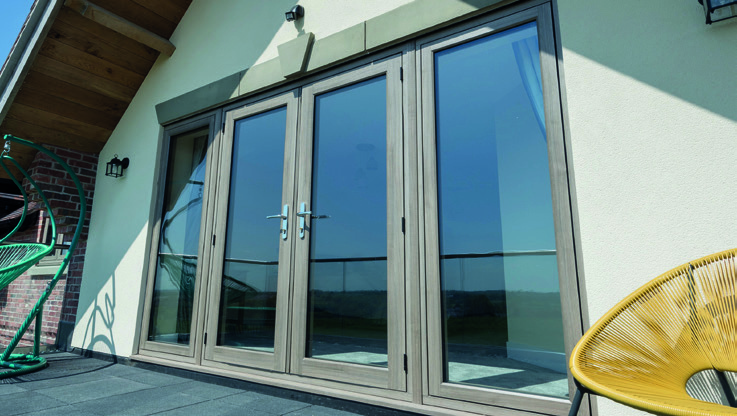
Start With the Door Role, Not Just the Look
Define where the door sits in your home first, such as main entrance, family rear access or garden transition, then choose style and format around how it will actually be used.
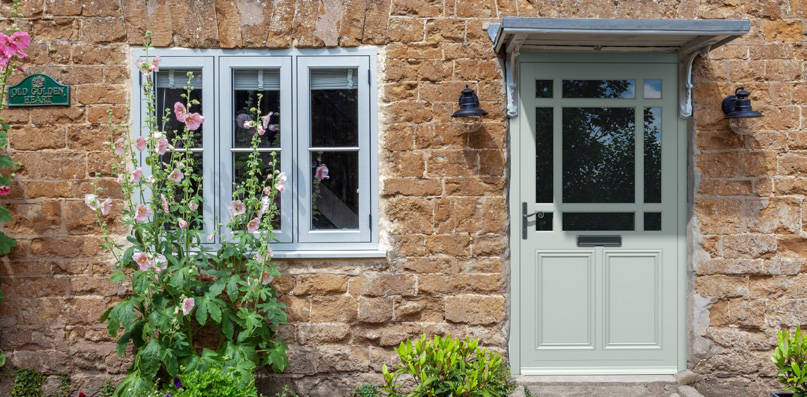
Homebrite Guides
Use this structured guide to compare door options clearly, avoid specification mistakes and move forward with confidence.
Most door regrets come from rushed decisions. A practical buying framework keeps choices focused on how your home performs, not just how a brochure looks.
Define where the door sits in your home first, such as main entrance, family rear access or garden transition, then choose style and format around how it will actually be used.
A strong buying decision balances lock quality, glazing performance and whole-door build, not just the initial price tag or a single headline feature.
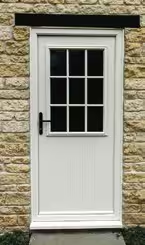
Material choice affects cleaning routines, repainting cycles, sightlines and weather response. Matching this to your lifestyle avoids regret later.
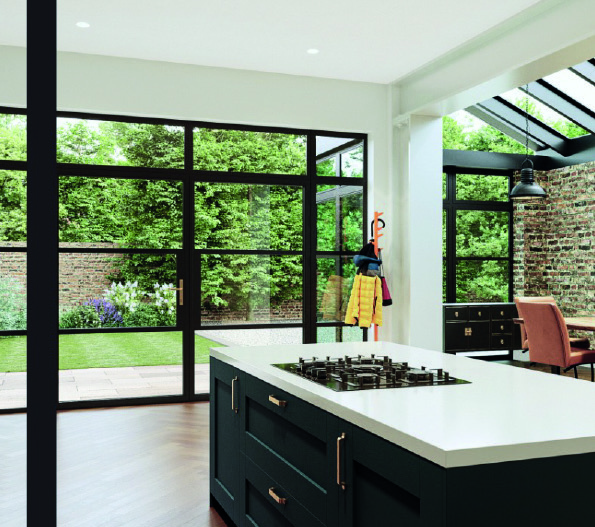
When style, hardware, thresholds, glazing and compliance are scoped together, projects run more smoothly and costly late-stage changes are reduced.
Start with operation and layout, then choose material, then refine glazing and finish details. This order prevents expensive rework and conflicting choices.
Front, back, French, patio and bi-fold doors each solve different access patterns. Start with operation and layout before narrowing style choices.
Explore related options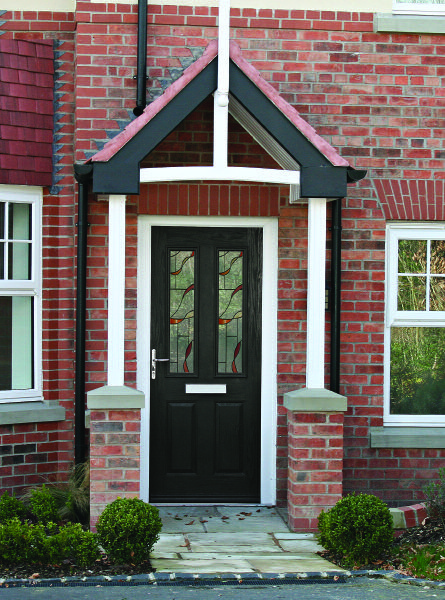
uPVC, aluminium, composite and timber-style routes each offer different strengths in upkeep, aesthetics, thermal behaviour and long-term durability.
Explore related options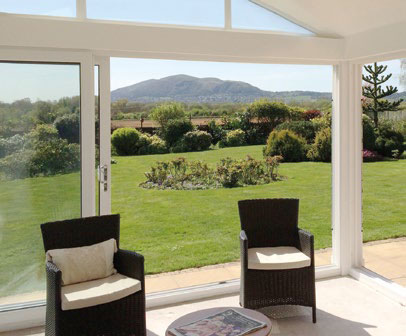
Door glazing should be selected around elevation exposure, daylight goals and privacy needs, with double or triple pathways chosen to suit your brief.
Explore related options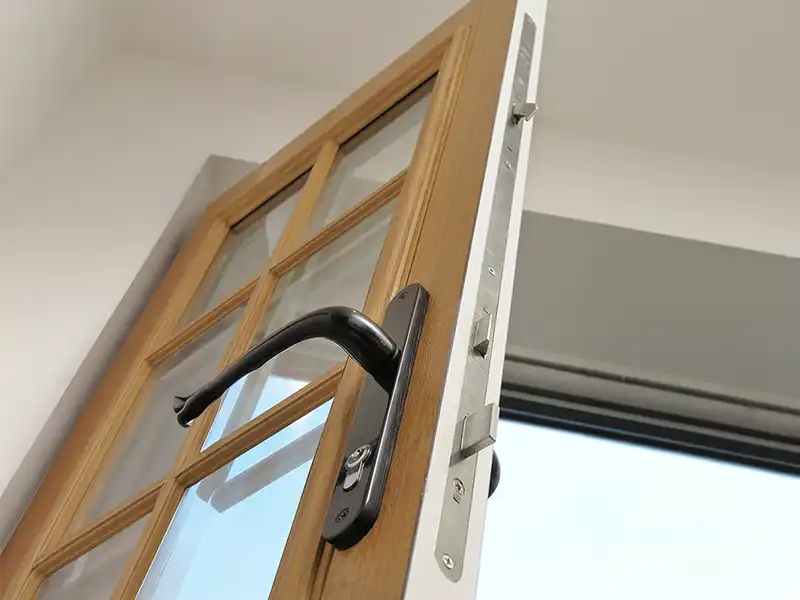
Handles, hinges, letterplates and colour schemes should be aligned at design stage so the final installation looks cohesive and operates confidently.
Explore related optionsA better buying decision weighs thermal comfort, acoustic control, threshold usability and exposure resilience together, not as isolated features.
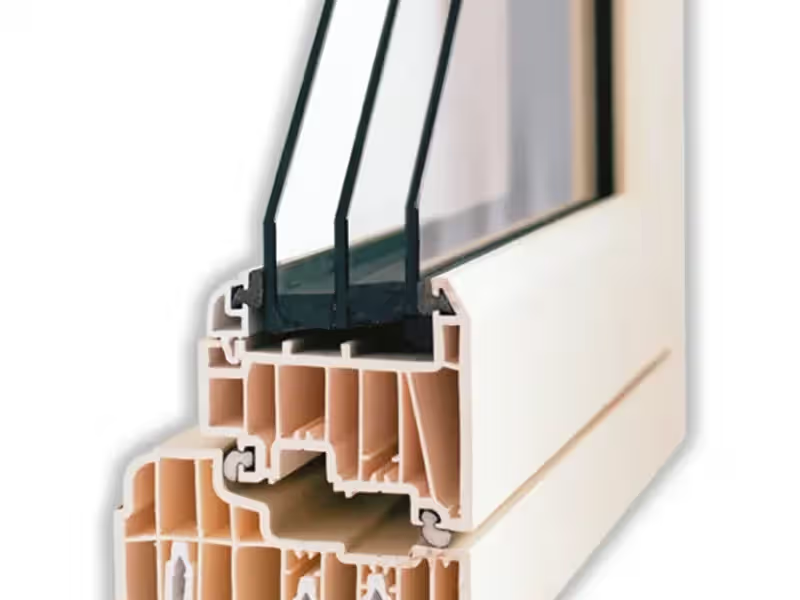
Double glazing is often the right baseline, while triple glazing can be justified where exposure, comfort or compliance targets need a higher-performing build-up.
Learn more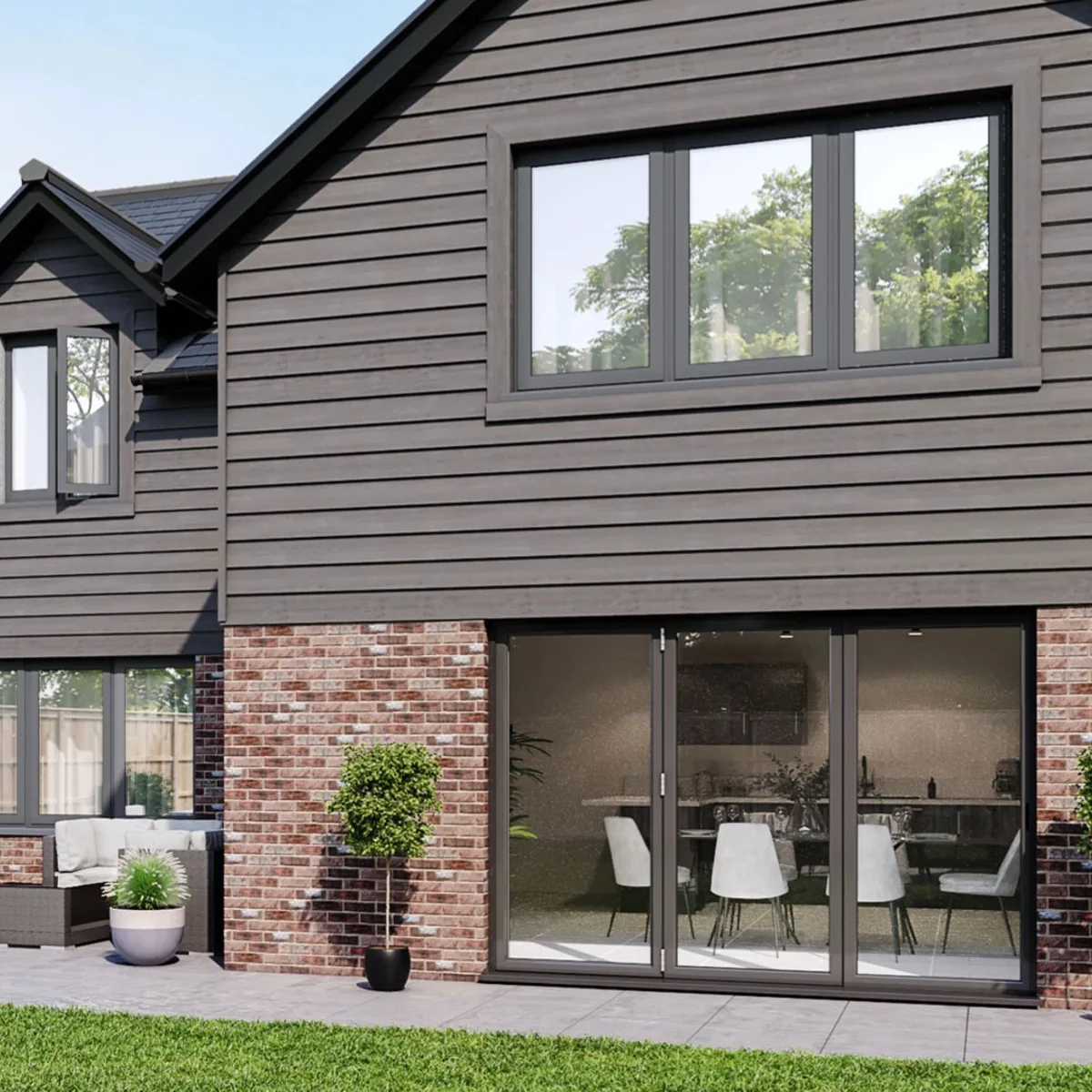
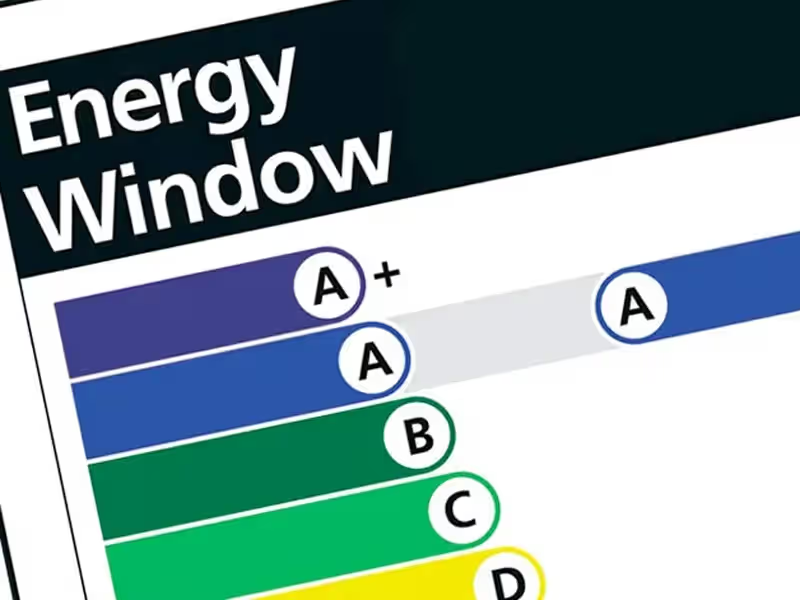
Frame design, glass specification and sealing detail all influence heat retention, noise control and how well your door performs through changing weather.
Learn more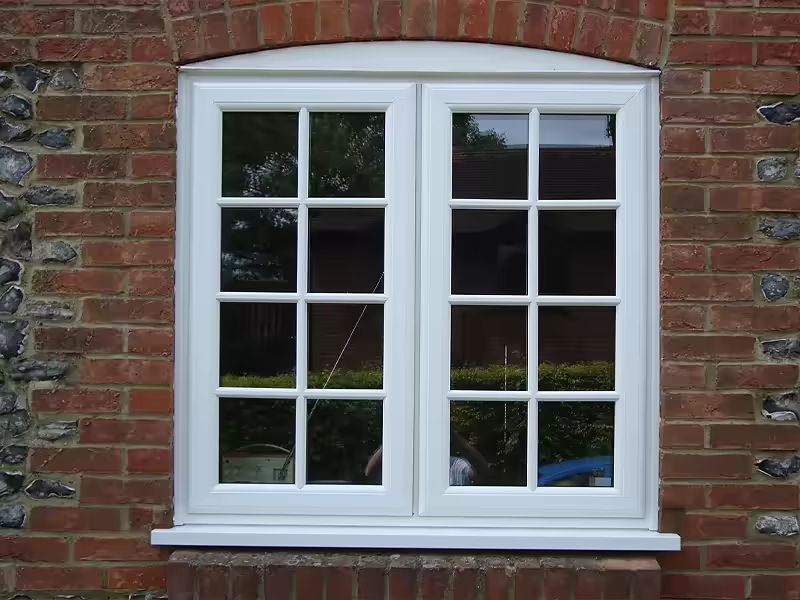
Low-threshold and mobility-led routes can improve day-to-day access but must be matched with the right weather detail and frame system from the outset.
Learn moreFinal outcomes depend on selected system, project constraints and installation quality.
Security-led buying starts with robust baseline hardware, then adds compliance-focused pathways where project requirements demand tested standards.
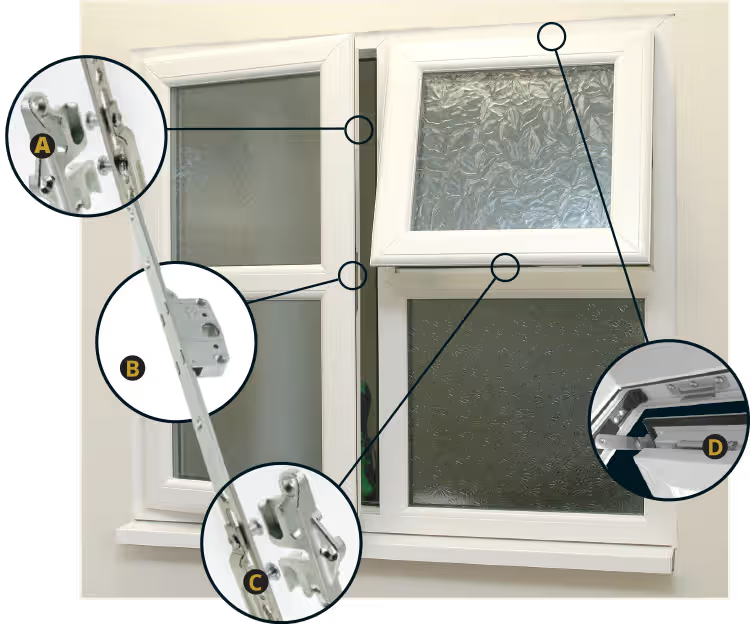
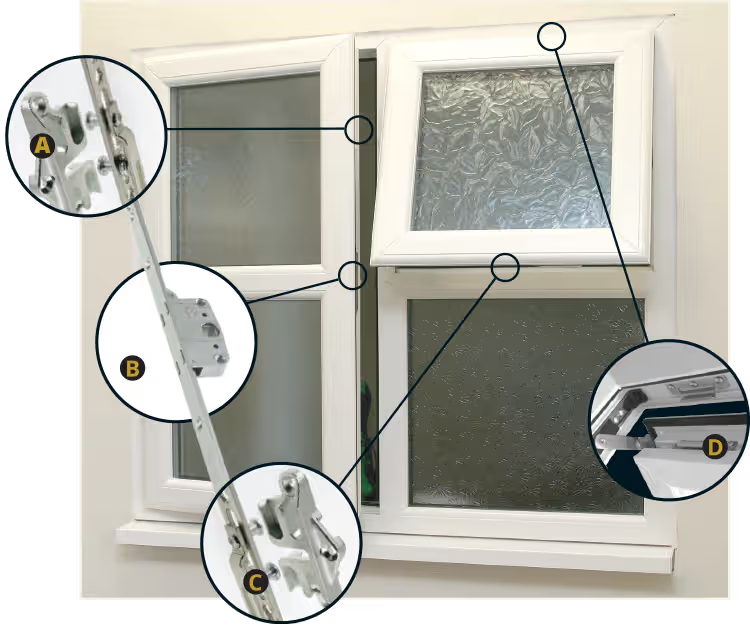
Modern door sets should start with robust multi-point engagement and correctly aligned keeps to support reliable day-to-day protection.
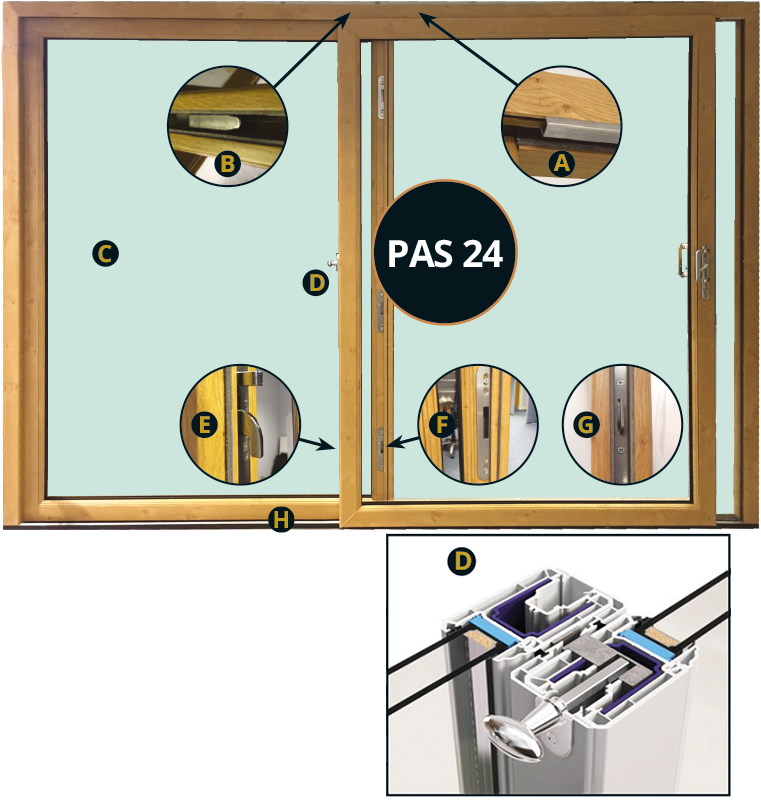
On compatible systems, laminated glazing and upgraded cylinder pathways can strengthen resistance at vulnerable areas without compromising usability.

If your project needs tested compliance, hardware and glazing combinations can be scoped around recognised UK security standards during survey.

Selected systems can be prepared for smart monitoring so households can check lock status quickly before leaving or at night.
A clear process keeps projects controlled from first survey through to handover and aftercare.
Step 1
We assess your openings, discuss style and use priorities, and define the right buying criteria before any final recommendation is made.
Step 2
Your quote is set out clearly across type, material, glazing, hardware and security pathways so comparisons are straightforward.

Step 3
Installers fit, align and seal the system, then confirm operation, locking and finish quality before sign-off.
Step 4
You receive clear operation guidance, care advice and guarantee paperwork so the finished installation remains reliable over time.
Ready to get started?
We will map door type, material, glazing and security options to your home so you can choose with confidence.
Straight answers to common buying questions before you finalise your new door specification.
Start with your priorities: maintenance, appearance, security targets and budget. uPVC often suits practical low-maintenance projects, aluminium supports slimmer modern styling, composite balances strength and design range, and timber-style routes suit heritage-led aesthetics.
Not always. Double glazing is often the best-value baseline. Triple glazing is usually considered where exposure, comfort targets or specification requirements justify the extra build-up and cost.
For compliance-led projects, ask about PAS 24, Document Q and Secured by Design pathways. Also review practical details such as lock type, glazing specification and cylinder options rather than relying on one headline standard alone.
Most like-for-like replacements are permitted development, but listed buildings and conservation areas can require additional consent. Checking this at survey stage avoids delays.
Major cost drivers include door type, material, opening size, glazing specification, hardware package, security level and any side-light or top-light requirements.
Compare like-for-like details: full specification, glazing build-up, lock and hardware package, threshold type, installation scope, guarantees and completion documentation. A lower headline price is not always better value.
Compare related guidance pages and move forward to quote when you are ready.
Door Types
Review front, back, French, patio, bi-fold and stable routes before you lock in your preferred specification.
Design
See how handles, hinges and letterplates influence both final appearance and day-to-day usability.
Finishes
Check colour strategy and finish matching so new doors integrate cleanly with windows and facade details.
Next Step
Get practical recommendations and transparent pricing based on your property, priorities and final specification goals.