Stronger Day-to-Day Security
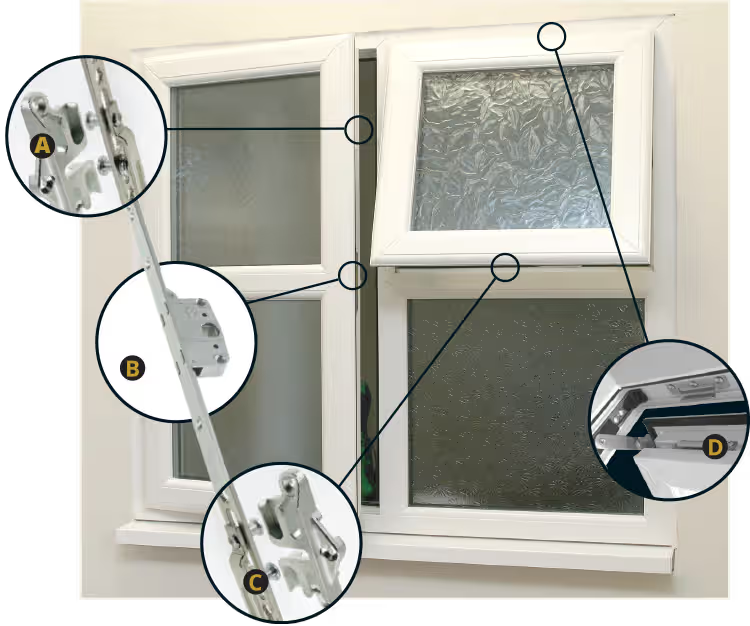
Composite slabs, reinforced frames and multi-point hardware packages create a robust first line of defence at the main entrance.
Homebrite Doors
Upgrade your entrance with a made-to-measure composite door tailored to your security priorities, thermal goals and preferred finish.
Composite doors remain a popular upgrade because they combine the reassuring feel of a solid entrance system with modern thermal and low-maintenance performance.
Composite slabs, reinforced frames and multi-point hardware packages create a robust first line of defence at the main entrance.
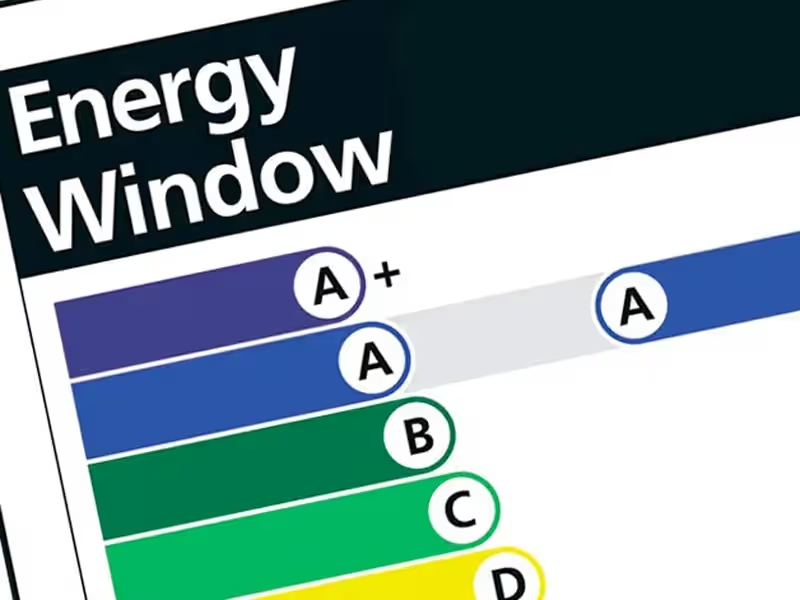
Insulated door cores and correctly specified glazing help reduce avoidable heat loss and draughts around high-traffic access points.
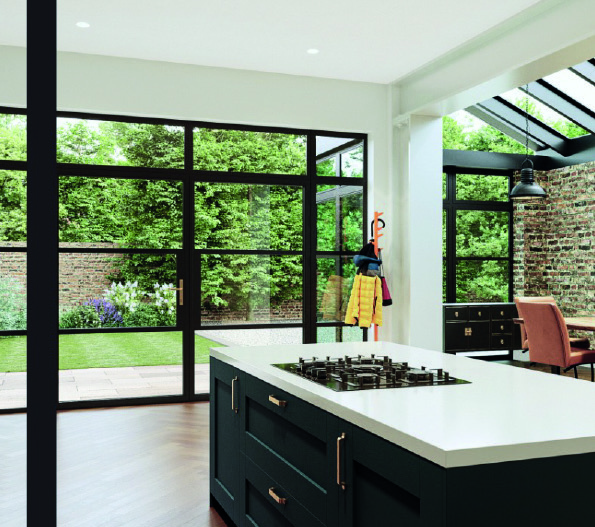
Modern composite finishes are designed to resist warping, fading and routine weather wear while staying straightforward to maintain.
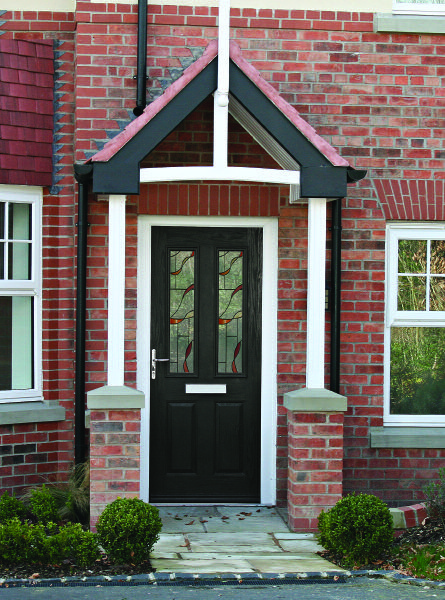
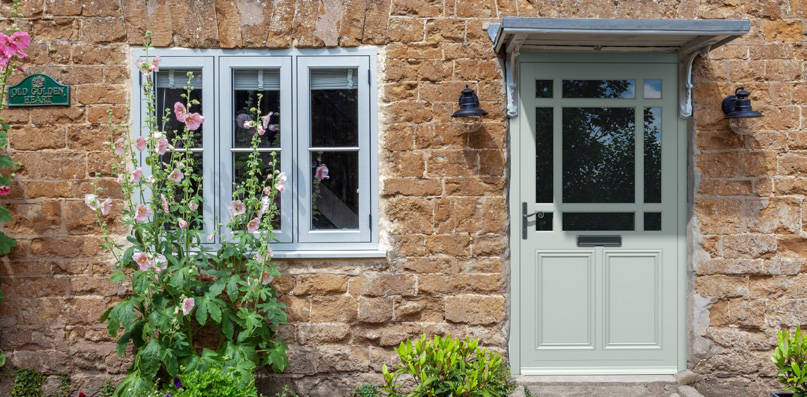
From classic panel layouts to cleaner contemporary lines, composite doors can be matched to both period and modern homes.
We help you choose the right composite pathway based on slab construction, finish priorities, access requirements and overall project budget.
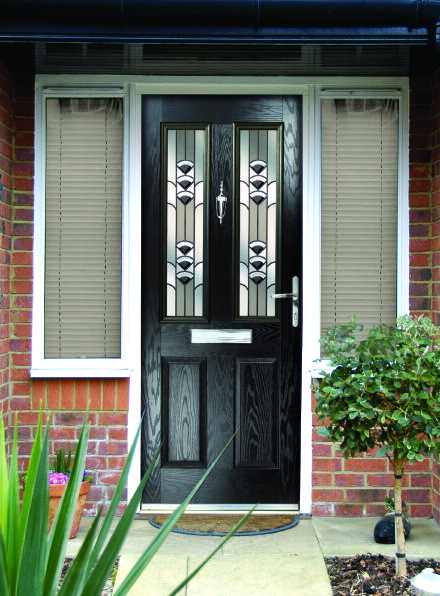
Glass-reinforced polymer skins paired with insulated cores offer a practical balance of durability, weather resistance and style choice.
Explore related options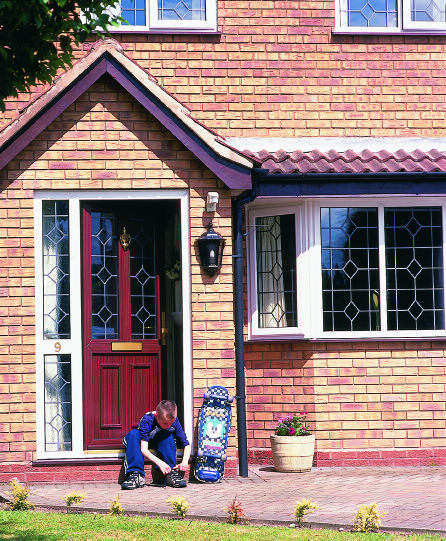
Selected composite formats include solid-core constructions for added weight, rigidity and a premium feel in use.
Explore related options Composite systems can also be configured for rear access and stable-style layouts where ventilation and access patterns differ.
Explore related options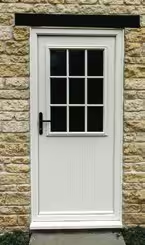
Use the buying guide to compare composite against uPVC, aluminium and timber pathways around security, upkeep and budget.
Explore related optionsComposite doors are highly configurable. We guide your choices so colour, glazing and hardware all work together with your windows and facade.
Choose subtle heritage tones, contemporary greys or statement colours, with dual-colour options available on selected ranges.
View options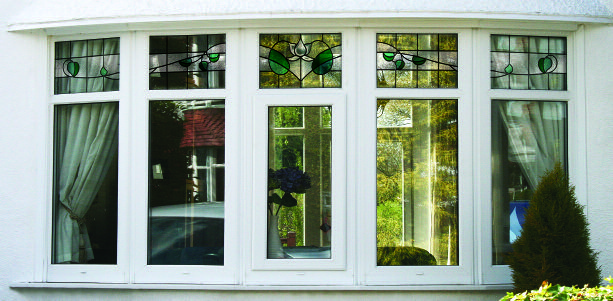
Textured, obscure and decorative glass options can balance daylight, privacy and kerb-appeal goals.
View options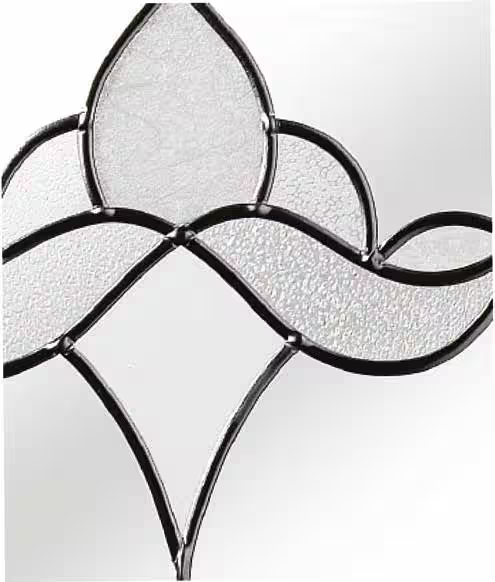
Handles, knockers, letterplates and cylinder upgrades complete both the security package and the final visual finish.
View options Composite entrances can be built as single doors or with side and over-panels to suit wider openings and hallway light levels.
View optionsPerformance recommendations are built around practical outcomes: warmer hallways, better weather sealing, reliable operation and clearer long-term value.
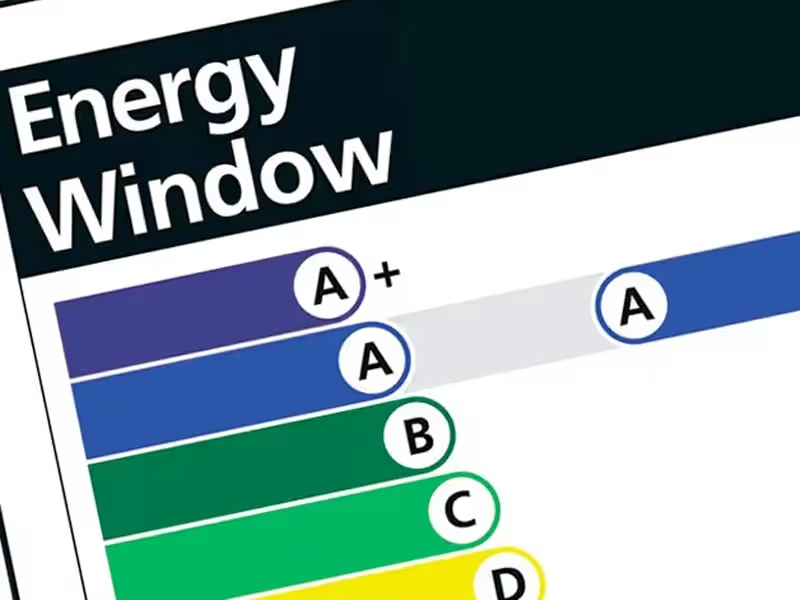
Current composite routes can target around 1.4 W/m2K, with lower outcomes available on selected upgraded core and glazing builds.
Learn more Composite slabs are built to reduce swelling, contraction and distortion while maintaining reliable compression around seals.
Learn more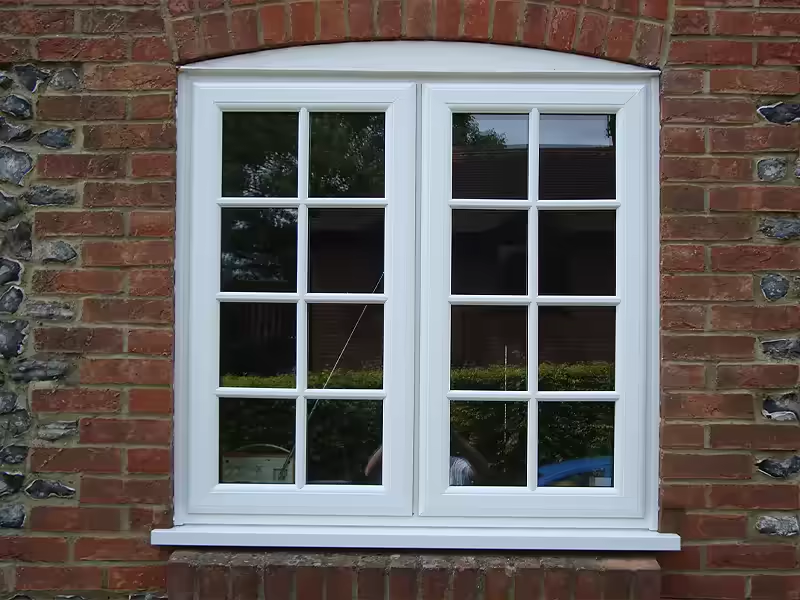
Standard, low and mobility threshold options can be reviewed alongside hallway levels and weather exposure before final sign-off.
Learn moreFinal project performance depends on opening size, slab construction, glazing build-up, threshold selection and installation quality.
Security planning starts with practical everyday protection, then scales to enhanced specification routes where risk profile or compliance targets require more.
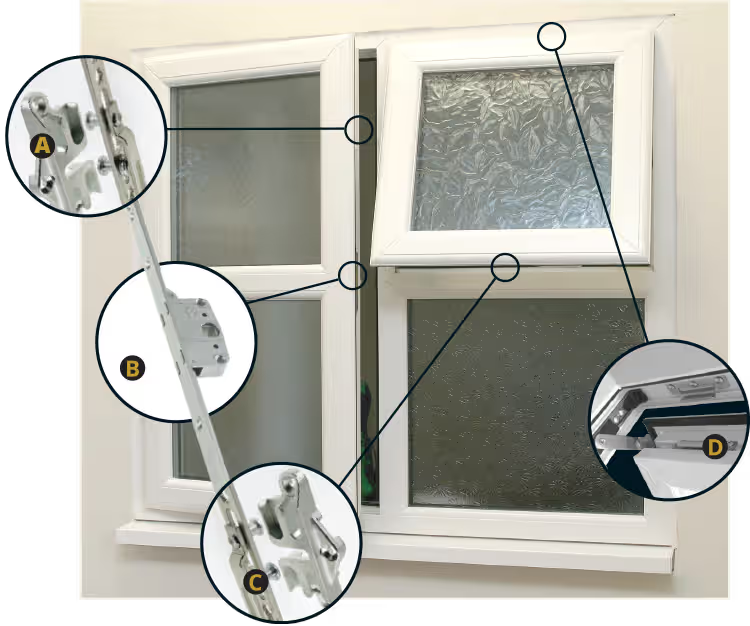
Composite entrance systems are typically configured with full-height locking engagement and reinforced keeps for stronger resistance at key points.

Where needed, tested upgrade pathways can be scoped during survey to align with specification-led security and compliance requirements.
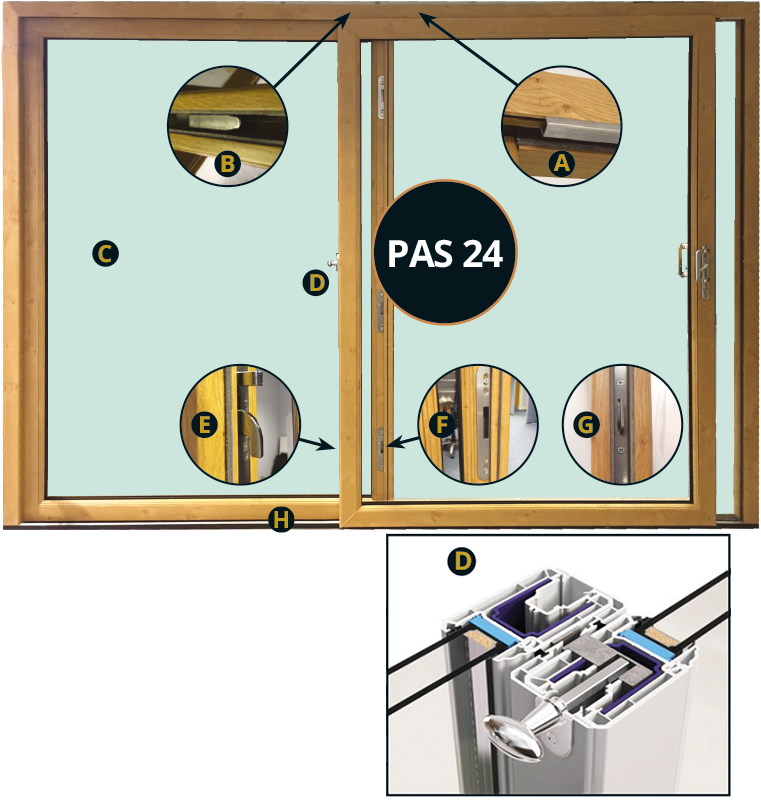
Enhanced cylinder options and laminated glass combinations can be specified to support stronger resistance against common attack methods.

Selected door hardware pathways can be prepared for status monitoring so lock checks and alerts are easier to manage daily.
A clear process keeps everything predictable: survey, specification, installation and documentation-led handover with practical aftercare.
Step 1
We assess your existing frame, measure accurately and discuss security, style and threshold priorities before recommending any route.
Step 2
Your quote covers slab style, glazing, threshold format, hardware and finish options so you can compare choices clearly.

Step 3
Installers remove the existing unit, fit and align your new composite system, then complete weather sealing and final checks.
Step 4
You receive practical use guidance, maintenance advice and guarantee documents, with responsive follow-up support when needed.
Ready to get started?
Get a fast, tailored quote with clear options on style, glazing, threshold and security upgrades so you can move forward with confidence.
Straight answers to common planning, specification and installation questions before you commit.
Composite doors are usually chosen for stronger slab construction, broader design flexibility and premium-feel hardware options. uPVC can still be a practical route for lower upfront budgets. We help you compare both during survey.
Yes. We can scope both pathways depending on security targets, finish preferences and budget. Final recommendations are made after measuring your opening and reviewing your brief.
Many current pathways target around 1.4 W/m2K, with lower values available on selected upgraded specifications. Real-world outcomes depend on slab build, glazing detail and installation quality.
Yes. Where required, we can review hardware, glazing and lock upgrades that align with PAS 24 and Document Q focused project requirements.
Yes, on selected systems. We review floor levels, access priorities and weather exposure to confirm the most suitable threshold option for your property.
Lead times vary by specification and finish. After survey, we provide a clear schedule covering manufacture, installation day and final handover so expectations stay clear.
Compare routes, review practical guidance and move to quote when you are ready.
Explore Door Types
Compare composite doors with front, back, French, patio and bi-fold routes before you finalise your opening style.
Materials
Review GRP composite routes if you want a practical balance of durability, style options and long-term value.
Guidance
Use our buying guide to compare security, thermal, style and budget factors before committing.
Next Step
Get measured recommendations and straightforward pricing with clear options on style, glazing and security.