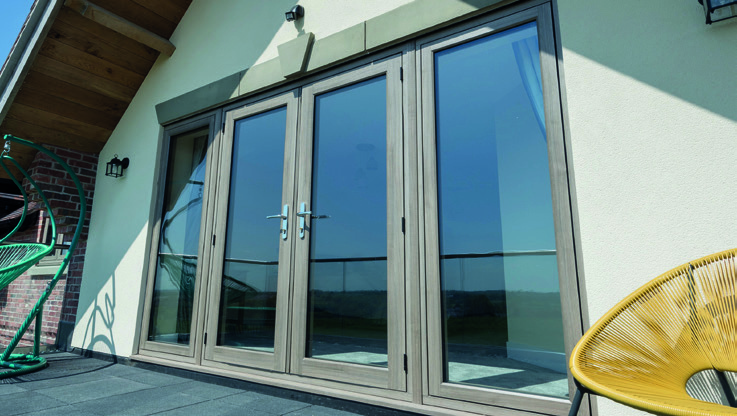
Stronger Rear-Entrance Security
Back doors are often the most frequently used entrance. Modern frame and lock specification can significantly improve day-to-day security at this key access point.
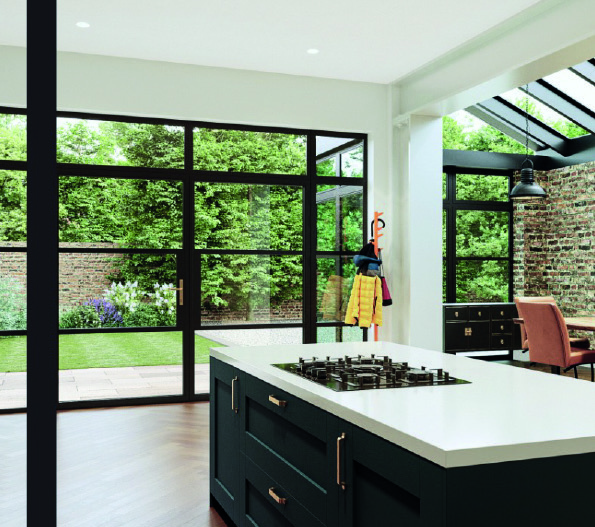
Homebrite Doors
Upgrade your rear entrance with a made-to-measure back door designed around practical security, weather performance and the style of your home.
Rear entrances handle frequent daily traffic and can be a key vulnerability point if older door systems are left in place. A modern back door upgrade improves security, comfort and appearance in one project.
Back doors are often the most frequently used entrance. Modern frame and lock specification can significantly improve day-to-day security at this key access point.
A correctly specified back door helps reduce draughts around busy family zones, supporting more stable indoor temperatures through the year.
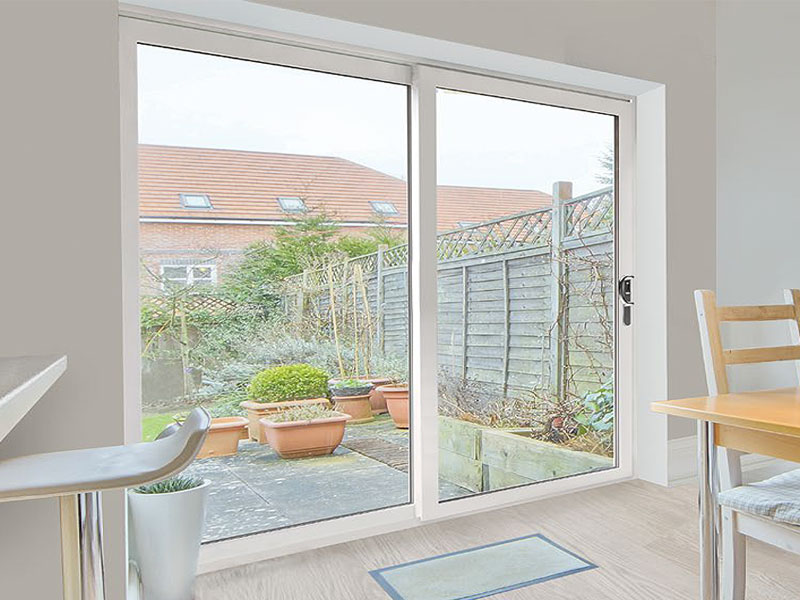
Current back door systems are designed for repeated use, easier cleaning and long-term weather resistance across the changing UK seasons.
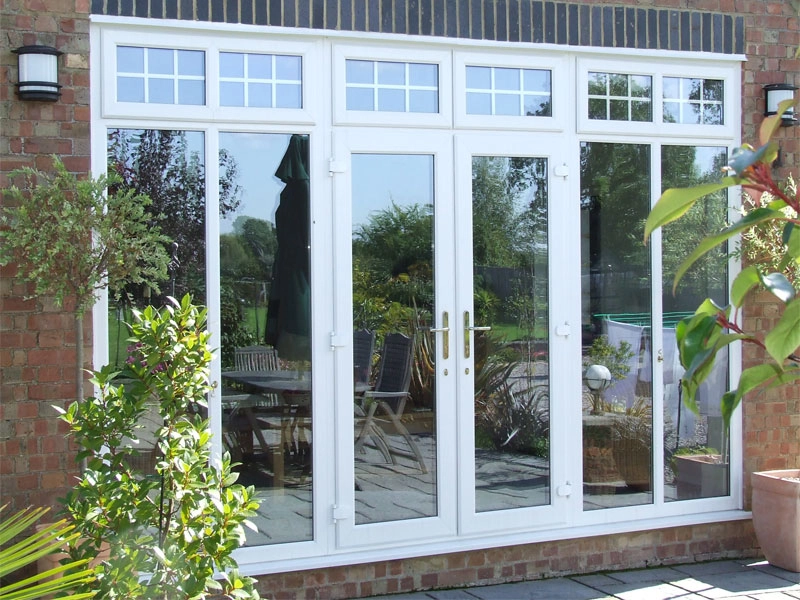
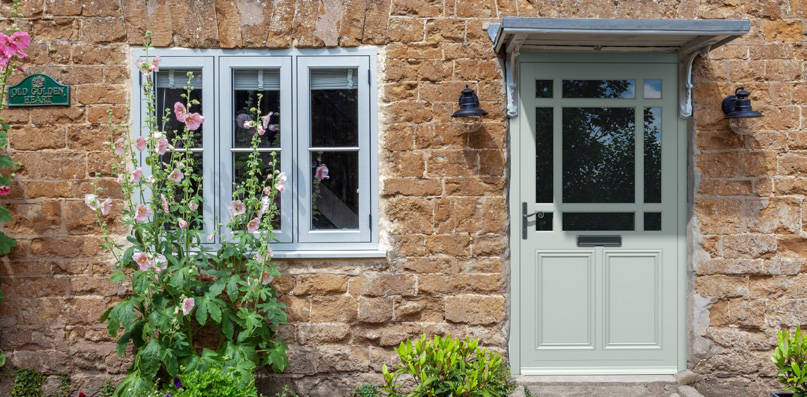
From modern anthracite finishes to classic white and woodgrain effects, back doors can be matched to your existing windows and wider property style.
We help you compare materials based on maintenance preference, security needs, finish options and thermal priorities before final specification.
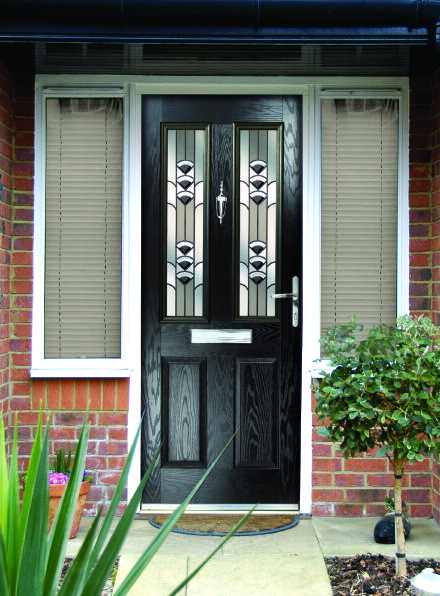
A practical route for low upkeep, reliable insulation performance and wide finish flexibility across most residential projects.
Explore this option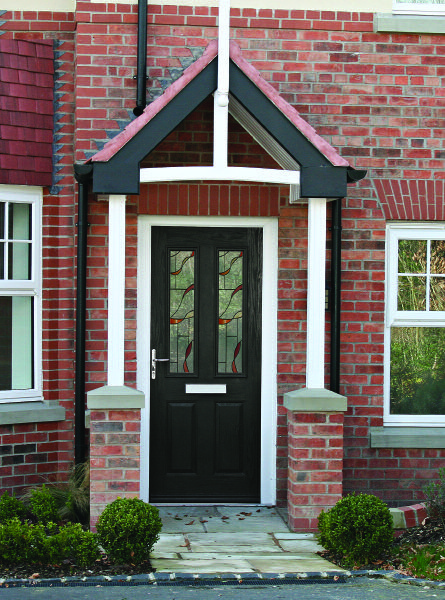
Composite construction combines robust slab strength with insulation-focused cores for secure and durable daily rear-door use.
Explore this option Slim, strong aluminium systems support clean modern lines, dependable weather performance and refined hardware detailing.
Explore this option
For period-sensitive homes, timber and timber-look options bring warmer traditional character with modern sealing and glazing pathways.
Explore this optionBack door recommendations are built around practical outcomes: warmer internal spaces, reliable weather resistance, quieter rooms and stable daily operation.
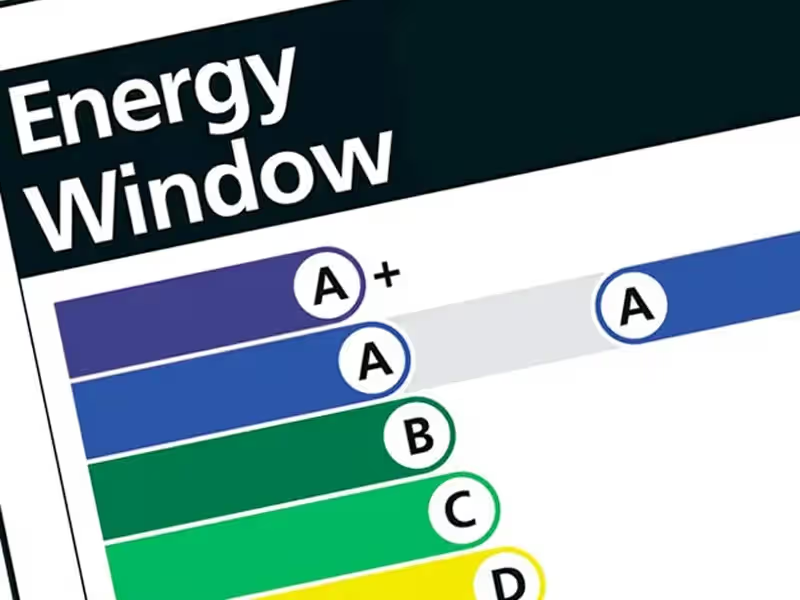
Representative back-door pathways include compliant U-value routes around 1.4 W/m2K with double glazing and lower values on selected triple-glazed systems.
Learn more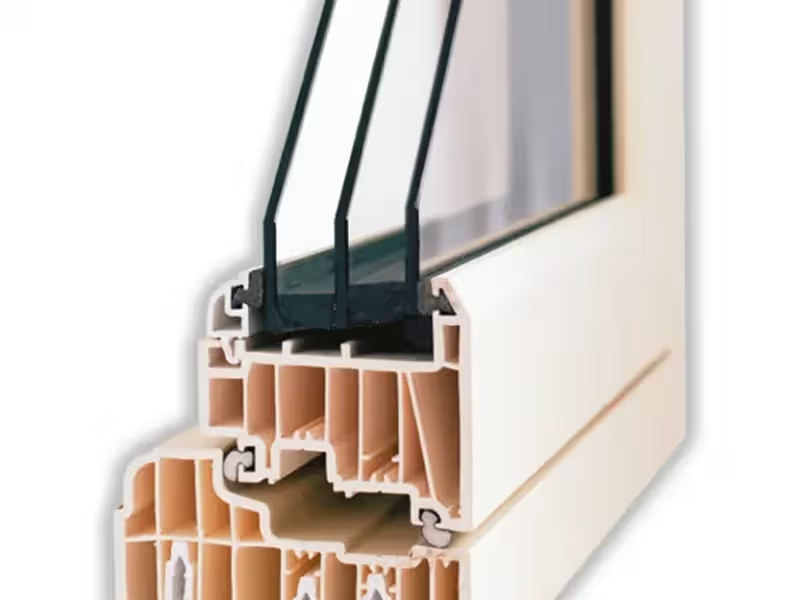
Back doors can be specified with glazing build-ups matched to comfort priorities, exposure conditions and project compliance requirements.
Learn more
Glass make-up, panel design and threshold detailing all influence rear-door noise control and day-to-day privacy around garden-facing rooms.
Learn moreFinal project performance is confirmed at survey and technical sign-off stage once exact opening, system and glazing choices are agreed.
A back door should work as hard as it looks good. We help you align colour, glass and hardware details so the final result suits both your routine and your property style.
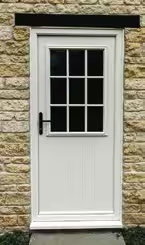
Coordinate your back door with existing windows, trims and masonry for a cohesive whole-home look from street to garden.
View options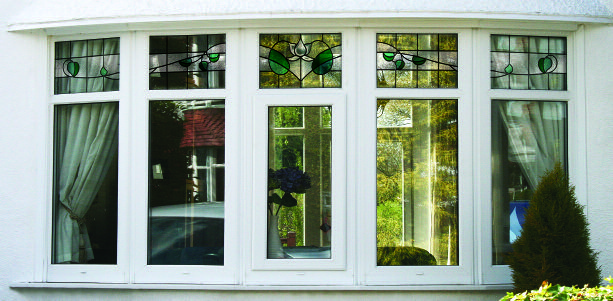
Patterned and privacy-led glazing options allow you to keep natural light while controlling visibility at key rear access points.
View options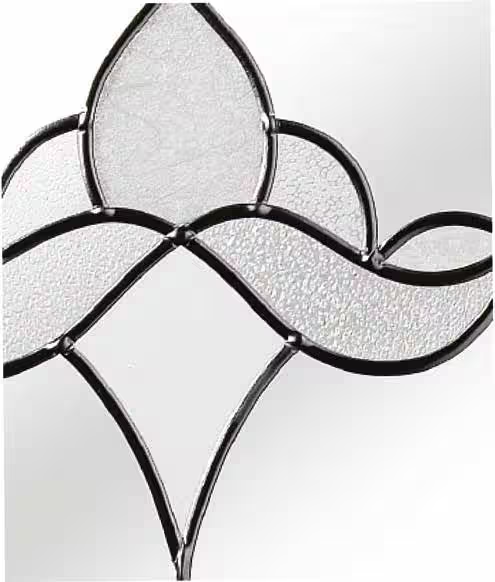
Hardware choices complete both appearance and operation, from practical daily handling to enhanced security-focused fittings.
View optionsRear-door security starts with practical baseline protection, then scales to enhanced compliance pathways where your brief requires tested upgrades.
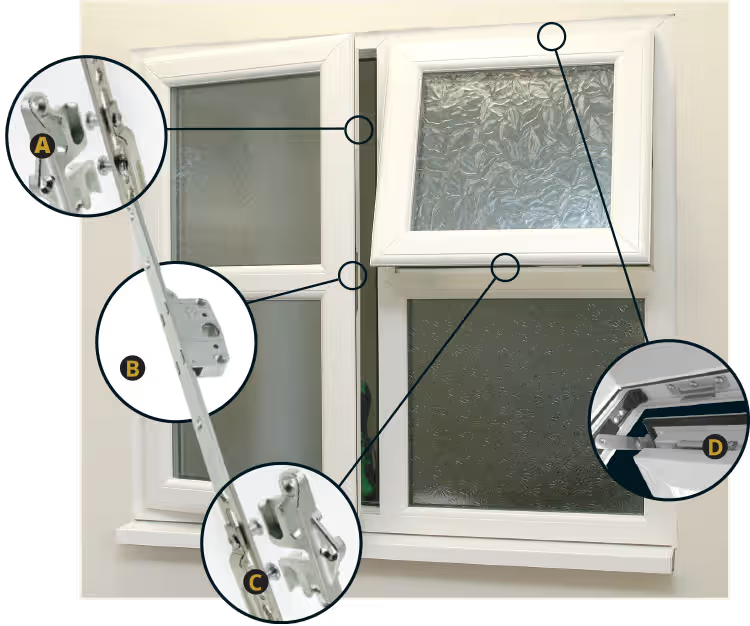
Modern back door systems rely on full-height locking engagement to improve resistance at the points intruders typically target first.

Where your brief requires tested compliance routes, we can scope enhanced hardware and system combinations during survey.
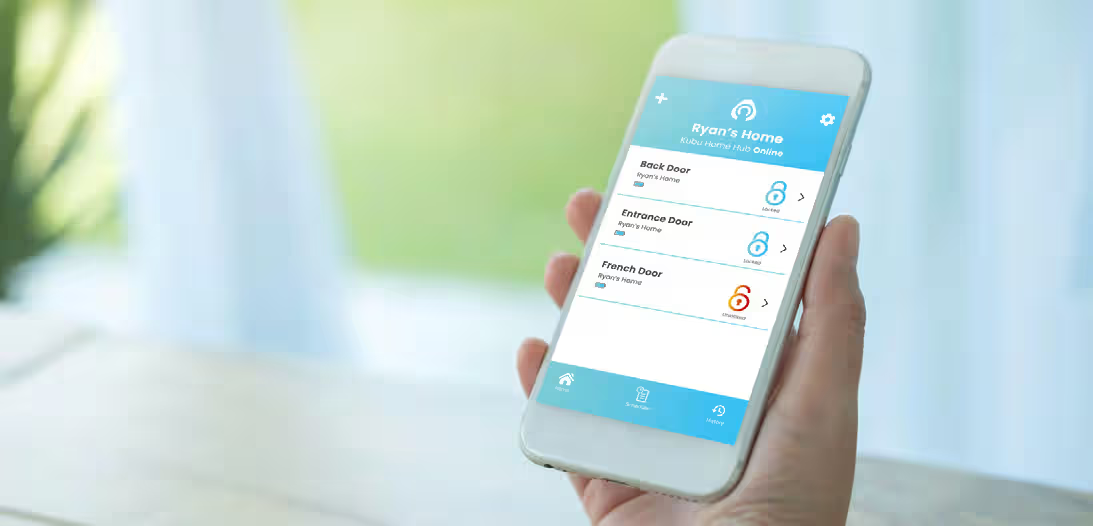
Selected door hardware pathways can be prepared for connected lock-state monitoring to support routine household security checks.
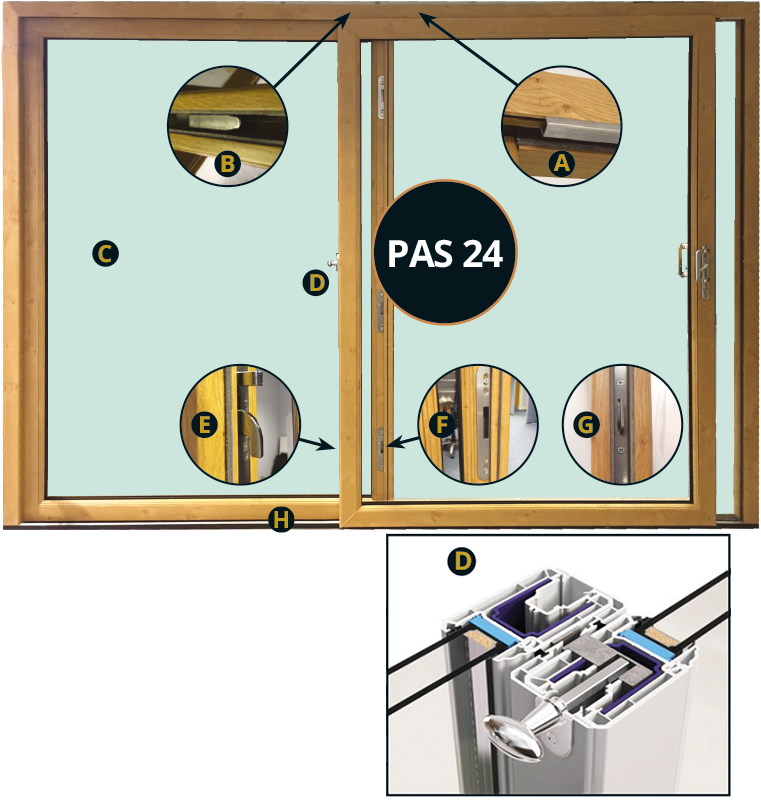
After installation, you receive complete documentation for operation, care and guarantee cover so expectations stay clear long term.
A clear process keeps your project predictable from first survey to final handover.
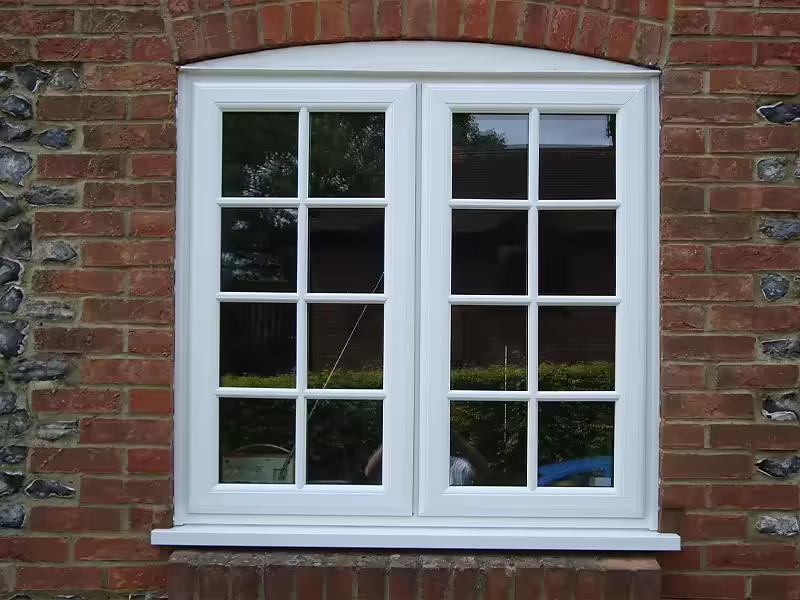
Step 1
We review your existing rear opening, daily usage pattern, threshold requirements and style goals before recommending systems.
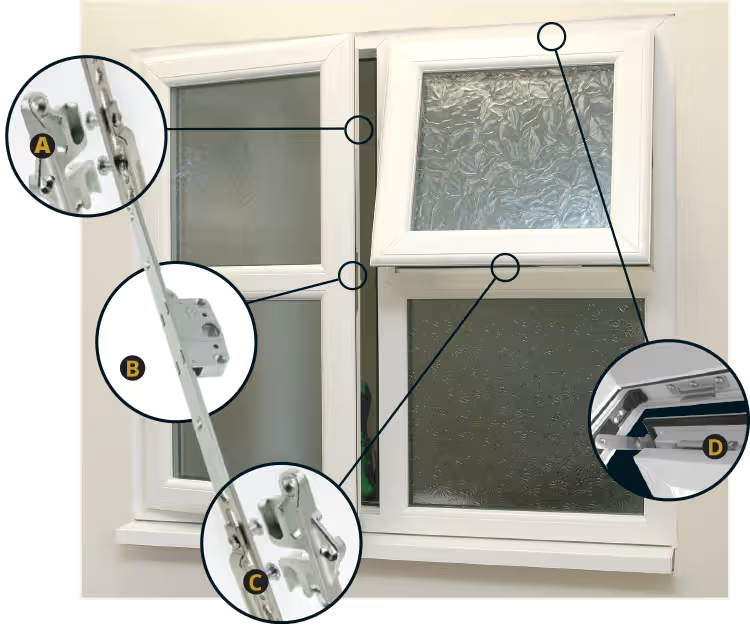
Step 2
Your quote breaks down material, glazing, hardware, security route and finish options so you can compare choices confidently.

Step 3
Installers remove the old unit, fit your new back door accurately, and complete weather sealing and operational checks.
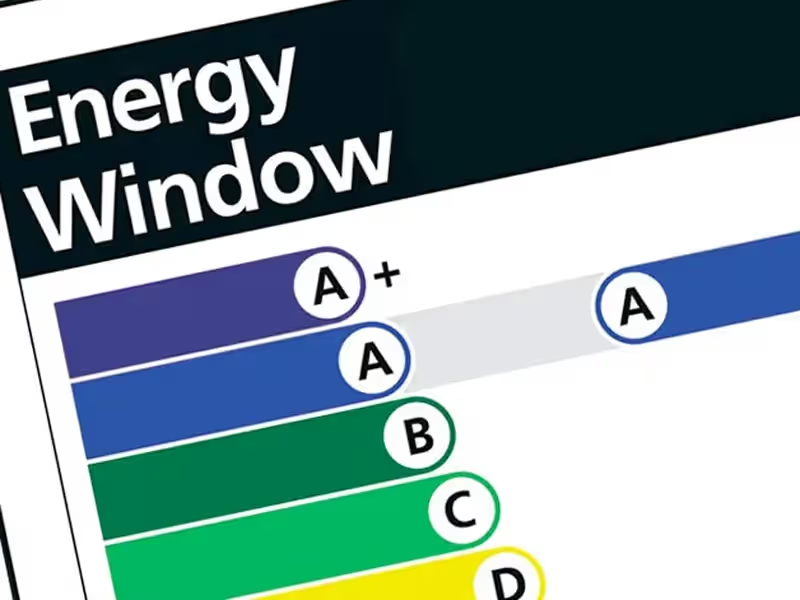
Step 4
We hand over operation guidance, care advice and guarantee details, with responsive support available after completion.
Ready to upgrade your rear entrance?
Get a tailored quote with clear options on material, glazing, security upgrades and final finish so you can make a confident decision.
Common questions on back-door materials, security, glazing and installation planning.
Common pathways include uPVC, composite, aluminium, and timber-style systems. During survey, we help you compare upkeep, security priorities, thermal performance and budget.
Yes. Multi-point locking is standard, and enhanced pathways aligned with PAS 24 and Document Q can be discussed where project requirements call for them.
In most cases, yes. Modern slabs, frames, seals and glazing build-ups can reduce avoidable heat loss compared with ageing rear-door systems.
Yes. Double glazing is the standard route for many projects, while selected systems support triple-glazing upgrades where comfort and compliance targets justify it.
On selected systems, yes. We review threshold detail at survey stage to balance everyday access convenience with weather-performance expectations.
Most like-for-like replacements are permitted development, but listed properties and conservation areas may require additional consent checks before installation.
Lead times vary by system, glazing and finish. After survey, we provide a clear timetable covering specification sign-off, manufacture and installation.
Compare routes, review guidance and move to quote when you are ready.
Explore Door Types
Review the wider door-type range so your rear-door choice works with the rest of your property.
Security
Understand practical differences between baseline lock setups and enhanced compliance-led security pathways.
Design
Compare finish and glazing combinations to balance privacy, daylight and kerb-to-garden style consistency.
Next Step
Request a tailored quote with clear options on material, security, glazing and finish.