Statement Centre Section With Purpose-Built Wings
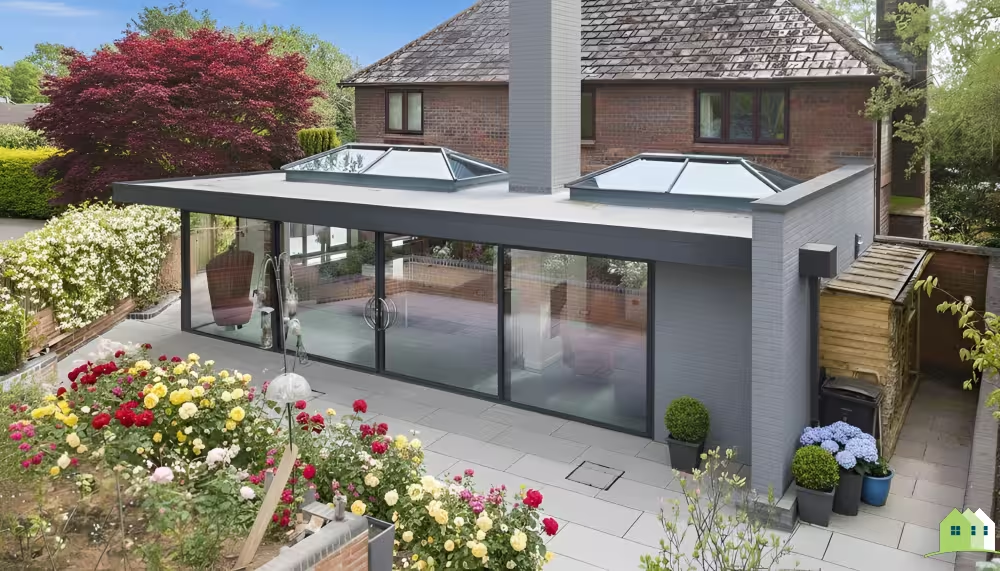
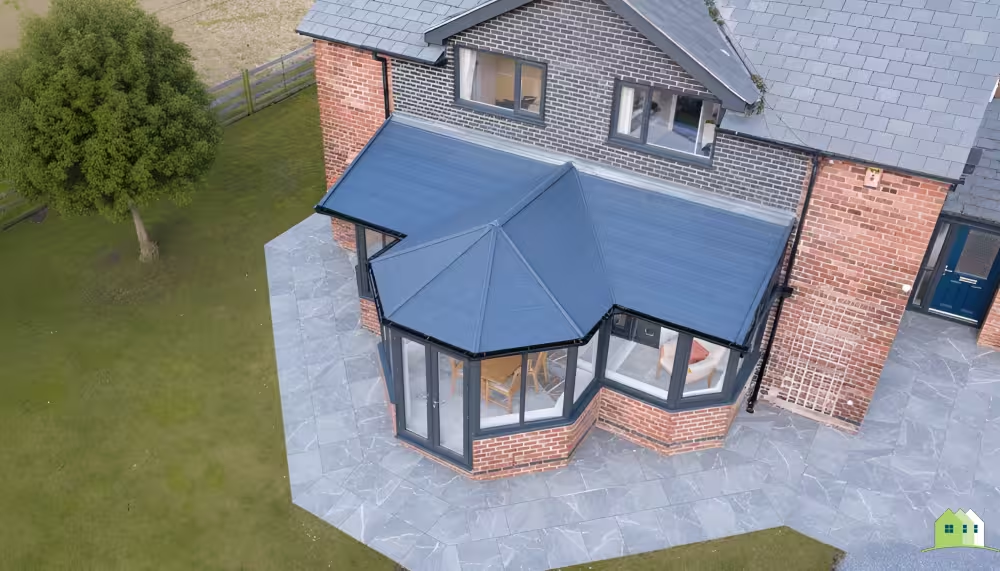
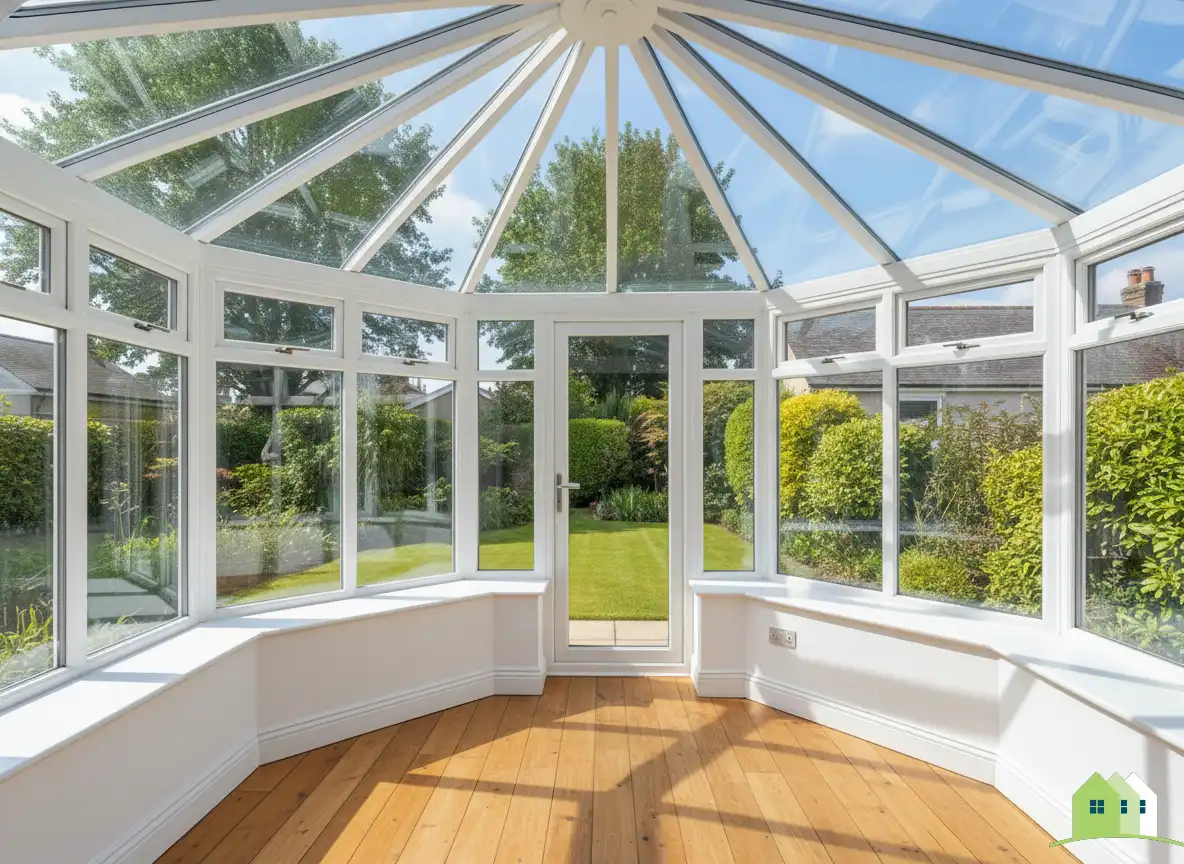
A T-shaped footprint creates a clear central projection for dining or lounge space, with side sections that naturally support additional uses without feeling disconnected.
Conservatory Specialists in Kent
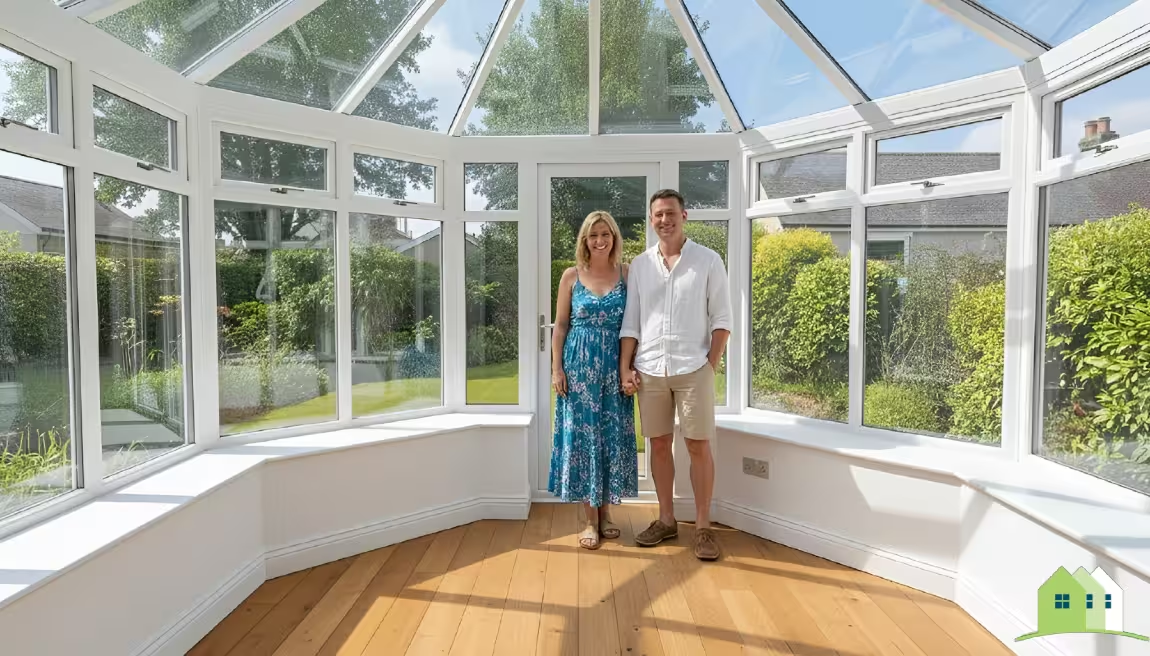
Create one connected extension with clearly defined living zones. Homebrite helps you plan layout, roof and glazing decisions so your new room performs every day of the year.
T-shaped layouts work especially well where you want bigger footprint performance without losing structure. The central projection defines the main room, while side sections support additional uses with natural flow.
A T-shaped footprint creates a clear central projection for dining or lounge space, with side sections that naturally support additional uses without feeling disconnected.
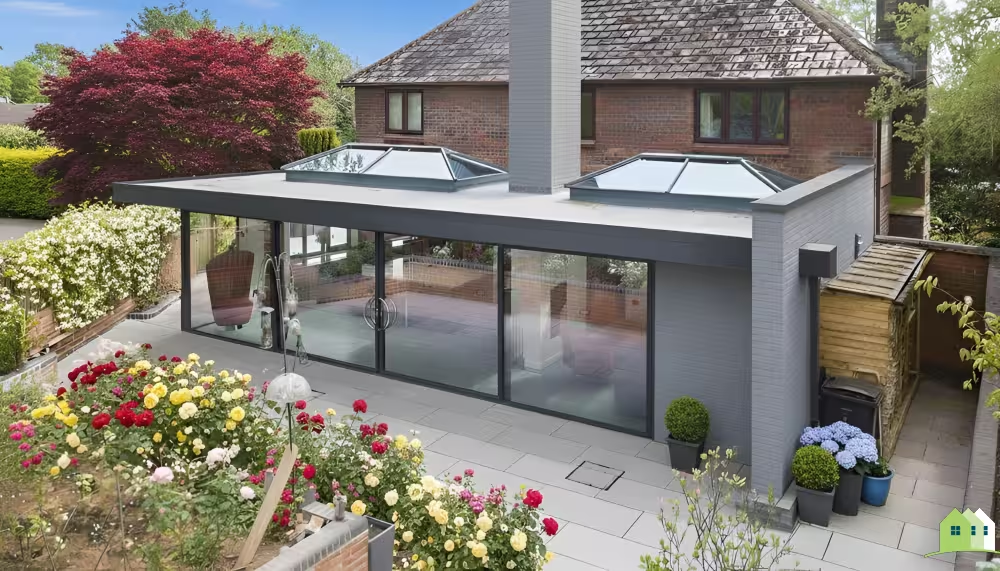
Where your home has usable width, a T-shape helps you extend across more of the rear elevation while preserving good circulation to doors, patios and garden routes.
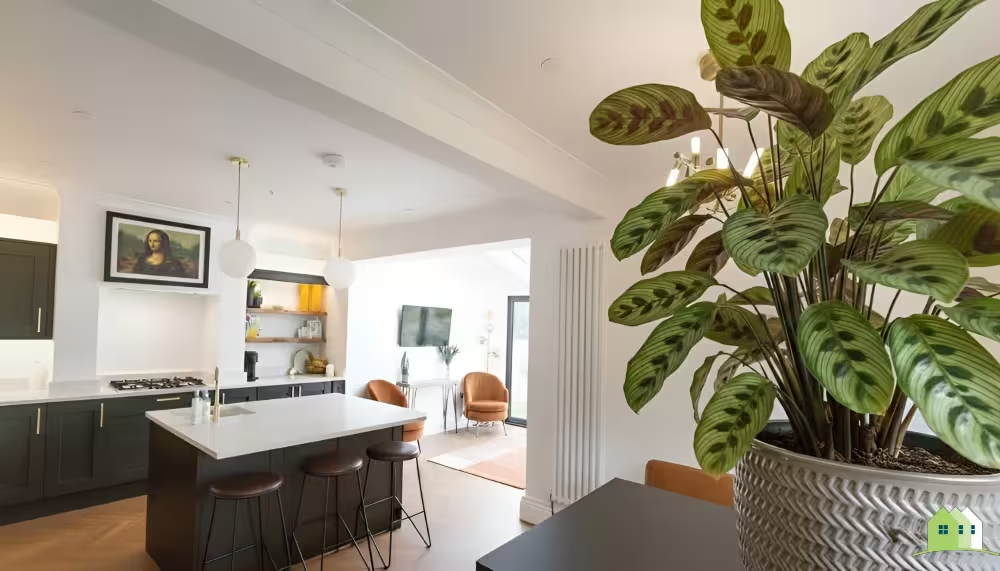
A larger glazed footprint can still feel practical when zones are planned around daily routines, furniture depth and natural pathways through the room.
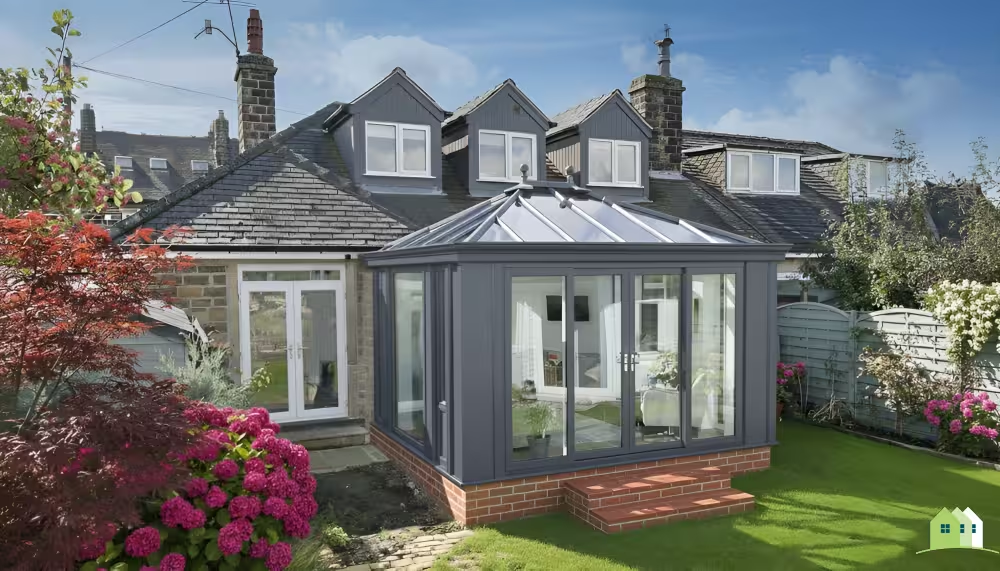
A T-shaped plan can support multiple activities in one connected extension, including dining, family living and quieter corners for focused work.
Large conservatories perform best when glazing, roof build-up and ventilation are chosen as one package. We use a specification-first process so the room feels as good as it looks.
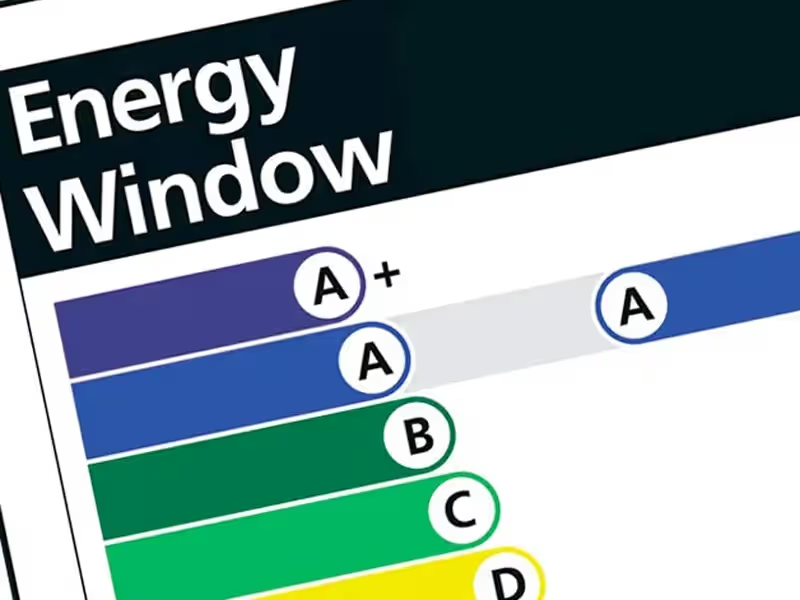
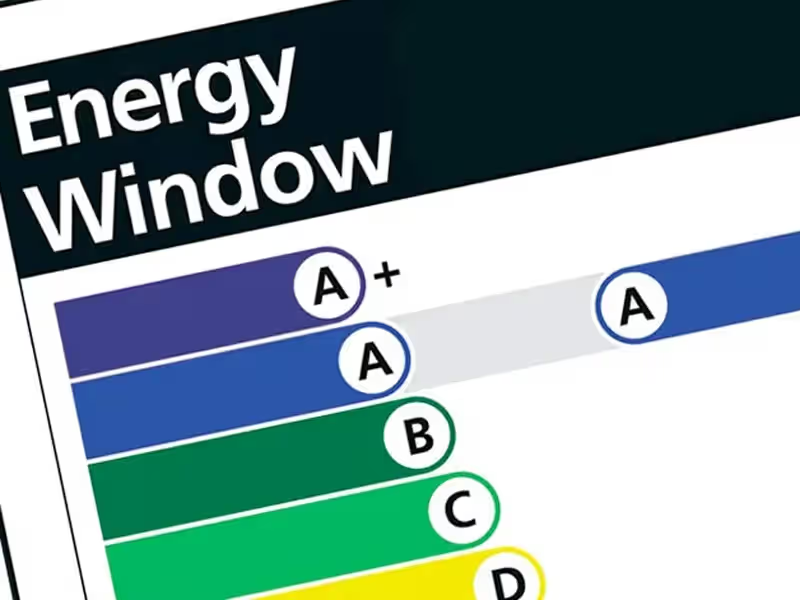
Frame system, glazing configuration and roof build-up are specified together so your T-shaped conservatory stays comfortable through winter and summer.

For exposed locations or brighter aspects, upgraded glass routes can reduce outside noise and improve daytime comfort without sacrificing natural light.
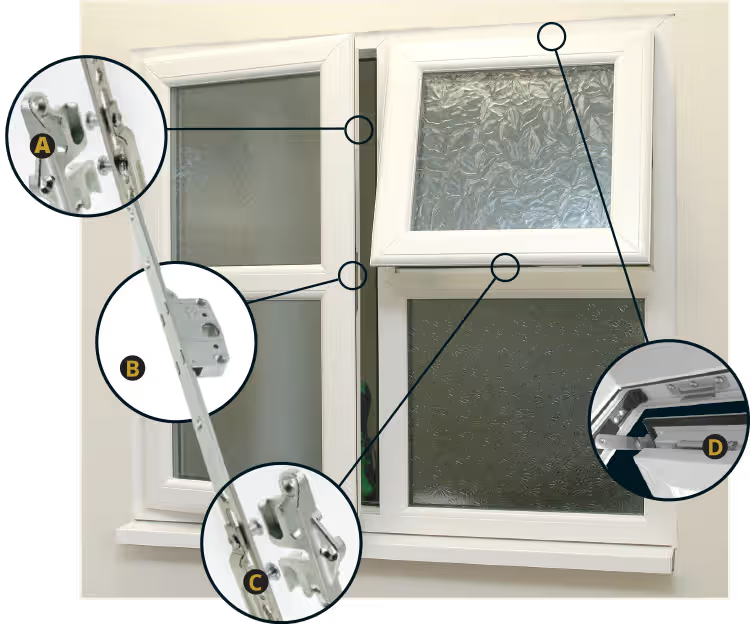
Locking hardware, hinges and glazing security upgrades are defined early so doors and windows align with your security priorities from day one.
A larger footprint can bring additional planning considerations, so we review dimensions, boundaries and local constraints before final design sign-off.
Comparing roof, finish and glazing directions early helps avoid compromise later. You can also compare this route with P-shaped and gable-end conservatory pathways.
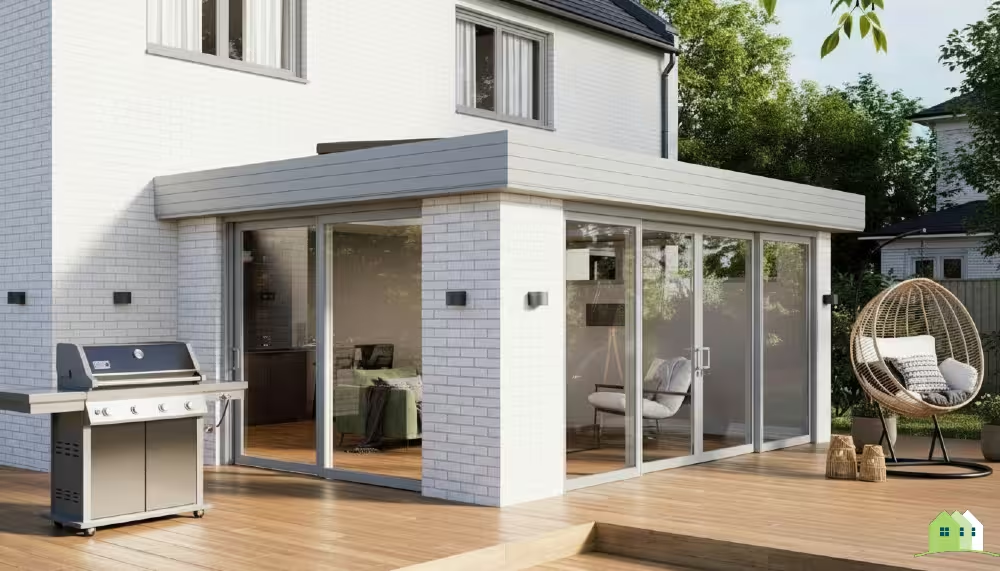
Choose a roof pathway around heat retention, glare control and how you want the extension to read from inside and out.
If an older conservatory feels too hot, too cold or too noisy, a replacement roof route can improve comfort without a complete rebuild.
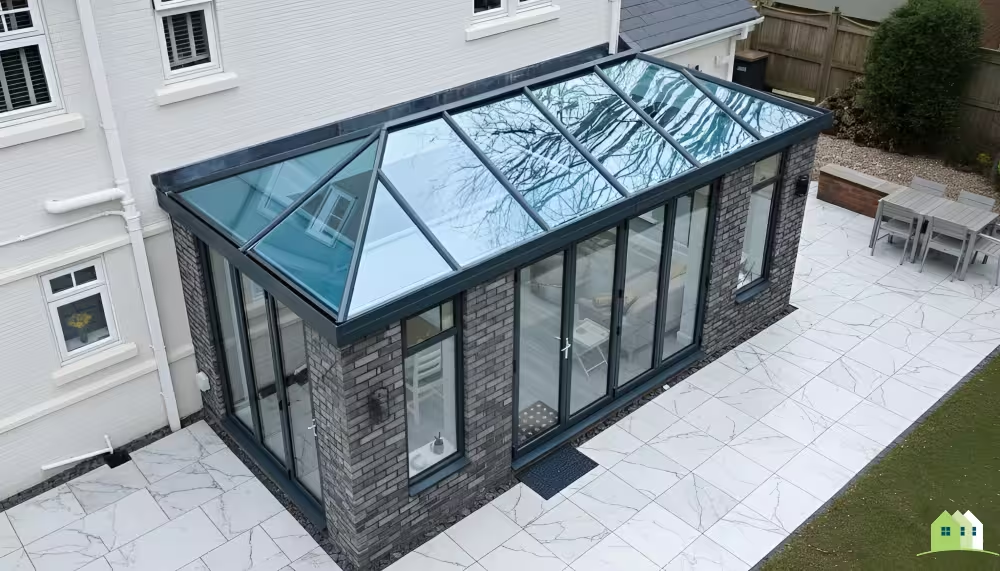
For a more extension-led appearance, combine insulated sections, roof lantern features and coordinated sightlines for a balanced final look.
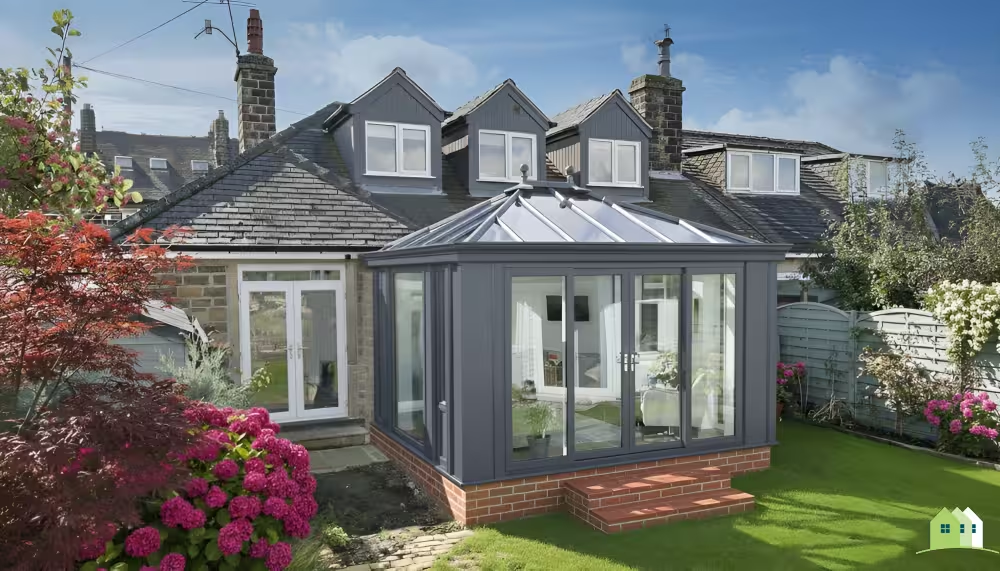
Align frame colours, bars, hardware and connected doors so the conservatory integrates cleanly with your home rather than feeling like an add-on.
These checkpoints reduce rework and help you lock in a specification that stays practical long after installation.
From first survey to final handover, each stage is structured to keep quality, timing and cost visibility aligned.
Step 1
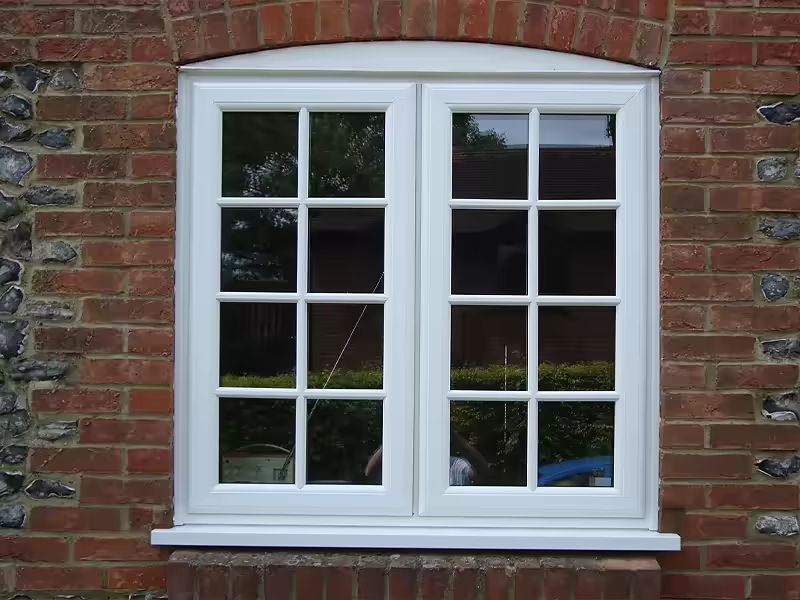
We assess your rear elevation, preferred room zoning and circulation goals so the T-shaped footprint supports how your household lives.
Step 2
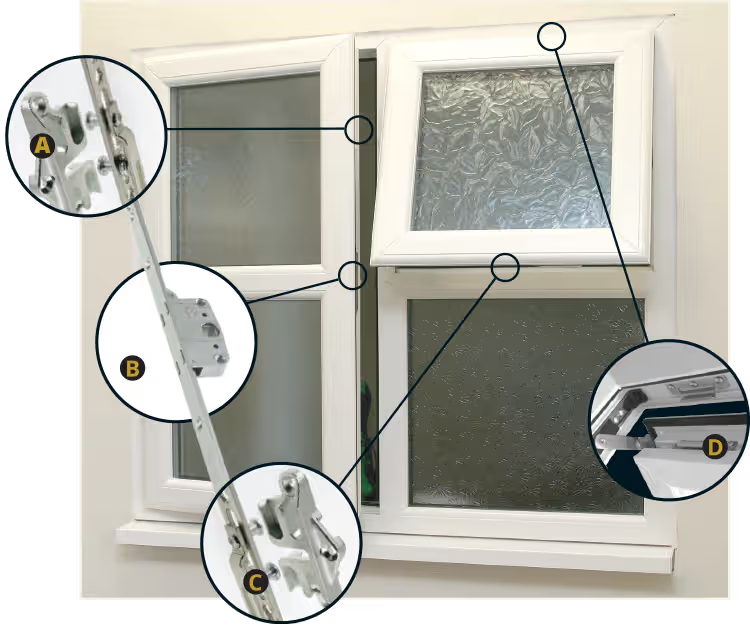
Your quote covers roof path, glazing route, security options, finishes and linked doors so each decision is clear before installation.

Step 3
Installation teams deliver the agreed sequence across structure, glazing, weatherproofing and finishing to keep quality and timescales aligned.
Step 4
After completion, we provide care guidance and guarantee documentation so you can maintain performance and appearance with confidence.
A T-shaped conservatory is best suited to broader rear elevations where you want one extension to support multiple uses, such as dining, lounging and family living, while keeping open circulation.
Both support zoning, but a T-shape typically emphasises a central projection with balanced side sections, while a P-shape usually blends a longer run with a rounded bay section.
Yes, when roof type, glazing configuration, ventilation and solar control are specified together for your orientation and occupancy requirements.
Some projects can fall under permitted development, but larger footprints often need closer checks. Always confirm limits and local constraints before finalising the design.
Yes. Frame finishes, hardware tones, glazing details and linked door options can be coordinated so the extension feels fully integrated with your existing property.
Start with the Instant Quote route, then we refine costs after survey measurements and final specification choices are confirmed.
Start with an instant estimate, then refine layout and specification through a survey-led quotation.