Defined Zones Without Closing Off Light
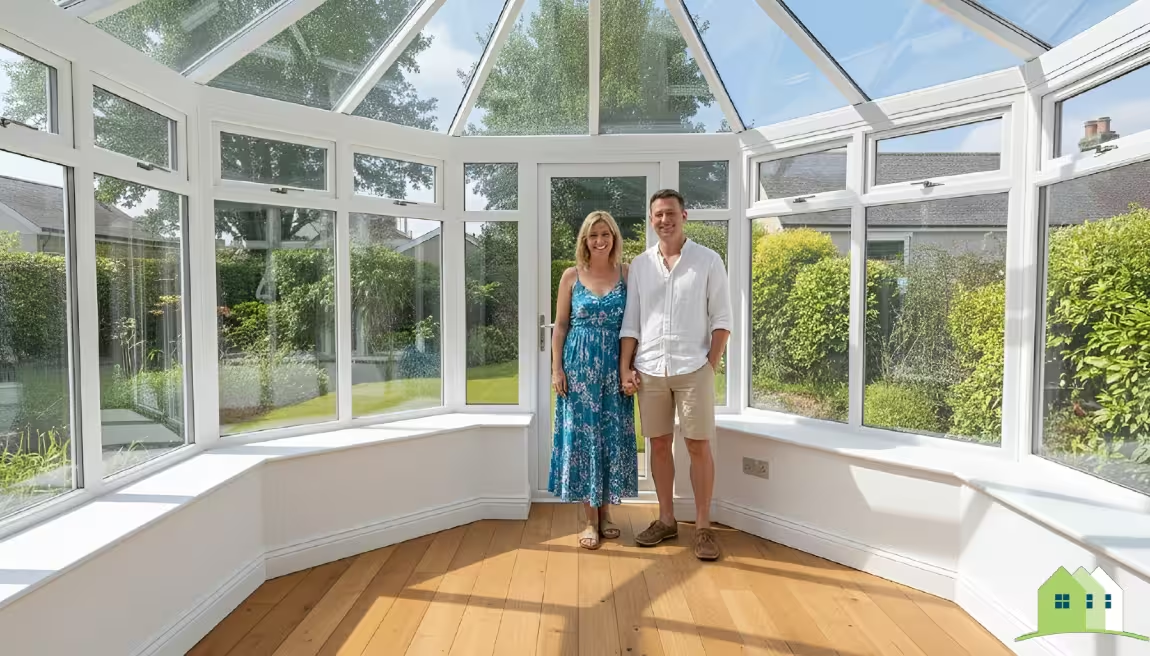
The longer section and curved bay section make it easier to separate dining, relaxing and family space while maintaining one connected room.
Homebrite Conservatories
Create one connected extension with practical zones for dining, relaxing and family use, configured around comfort and long-term performance.
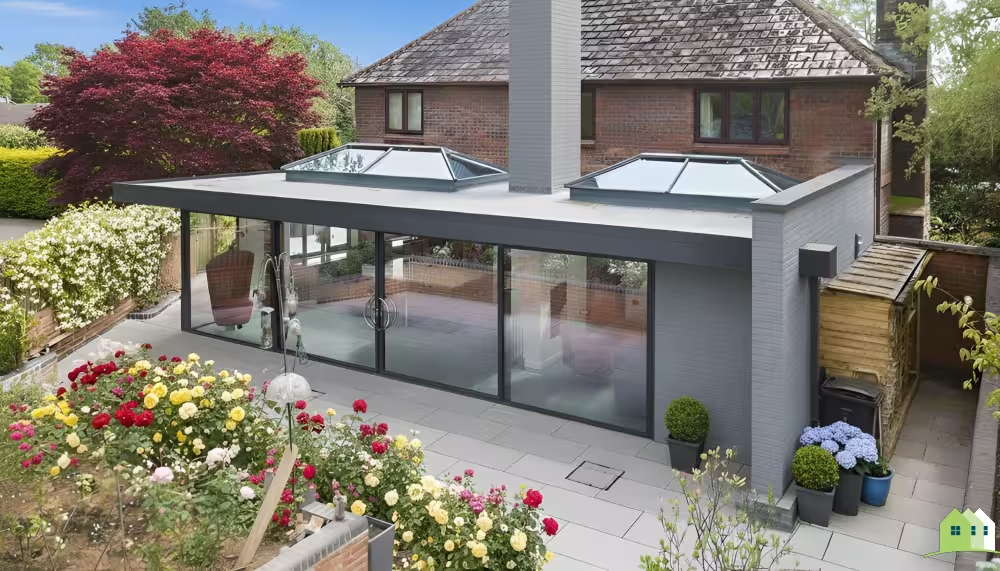
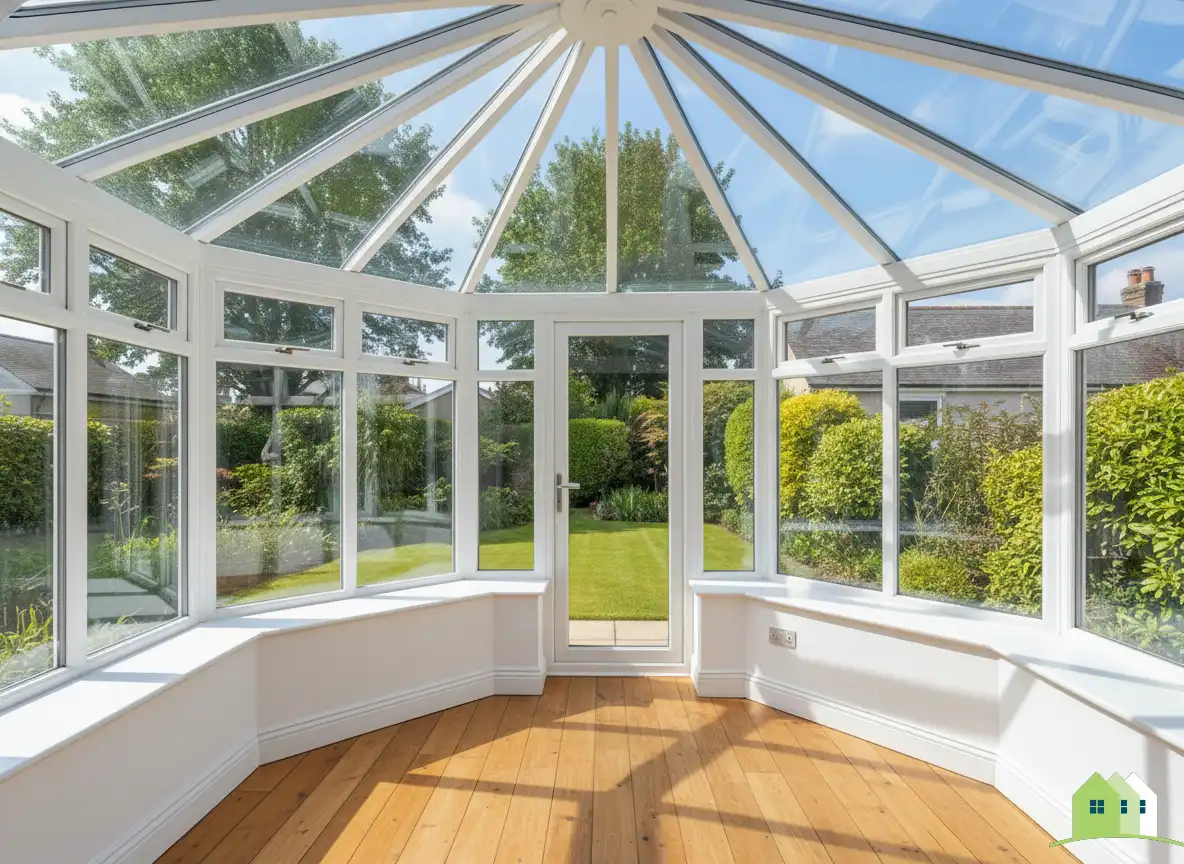
P-shaped designs combine the depth of a lean-to with the character of a faceted front, making them a strong option for larger footprints that need defined living zones.
The longer section and curved bay section make it easier to separate dining, relaxing and family space while maintaining one connected room.
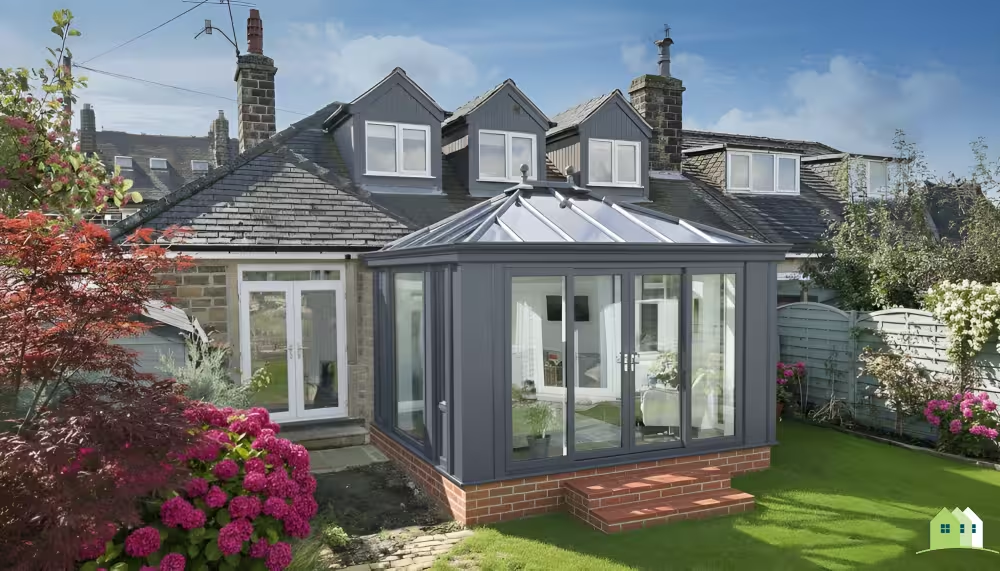
P-shaped builds are particularly useful on detached and wider properties where a smaller conservatory can look undersized or underused.
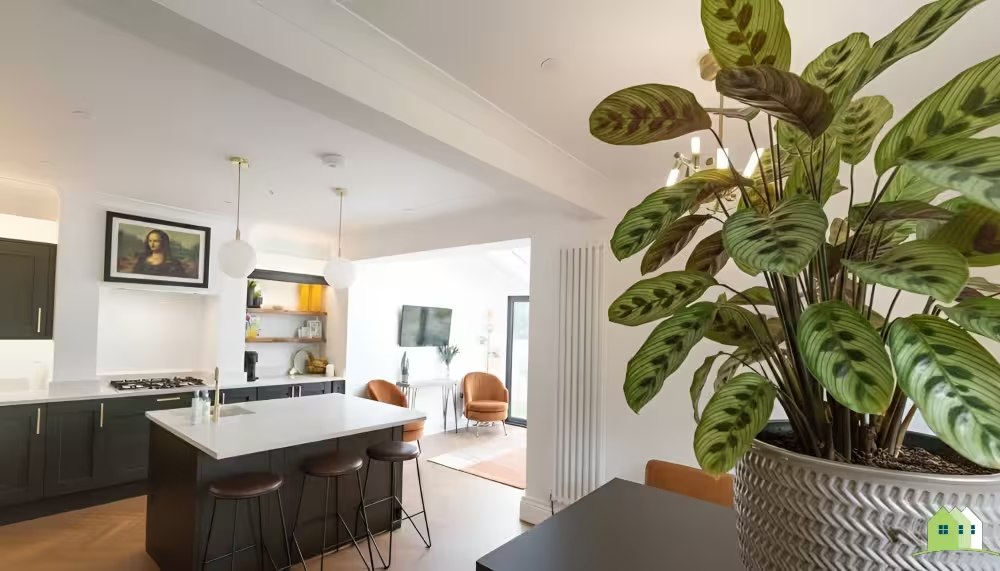
With good circulation routes and clear furniture planning, a P-shape can work as a practical day-to-day room instead of a seasonal overspill space.
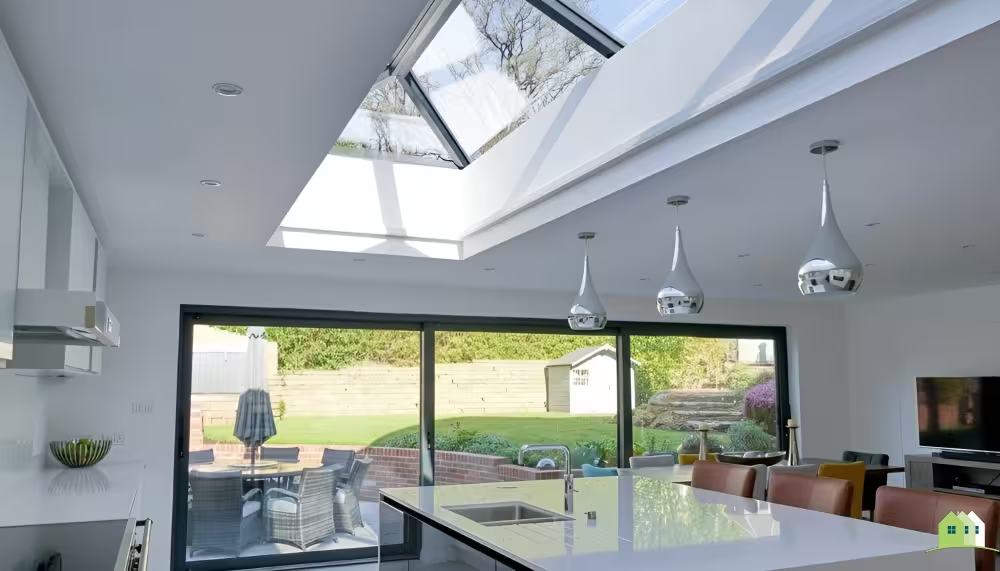
Frame design, doors, glazing and roof pathway are set around how your household uses the room, not forced into one off-the-shelf package.
Early specification decisions prevent compromise later. We map roof and finish pathways around room use, daylight control and the look you want from both garden and interior views.
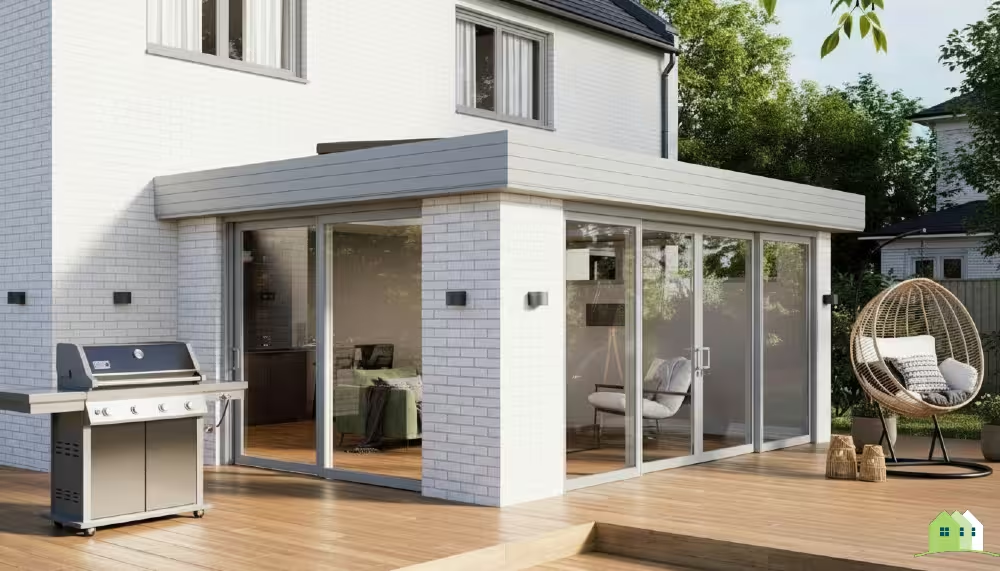
You can compare glazed, tiled-effect and mixed roof pathways to control glare, retain light and improve comfort throughout the year.
Compare roof options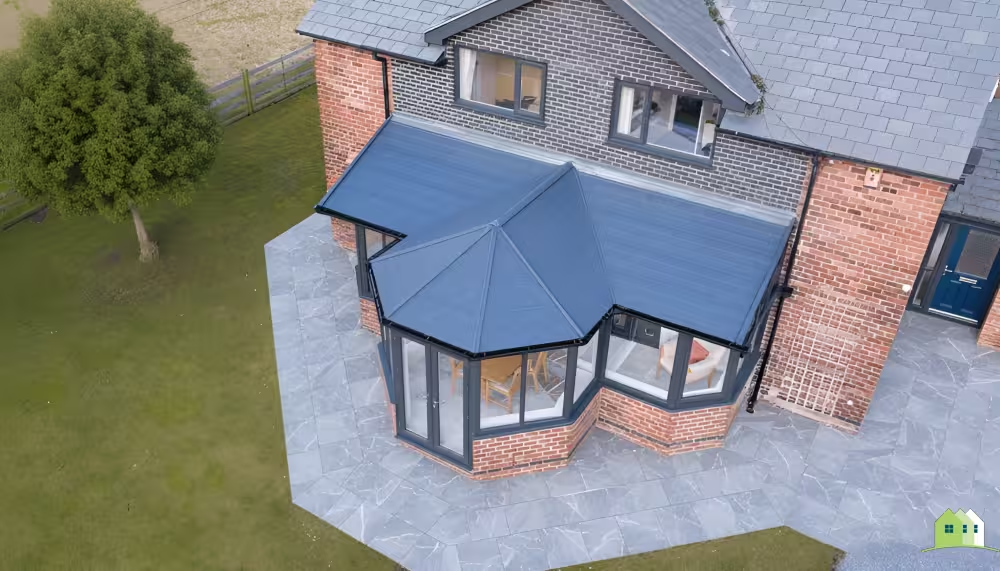
If your existing conservatory is too hot, too cold or too loud, replacement roof pathways can transform it into an everyday living space.
Explore replacement routes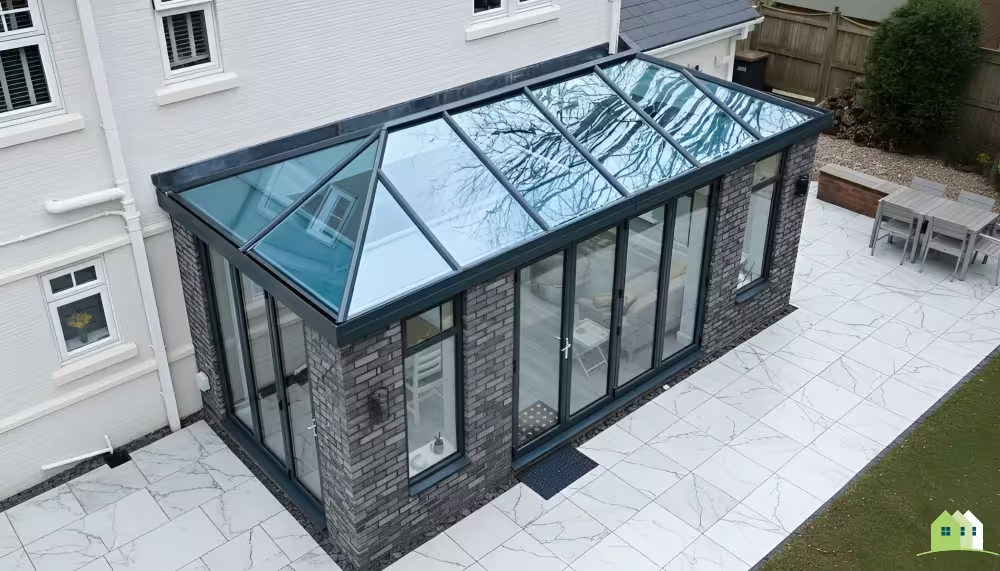
For a more extension-led look, we can combine insulated sections and roof lantern options while preserving good natural light levels.
See lantern pathwaysWe balance thermal comfort, noise control and daylight levels through joined-up roof and glazing decisions. You can also compare Victorian and lean-to pathways before final sign-off.
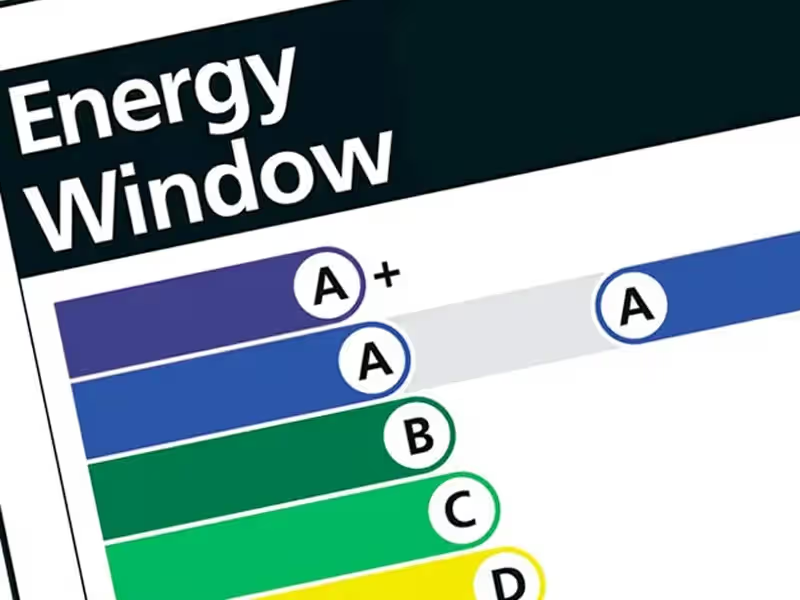
Glazing build-up, spacer choice and roof structure all influence overall thermal performance and how comfortable the room feels in daily use.
Read thermal guidance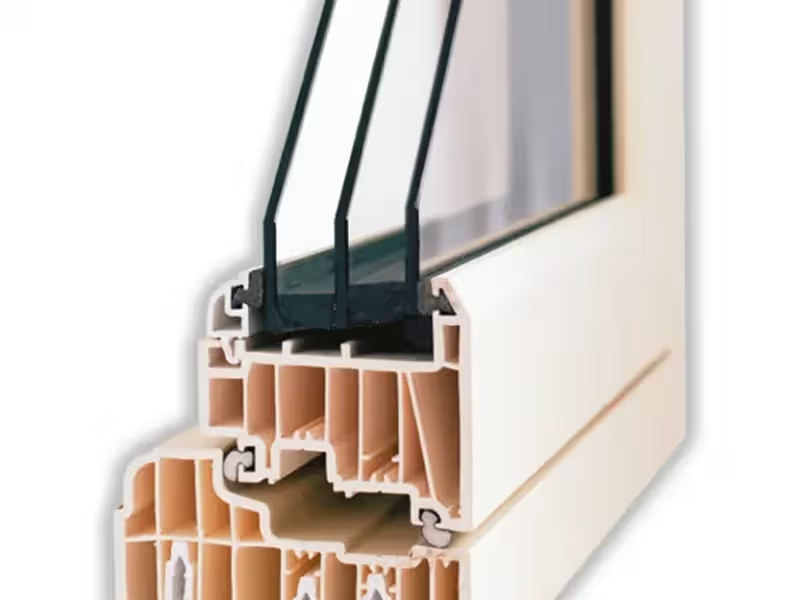
We scope glazing around orientation, exposure and occupancy so you can balance budget with measurable comfort improvements.
Compare glazing options
For busier roads or exposed elevations, acoustic and solar-control glazing options can improve comfort and reduce unwanted external impact.
View noise guidance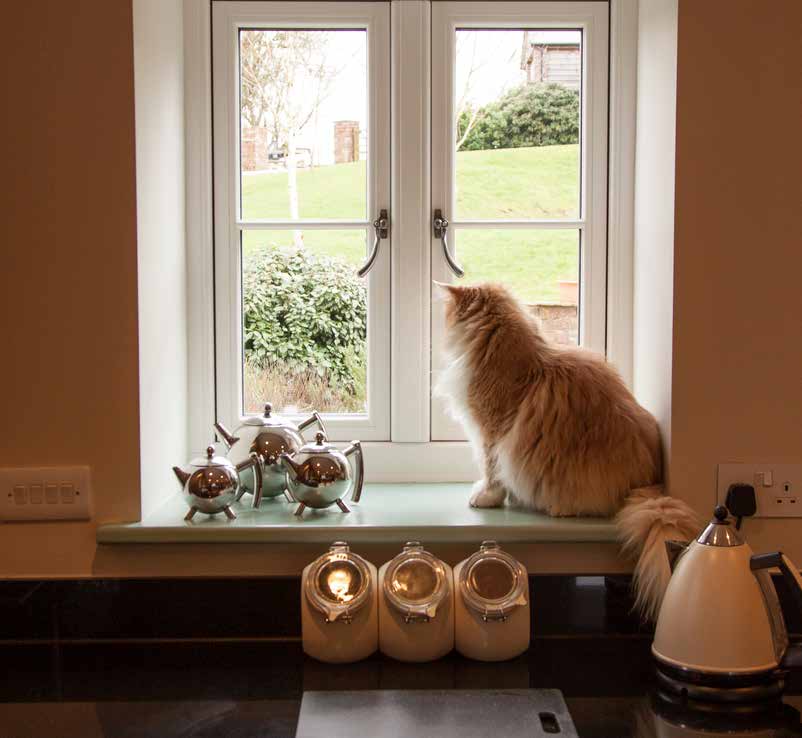
Boundary distances, property type and conservation context can alter your route, so early planning checks reduce redesign risk later.
Check planning considerationsA staged process keeps design, quoting and installation aligned so you can move from concept to handover without avoidable rework.
Step 1
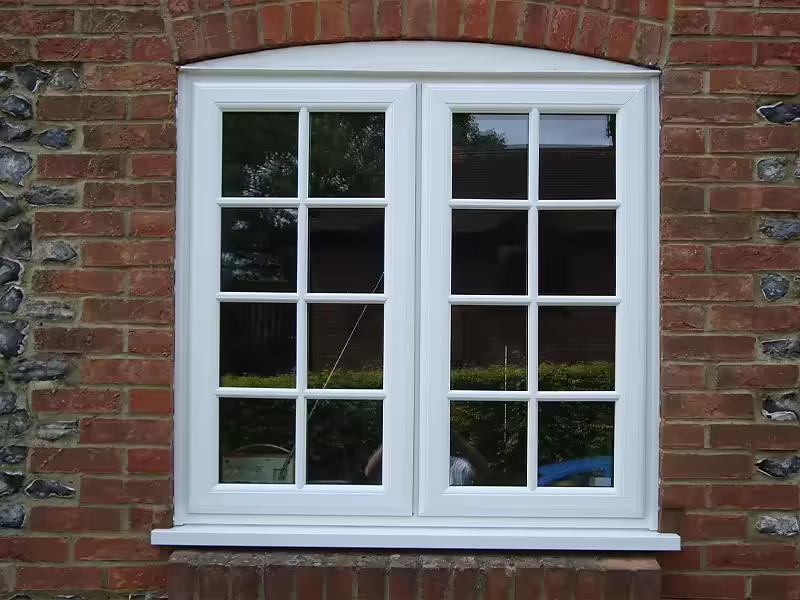
We review your rear elevation and map how you want to zone the room so the final shape supports daily use rather than just extra floor area.
Step 2
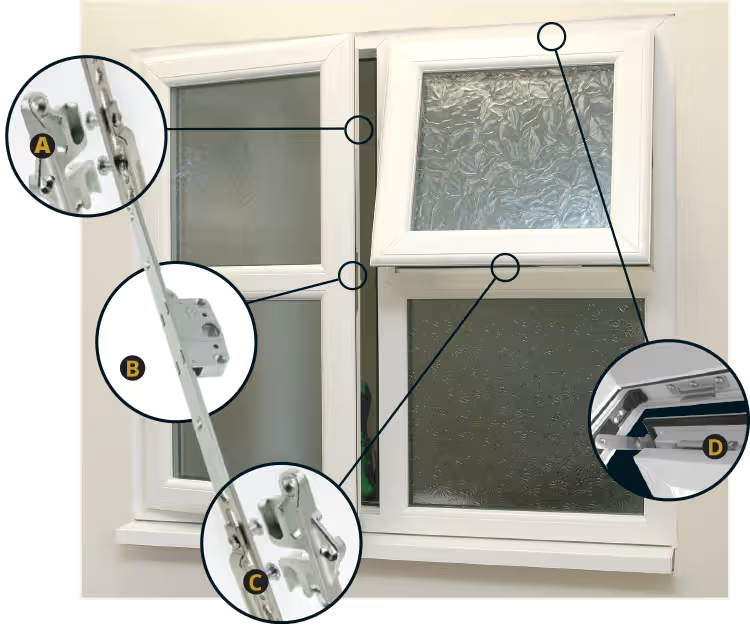
Your quote breaks down roof type, glazing route, doors, finishes and any planning considerations so decisions are clear before installation.

Step 3
Installation is sequenced to keep disruption manageable while maintaining quality across structure, glazing, roofing and finishing details.
Step 4
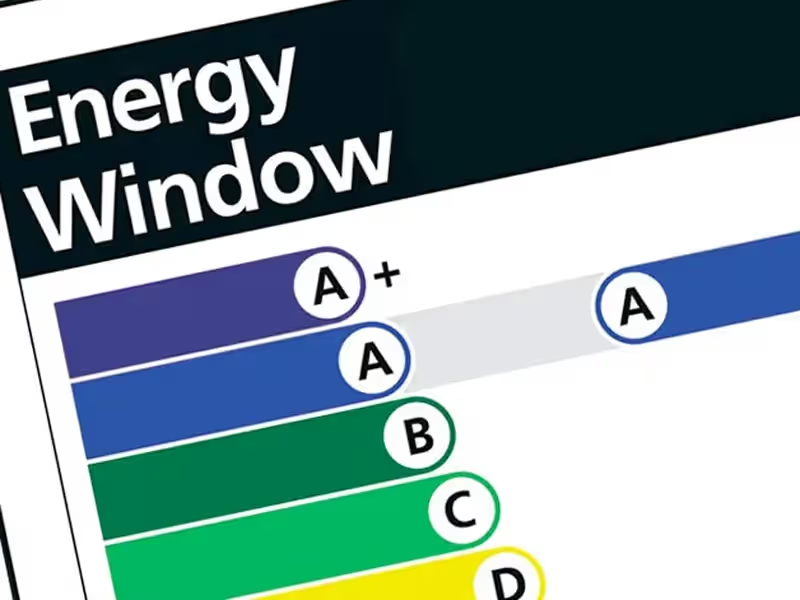
After completion, you receive care guidance and guarantee documentation so your new room remains reliable over the long term.
Straight answers on layout, comfort, planning and specification decisions.
P-shaped conservatories are usually best where you want one extension to do multiple jobs, such as dining, lounging and family activity, without building separate rooms.
Yes. Comfort depends on the overall specification, including roof route, glazing build-up, ventilation and installation quality. These choices are set at design stage.
Not only detached homes, but it generally suits wider rear elevations where the footprint can be planned properly. A survey confirms whether proportions will work on your property.
Typical pathways include glazed roof sections, tiled-effect upgrades and mixed designs with lantern elements, depending on daylight targets and thermal priorities.
Some projects can be covered by permitted development, but this depends on dimensions, boundaries, property type and local constraints. Always verify before work starts.
Yes. Frame colours, hardware tones, glazing details and linked doors can be coordinated to help the conservatory feel integrated with the rest of the home.
Next Step
Book a survey-led consultation and compare roof, glazing and layout options with practical guidance from the Homebrite team.
Use related guidance pages to finalise your specification and shortlist with confidence.
Guide
Compare form, glazing and roof pathways before committing to your final P-shaped specification.
Budget
See how shape complexity, glazing options and roof selections influence total project budget.
Specification
Review frame, glazing and roof combinations to align long-term comfort with your design goals.
Inspiration
Explore style directions, finish options and layout examples before your final survey appointment.