Practical Layout for Daily Use
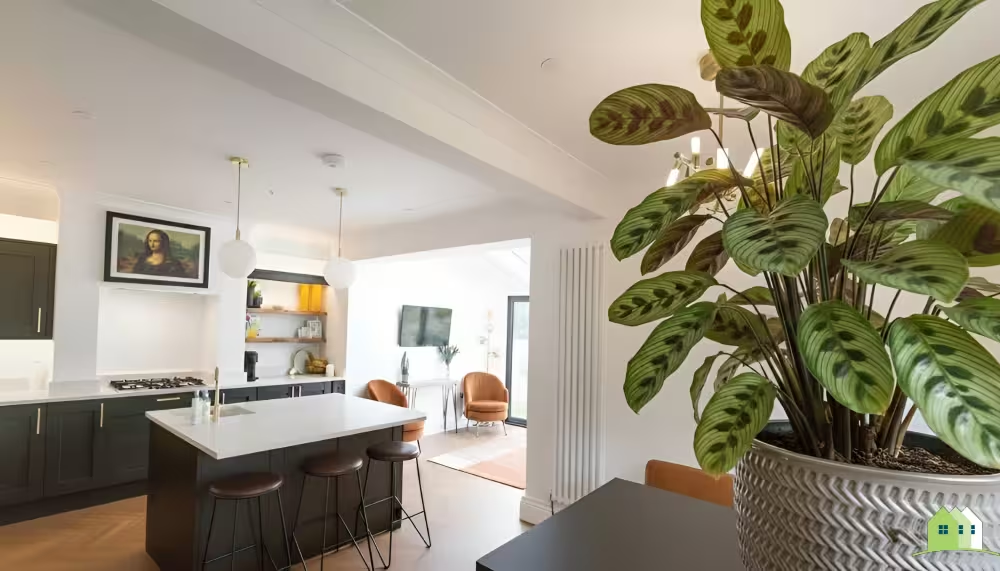
A lean-to footprint is straightforward to furnish for dining, relaxing, work-from-home setups or play space, without overcomplicating circulation.
Homebrite Conservatories
Build extra usable space with a lean-to conservatory configured around comfort, roof performance and day-to-day layout needs.
Lean-to designs remain popular because they add flexible living space without forcing complex structural geometry. They are especially useful where rear footprints are tight or roofline limitations need cleaner solutions.
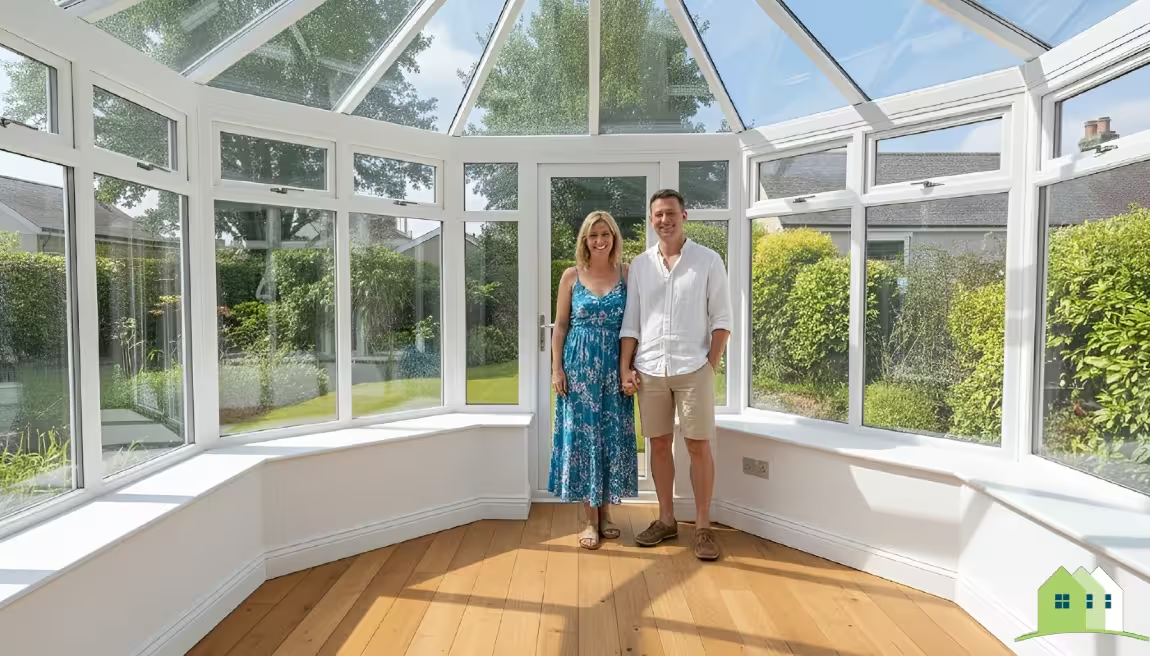
A lean-to footprint is straightforward to furnish for dining, relaxing, work-from-home setups or play space, without overcomplicating circulation.
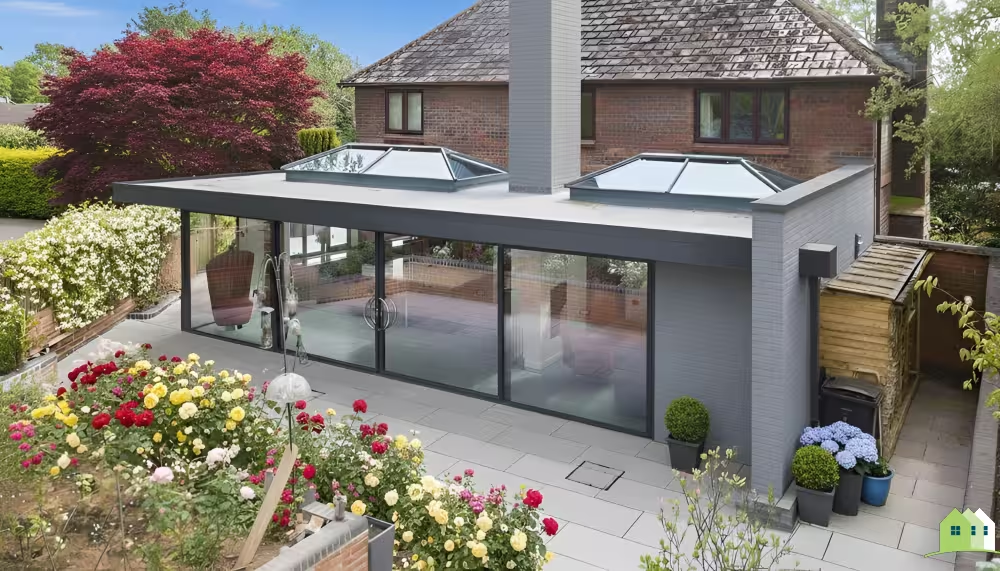
Clean roof lines and broad glazing can bring in high levels of natural light while keeping the structure visually balanced against the existing property.
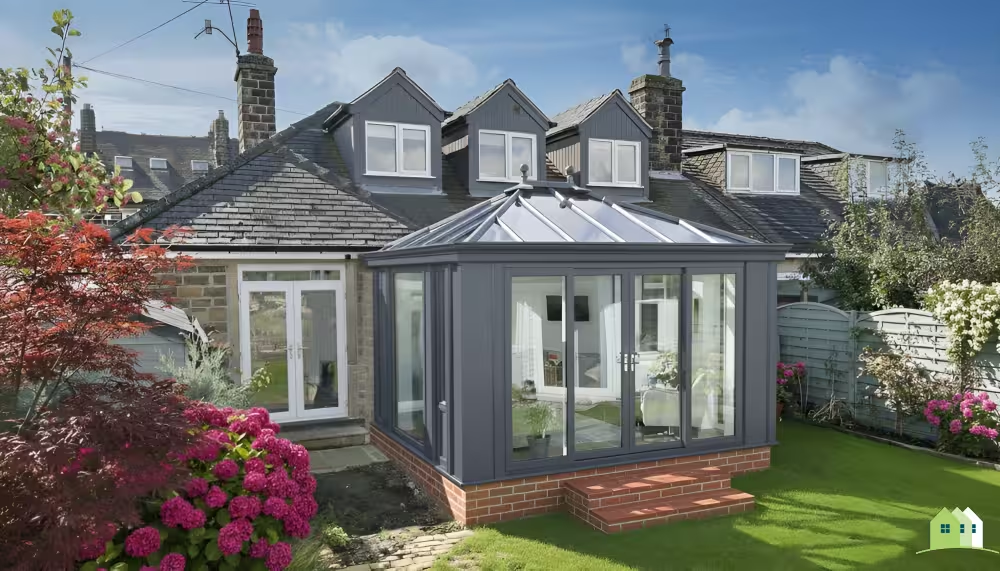
Lean-to designs work across period and contemporary homes when frame colour, bars, hardware and roof finish are coordinated properly at specification stage.
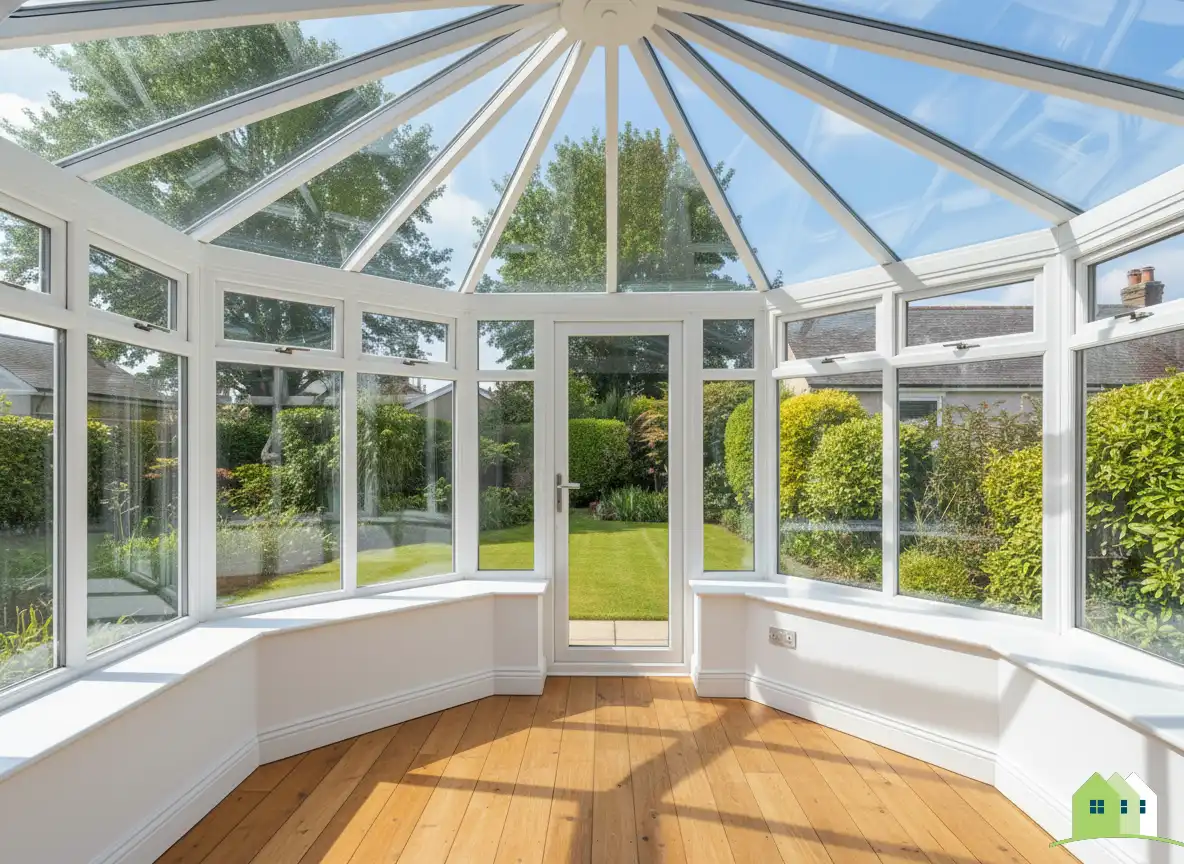
Current frame systems and glazing options are designed to keep routine upkeep simple while maintaining performance and appearance long term.
Your best outcome comes from comparing roof and finish pathways before final pricing. This avoids rework and keeps your project focused on how the room will actually perform once installed.
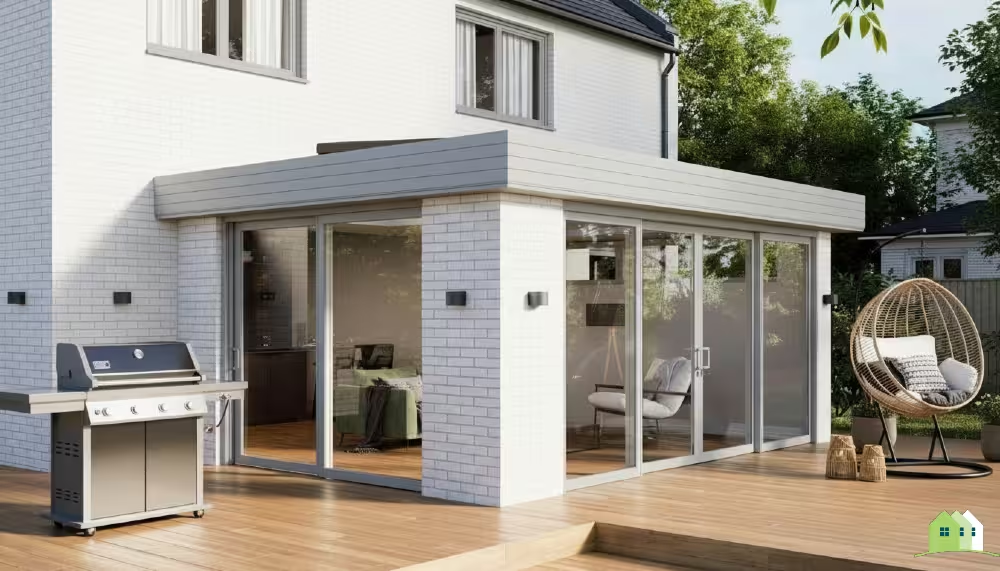
Choose from glazed, hybrid or tiled-effect roof directions based on comfort expectations, lighting preference and external design continuity.
Explore roof upgrades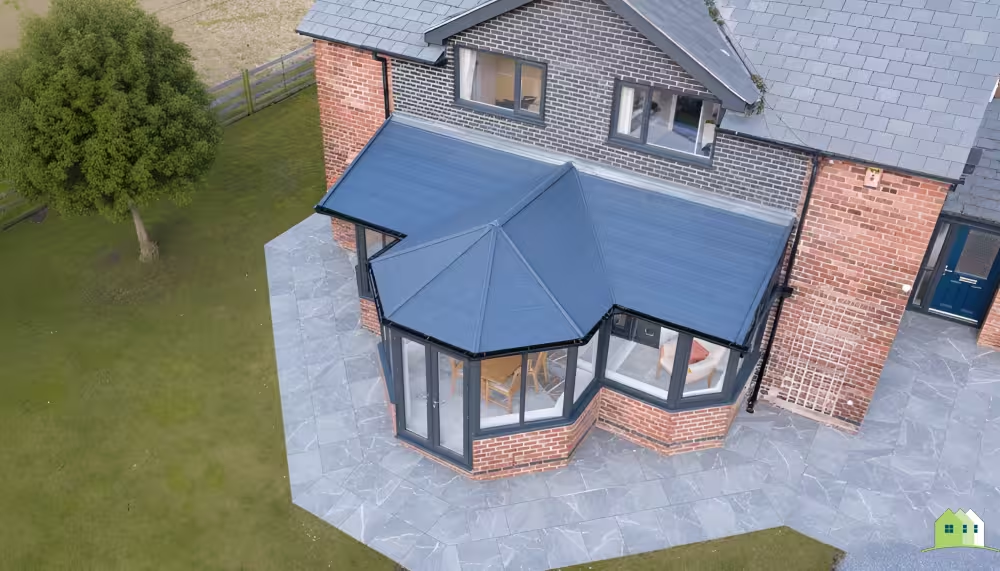
Where an existing conservatory underperforms, roof replacement pathways can improve temperature stability and make the room more usable year-round.
Compare replacement routes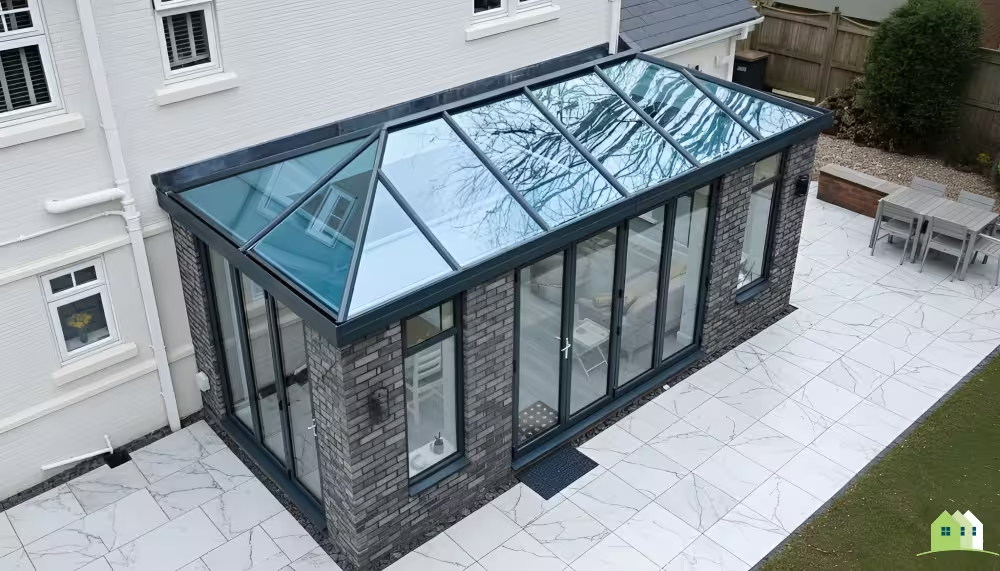
If you prefer a more extension-led look, we can scope finish and roof combinations that reduce glare while keeping good natural light levels.
View design inspirationWe scope conservatory performance around comfort and usability first, then align roof and glazing choices with planning context, orientation and budget.
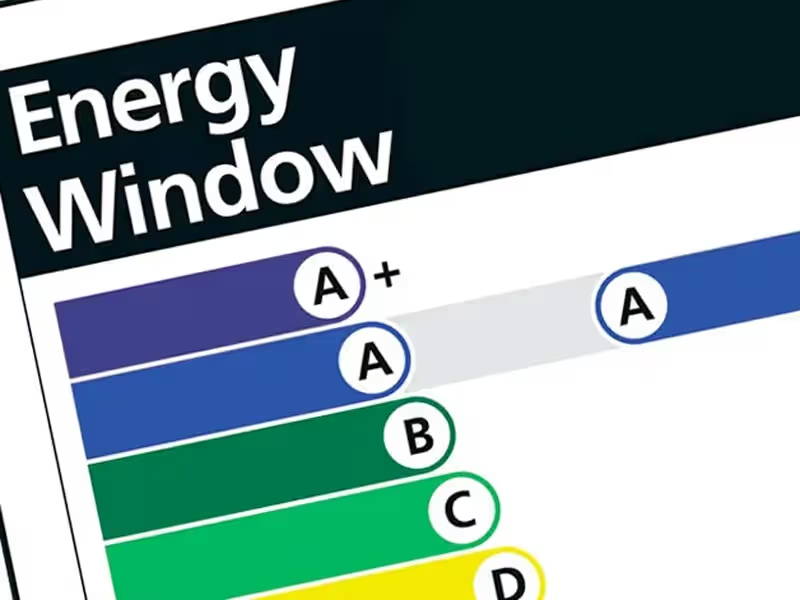
Double and triple glazing pathways can be tailored around orientation, room usage and seasonal comfort priorities, not just headline specs.
Read glazing performance advice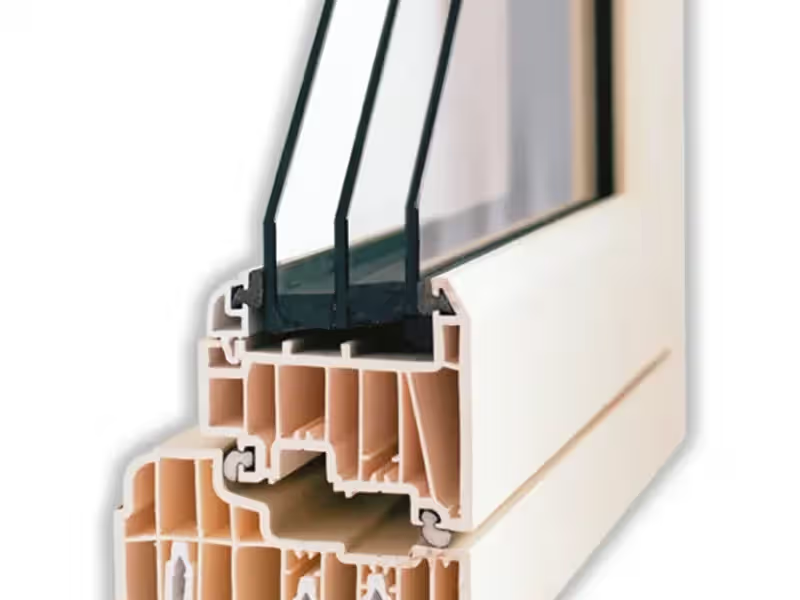
Glass build-up, spacer selection and installation quality all influence both heat retention and external noise control in day-to-day use.
Compare glazing options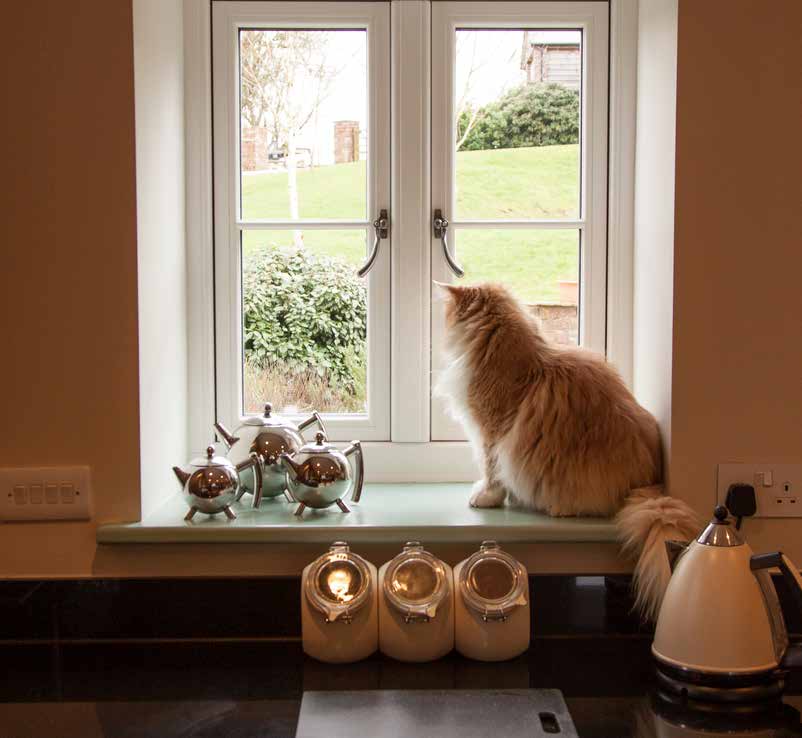
Where eaves height, boundary distances or conservation constraints apply, early planning guidance avoids costly redesign later in the project.
Check planning guidanceA staged approach keeps specification decisions clear and gives you predictable delivery from first survey through to final handover.
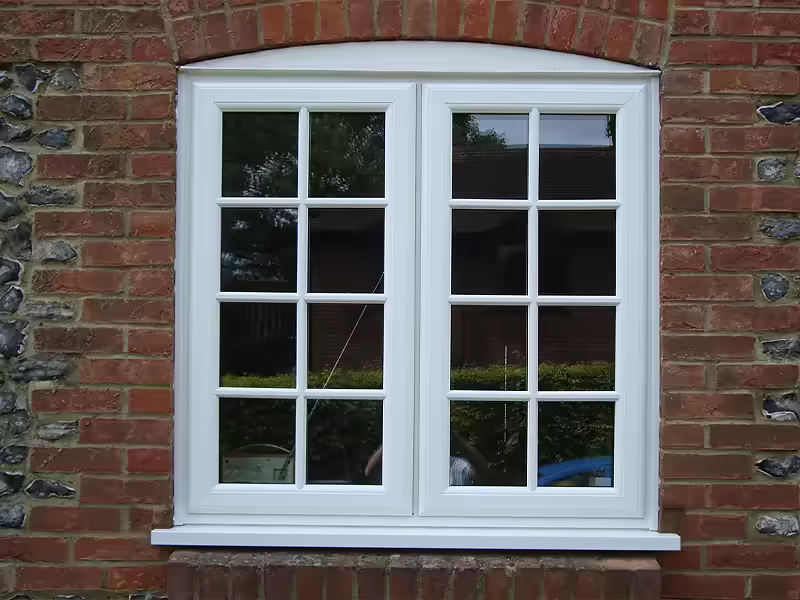
Step 1
We review your current rear elevation, discuss how you want to use the room and map practical size, access and door-opening requirements.
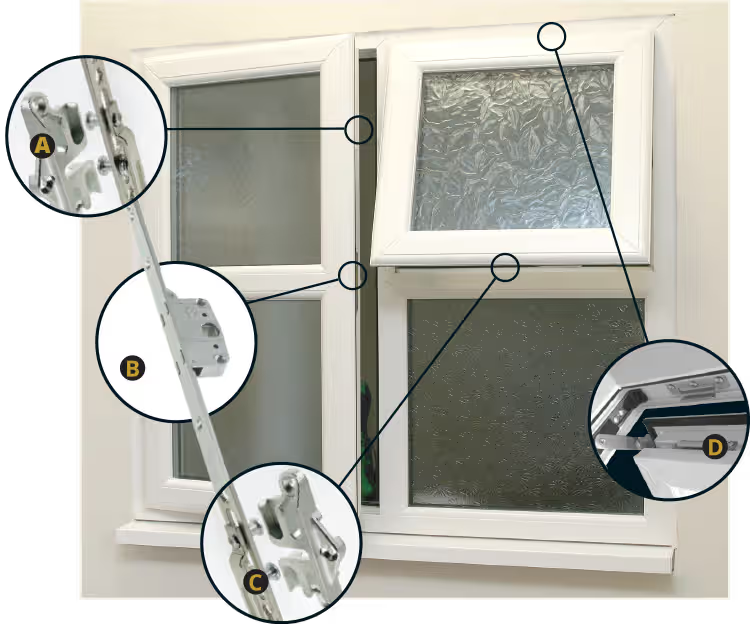
Step 2
You receive a clear quote that sets out roof path, glazing route, finish options and any planning considerations identified at survey.

Step 3
Our team coordinates installation sequencing to keep disruption down while maintaining a clean, predictable delivery path.
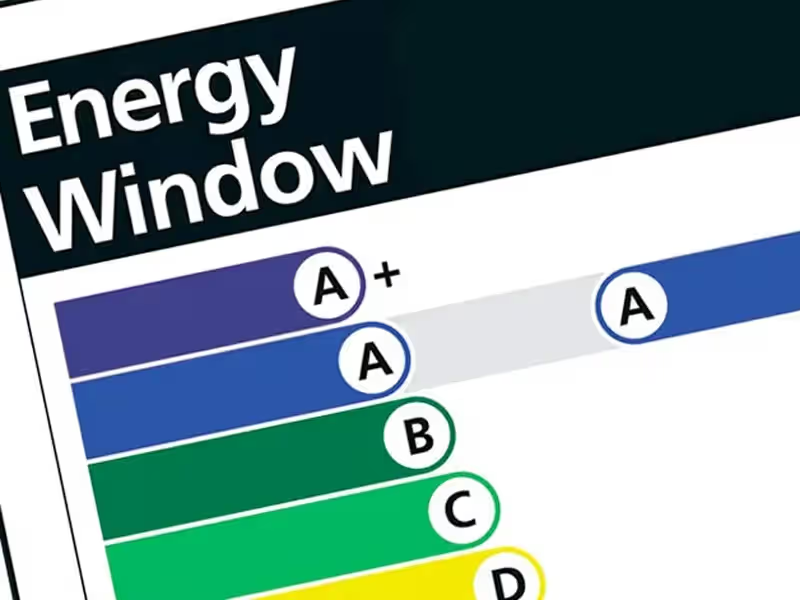
Step 4
You receive practical handover guidance, maintenance advice and your guarantee documentation once the project is signed off.
Straight answers to common questions around layout, comfort, planning and specification.
Yes. Lean-to designs are commonly used where depth, width or eaves height is limited. Their simple geometry helps make efficient use of compact rear spaces.
Yes, when the right glazing and roof specification are selected. Comfort depends on the full build-up, orientation, ventilation and installation quality.
Typical pathways include glazed roofs, hybrid styles and tiled-effect upgrades. The right option depends on your lighting preference, budget and comfort target.
Many projects can fall under permitted development, but this depends on size, boundaries, property type and location. Listed buildings and conservation areas may need consent.
Yes. Frame finishes, hardware tones and glazing details can be coordinated so the new extension links visually with existing products.
Timescales vary by specification and site conditions. After survey, you receive a staged timeline covering preparation, installation and final handover.
Next Step
Book a survey-led quote and compare roof, glazing and finish pathways with practical guidance from the Homebrite team.
Use related guidance pages to finalise your specification with confidence.
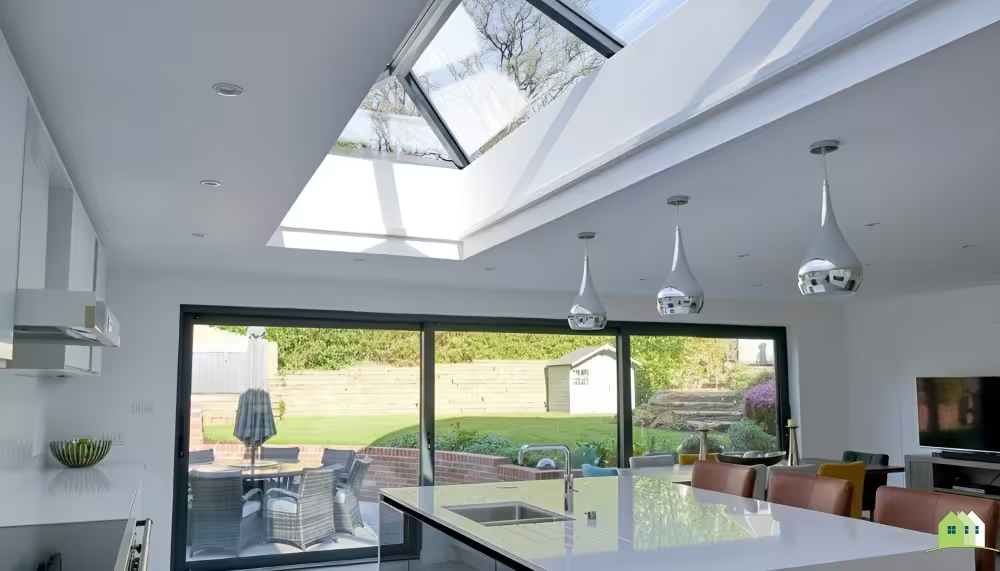
Guides
Compare shapes, glazing and roof routes before committing to final specification choices.
Budget
Understand how size, roof selection and glazing choices influence total project pricing.

Specification
Review frame, glazing and roof combinations before finalising your product pathway.
Design
See how colours, trims and hardware can connect your conservatory with the existing home.