What Makes an Orangery Different?
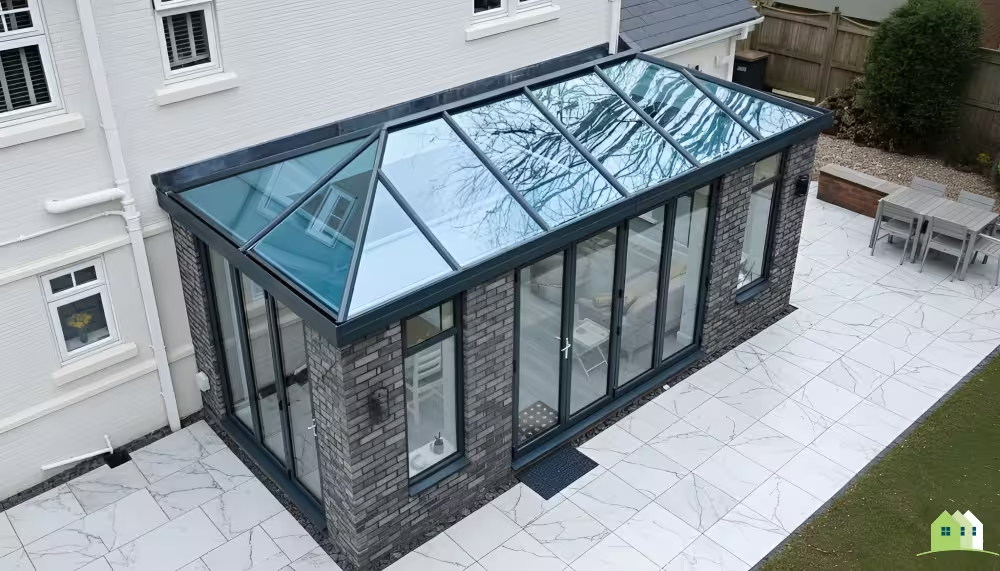
An orangery keeps the glazed character of a conservatory but introduces a more practical brickwork perimeter. This changes how the room looks, feels and performs in daily use.
Premium Orangery Design and Build in Kent
Homebrite orangeries offer a distinct route between conservatory and extension design, combining generous daylight with stronger structure, privacy and architectural integration.
Orangeries are often chosen by homeowners who want the daylight benefits of conservatory glazing with a stronger extension-style structure and more privacy.
An orangery keeps the glazed character of a conservatory but introduces a more practical brickwork perimeter. This changes how the room looks, feels and performs in daily use.
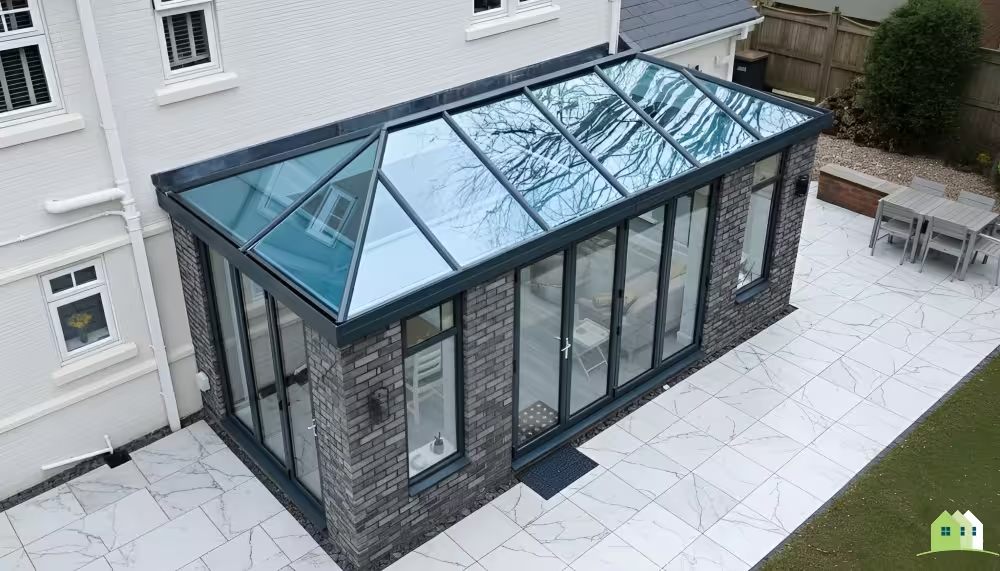
Brick pillars and a defined perimeter can improve privacy versus a fully glazed conservatory while still creating a bright room with a clear focal point at roof lantern level.
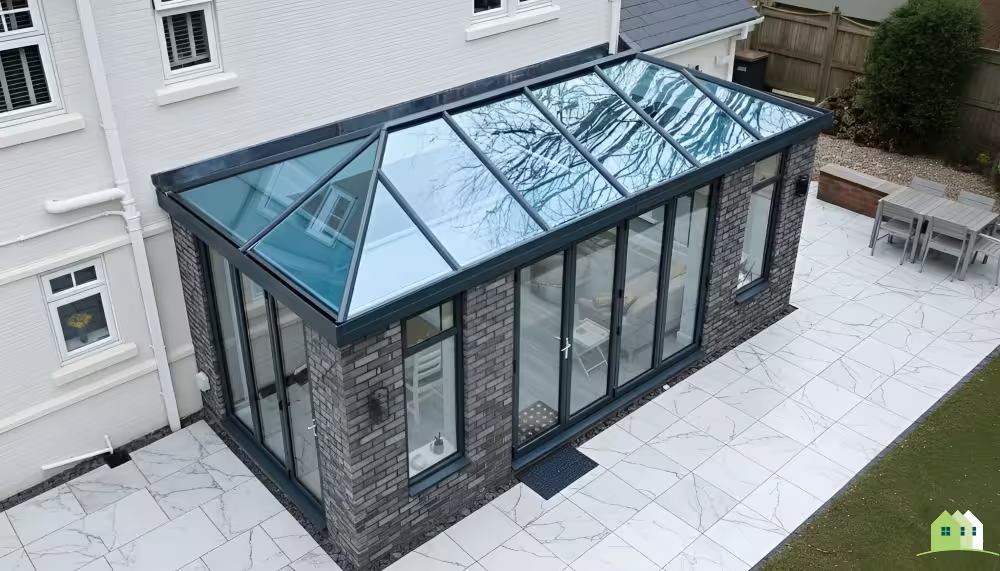
Well-designed orangeries can combine the airy feel homeowners expect from conservatories with the solidity and architectural integration of an extension.
Orangery design works best when layout, openings and finish choices are aligned with the architecture of your existing home from the first survey.
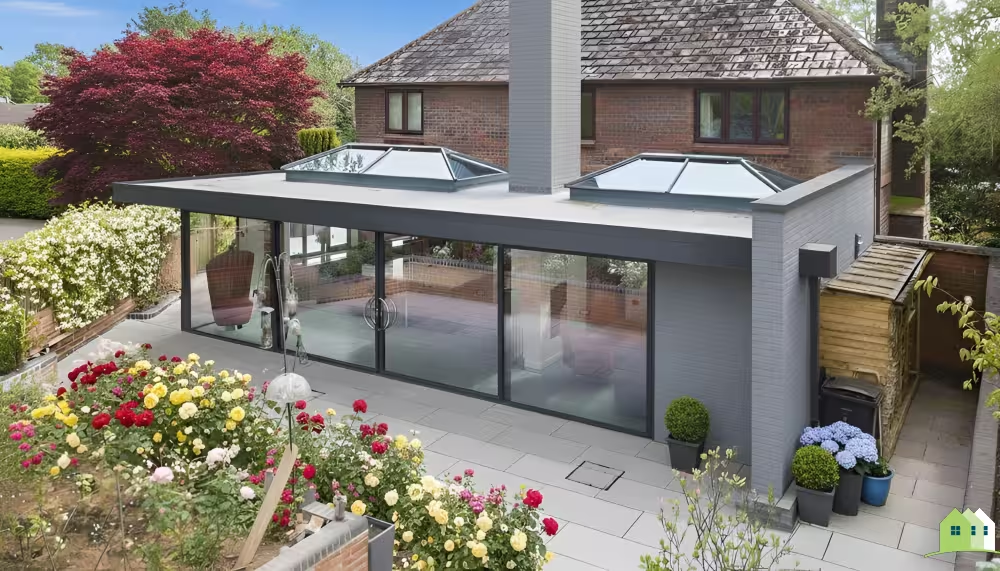
Each orangery design is measured against your existing roofline, openings and external proportions so the new room feels intentional rather than added on.
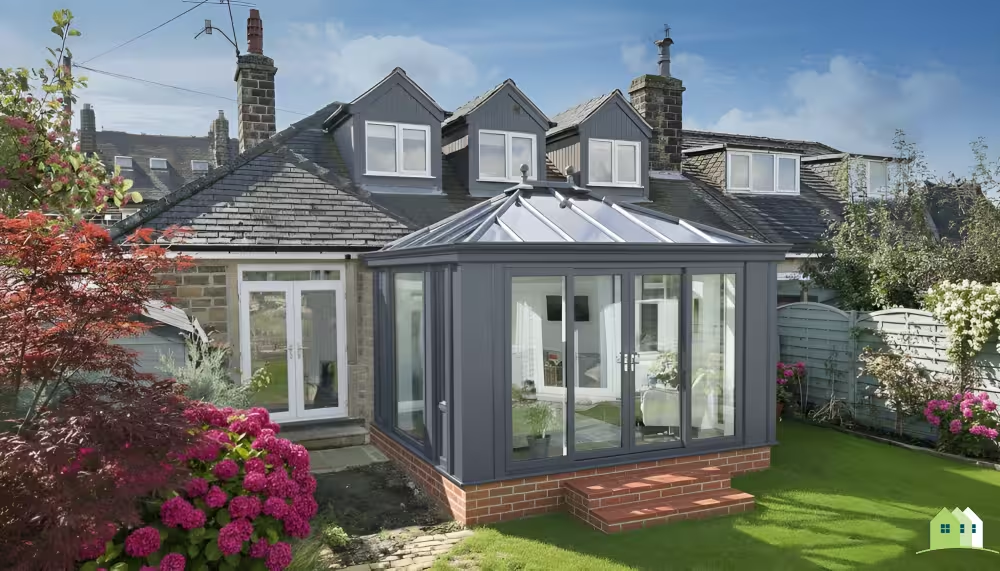
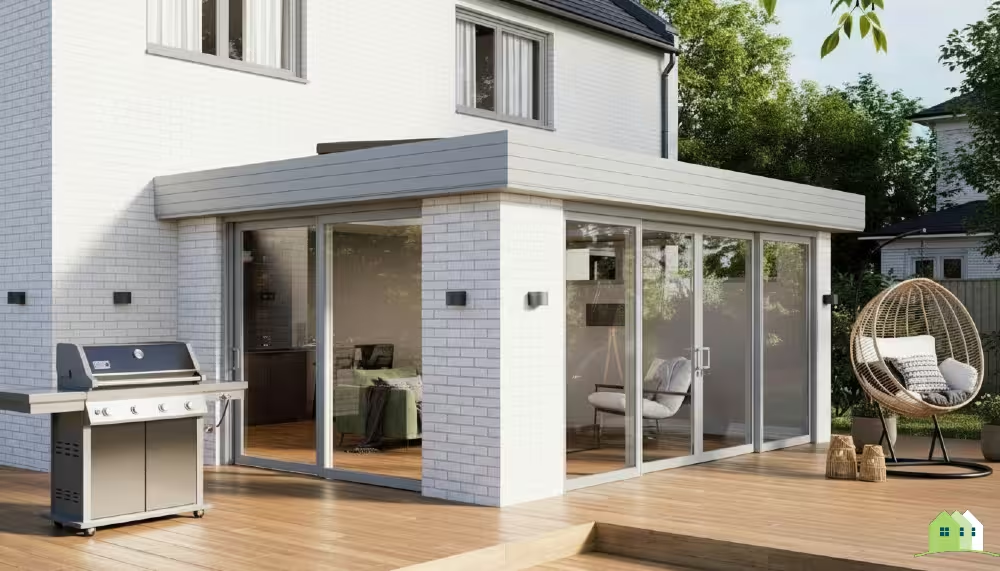
From heritage-led detailing to cleaner modern lines, an orangery can be tailored to match period homes and contemporary elevations alike.
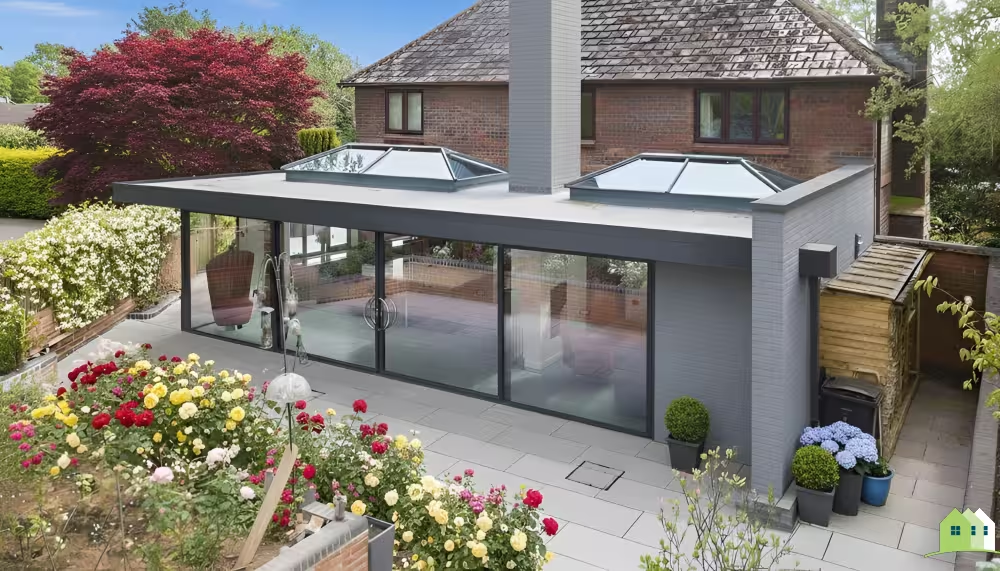
Openings and wall positions are planned around circulation, furniture zones and garden access, so layout flexibility is built into the design from the outset.
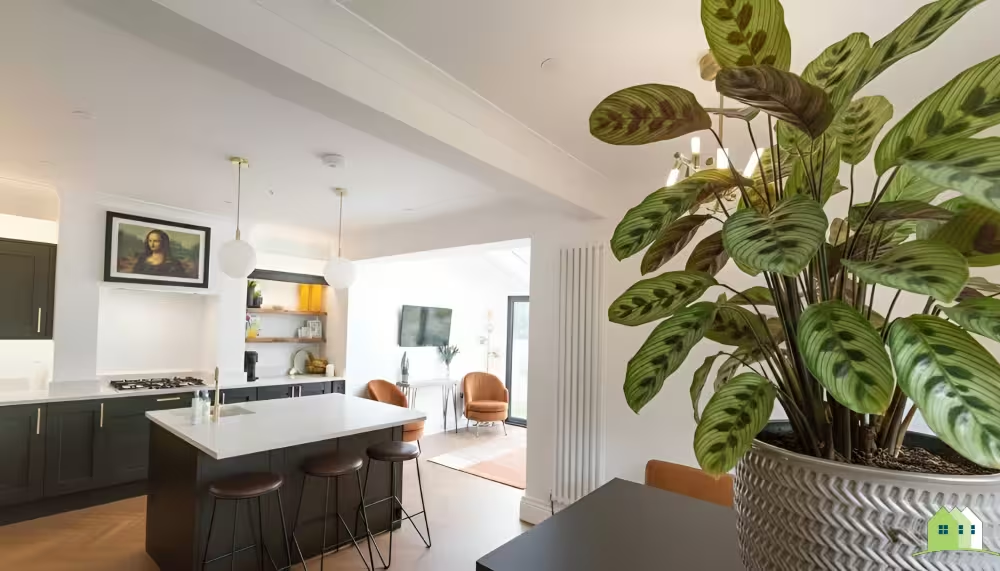
Frame colours, hardware choices and internal finish direction can be coordinated with existing or planned windows and doors for a cohesive result.
The biggest performance gains come from treating roof structure, glazing and ventilation as one design decision rather than separate upgrades.
Glazed roof lanterns, solid perimeter choices and roof proportions are selected to balance natural light with year-round comfort.
Compare roof routes
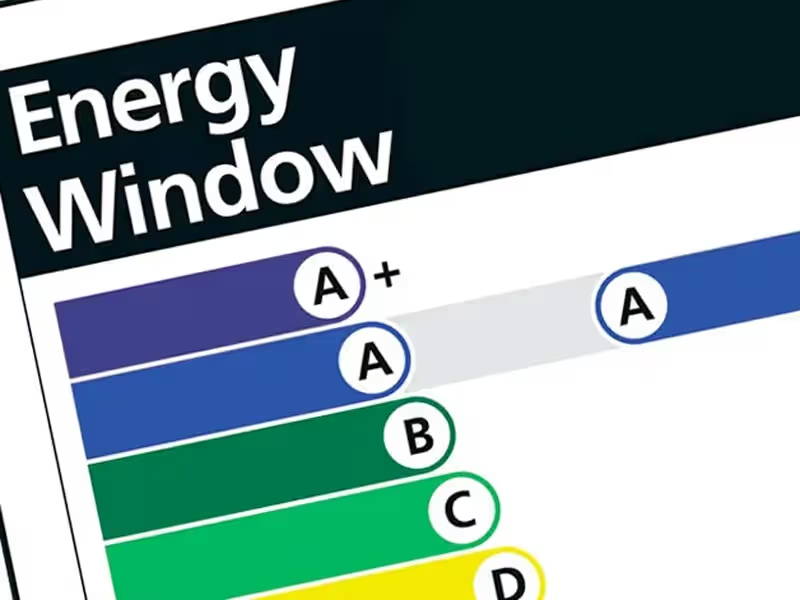
We review glazing and frame combinations early so heat retention, summer comfort and everyday running costs are considered together.
Review performance guidance

Glass specification, spacer choice and installation quality all influence acoustic comfort and solar control for heavily exposed elevations.
See glazing guidance
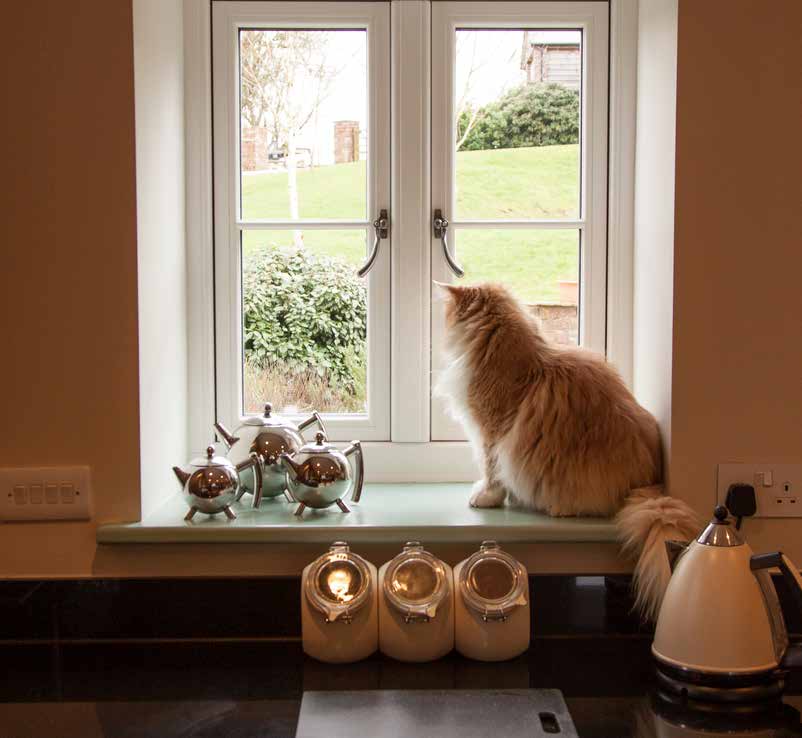
Where planning context or conservation details matter, we assess external form and boundary conditions before specification sign-off.
Check planning advice
A premium orangery is not only about style. These five value areas influence build predictability, usability and long-term ownership confidence.
Prepared components and a sequenced build approach support a more predictable on-site timeline.
Window, door and wall positions can be adapted around how your household actually uses the room.
Roof and glazing choices are planned to support better comfort and reduced wasted heat.
Measured design and controlled detailing help deliver a cleaner, extension-style finished space.
Survey, design, installation and handover are coordinated through one Homebrite project route.
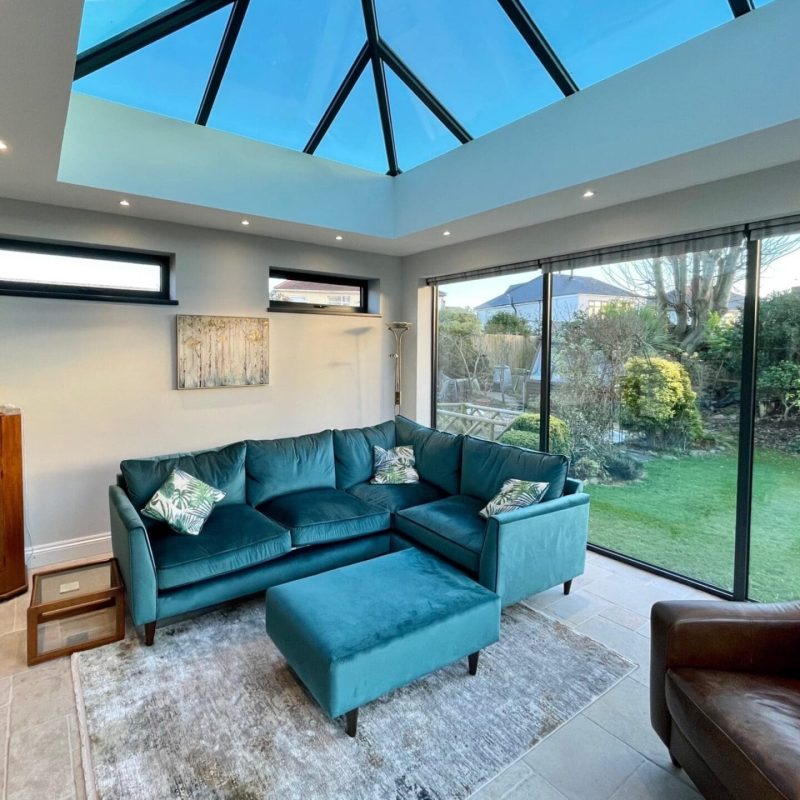
The hup! approach is built around coordinated design, prepared components and controlled installation sequencing, helping homeowners avoid the uncertainty often associated with conventional extension projects.
Use these references to shape your brief before survey, then refine roof, glazing and finish decisions against your own property.
A strong reference point for homeowners who want an orangery with clear architectural definition and a modern internal finish.
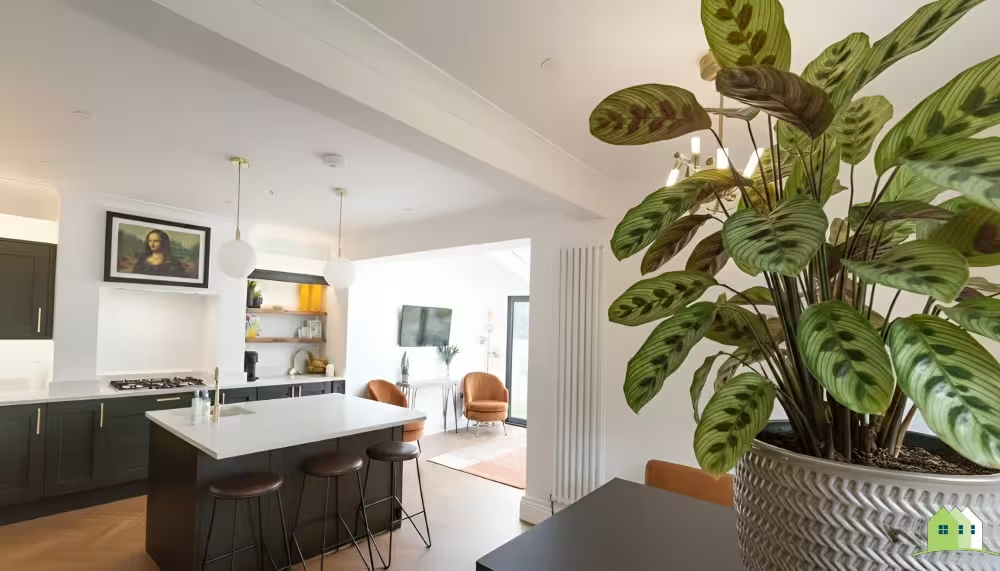
Use this style for projects where natural light and open-plan family living are both key priorities from day one.
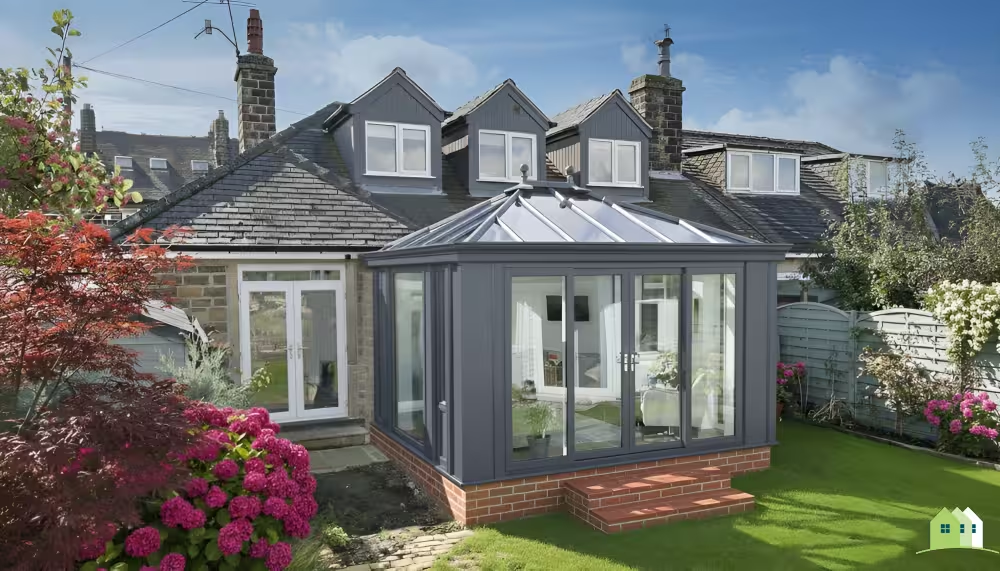
A useful reference for balancing glazing, roof shape and external materials so the orangery integrates with the original house.
A clearer project structure makes budgeting and decision-making easier. These are the core stages we follow before, during and after installation.
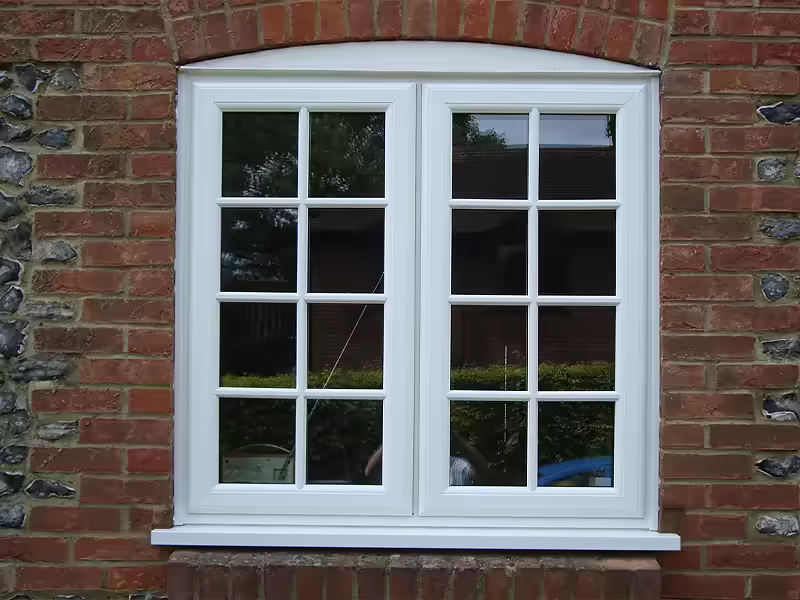
Step 1
We measure your property, discuss room function and define whether an orangery route is better suited than a standard conservatory style.
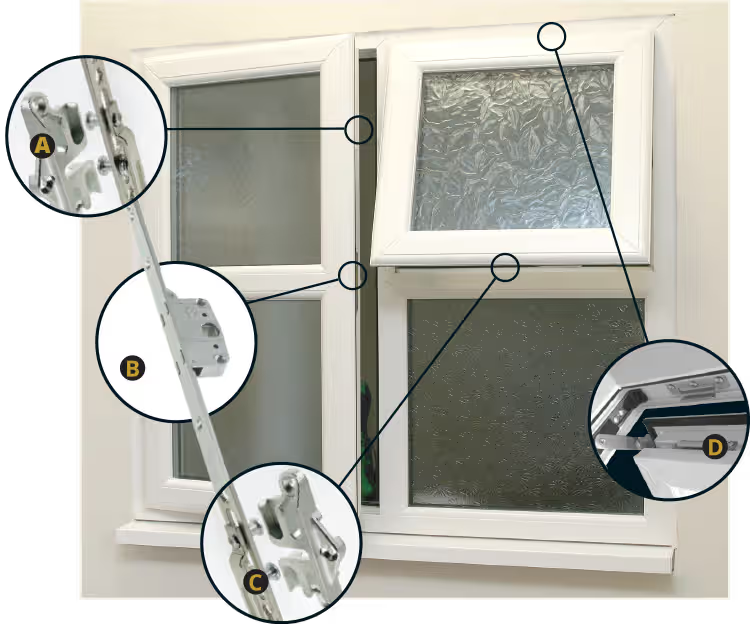
Step 2
You receive a clear quote covering roof pathway, glazing level, opening layout, finishes and any planning considerations identified.

Step 3
The installation team follows an agreed build sequence so structure, roof and finishing stages remain coordinated and predictable.
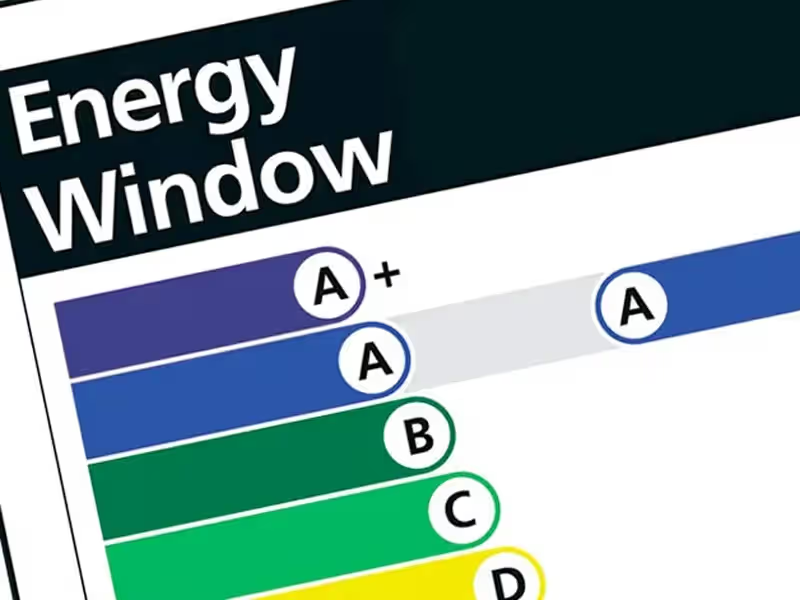
Step 4
We complete completion checks, hand over care guidance and provide guarantee paperwork for long-term confidence.
An orangery typically combines glazing with a stronger brickwork or solid perimeter structure, giving a more extension-like appearance while still bringing in substantial natural light.
Yes. Orangery design can be tailored through roof form, glazing layout, hardware and finish choices so it integrates with period elevations and contemporary properties.
Daylight and comfort are balanced by planning lantern proportions, glazing specification, ventilation and roof strategy together rather than choosing each element in isolation.
Yes. Roof route, glazing build-up and key performance targets are defined during specification to avoid costly redesign once manufacturing and installation begin.
Some projects are covered by permitted development while others require formal permission. This is reviewed against your property and proposal before final sign-off.
Start with an Instant Quote, then progress to a measured survey. Final pricing reflects confirmed dimensions, specification choices and any planning or technical requirements.
Start with a fast quote and then refine your final specification through a measured design survey.