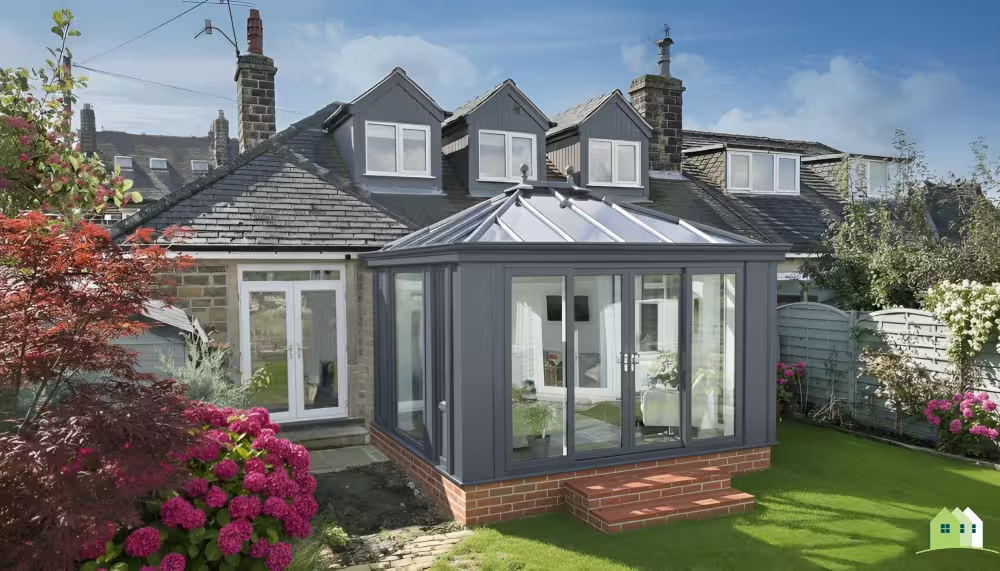
A Dramatic Roofline That Opens Up the Room
The upright gable front creates extra perceived height at the main elevation, giving the room a lighter, more open feel from the moment you step in.
Conservatory Specialists in Kent
Get the visual impact of a full-height glazed frontage with practical layout planning for year-round comfort, flexible daily use and cleaner quote decisions.
Gable designs are popular when homeowners want stronger vertical presence and a layout that still works for everyday life. The shape looks grand, but the planning decisions are practical.
The upright gable front creates extra perceived height at the main elevation, giving the room a lighter, more open feel from the moment you step in.
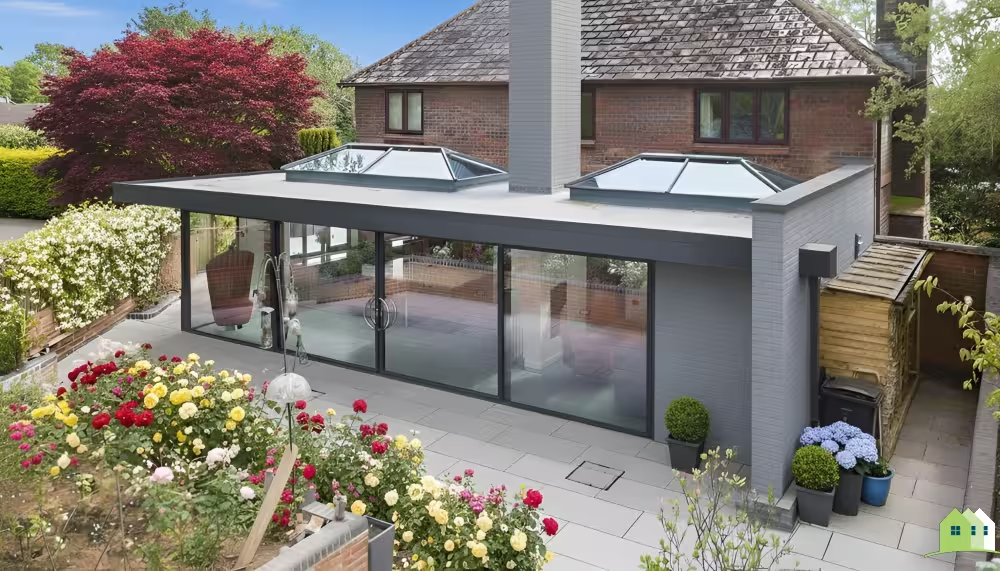
Because the footprint is typically square or rectangular, gable designs make it easier to place dining tables, corner sofas, media walls or work-from-home setups.
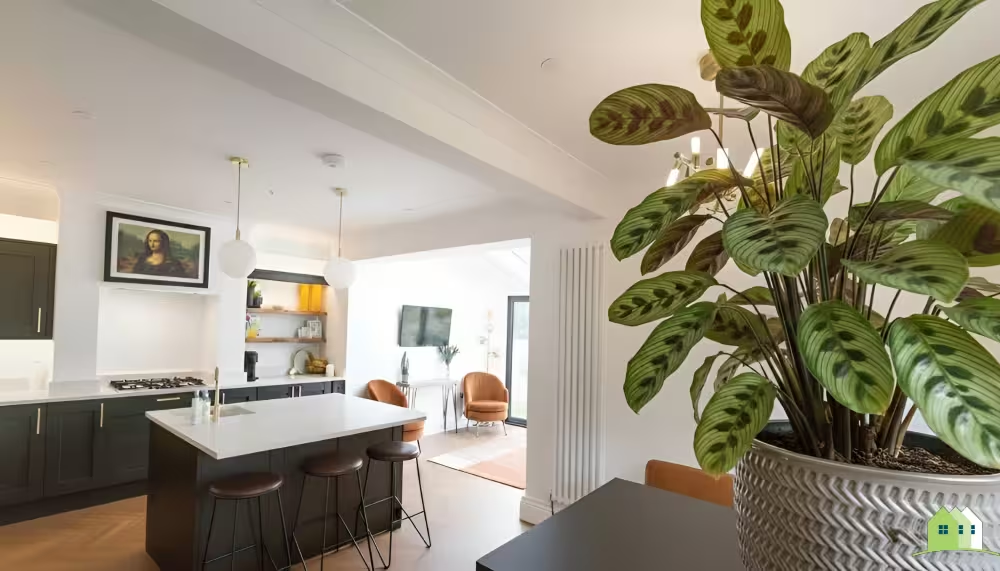
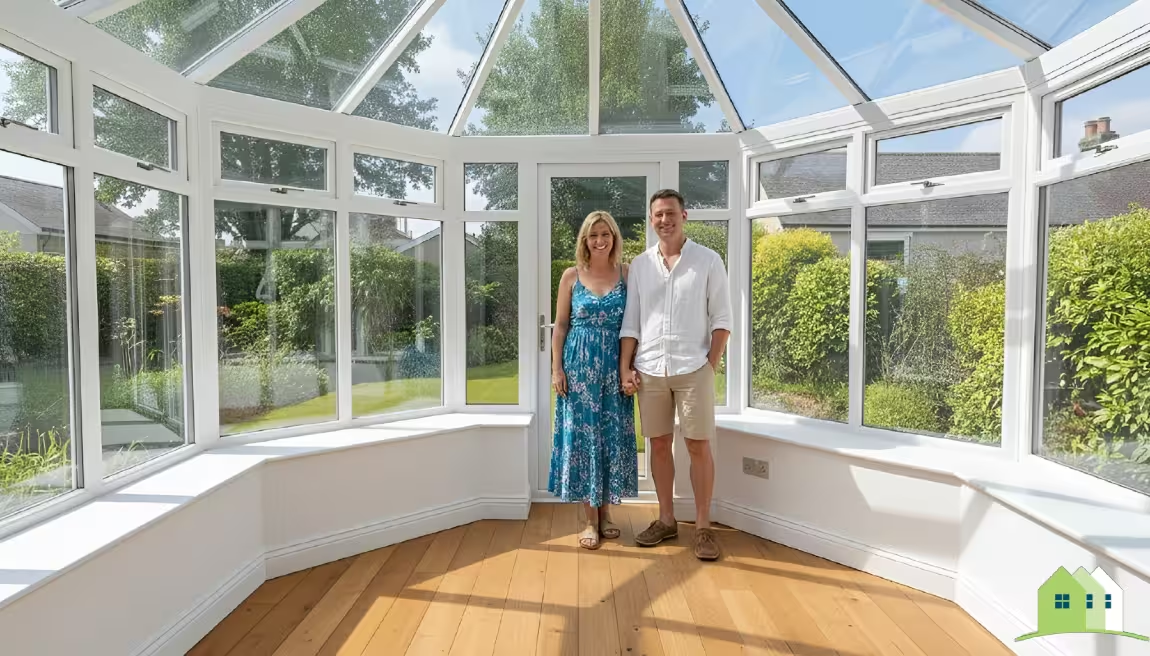
The tall front glazing and pitched roof profile can help pull daylight deeper into the space, making the room feel brighter in everyday use.
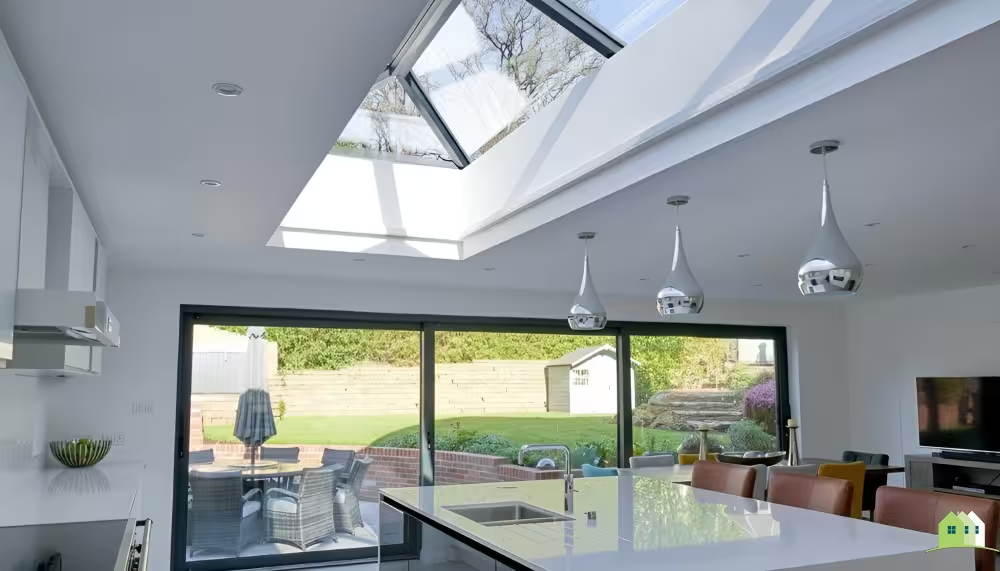
Frame finish, bar pattern, hardware and connecting door sets are specified together so the extension feels integrated with the rest of your home.
The biggest gains come from front-loading decisions on roof style, materials and finishes so your quote reflects how you actually want the room to perform.
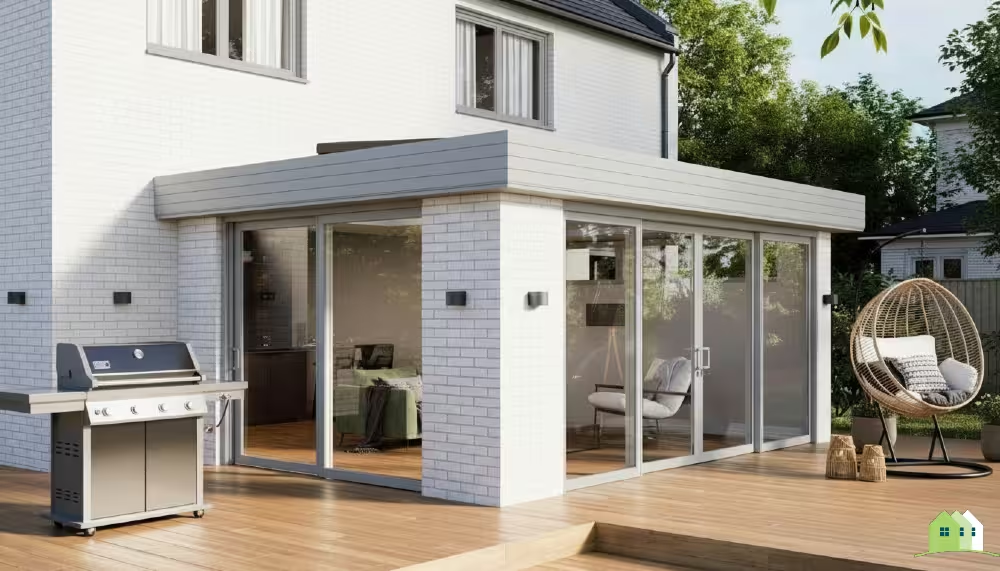
Compare roof routes around daylight levels, heat retention, glare and acoustic comfort before final pricing so expectations stay realistic.
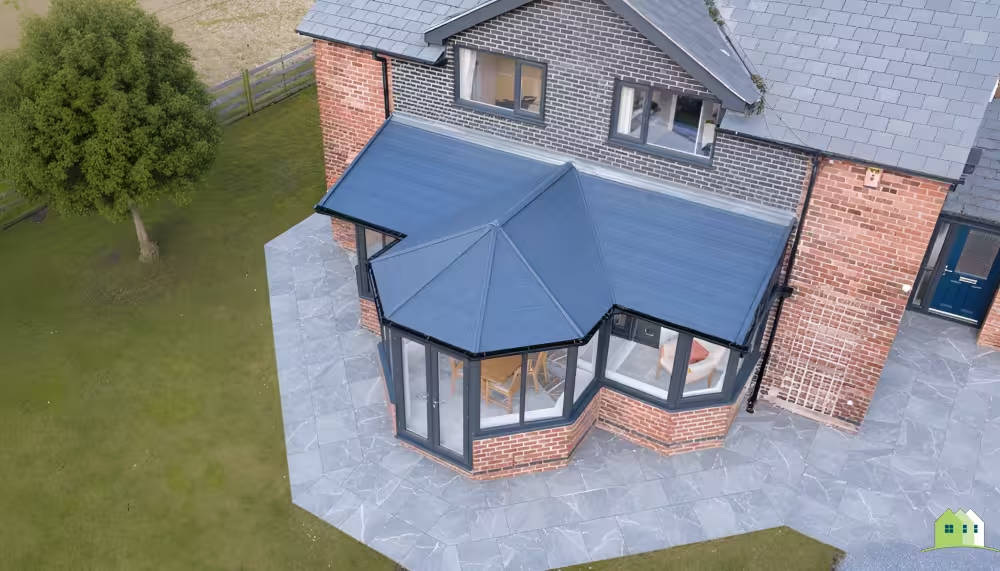
If an older conservatory already exists, replacement roof routes can improve year-round comfort and reduce temperature swings without full reconstruction.
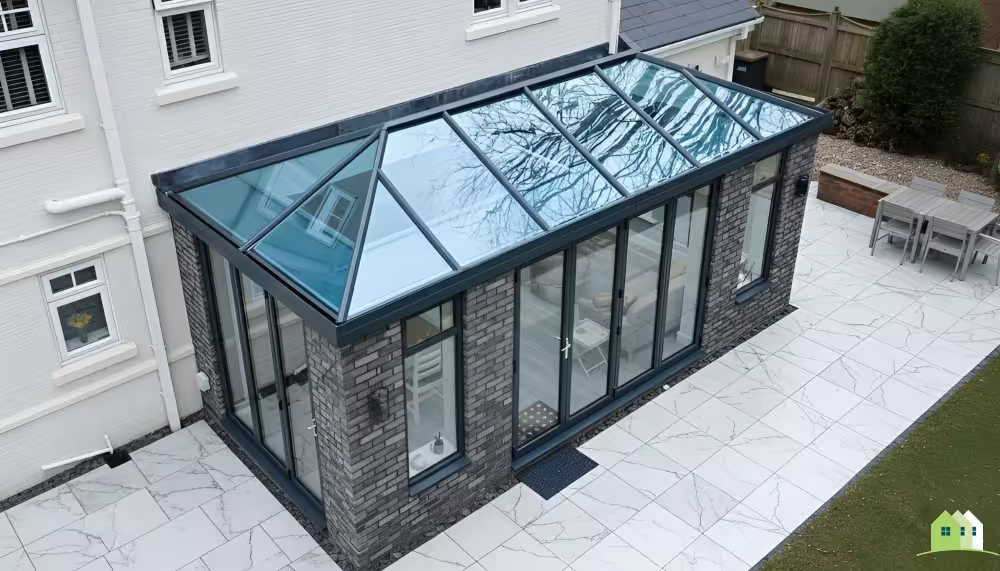
A gable conservatory can be styled for period or contemporary homes by coordinating colour, cresting detail and glazing bars at design stage.
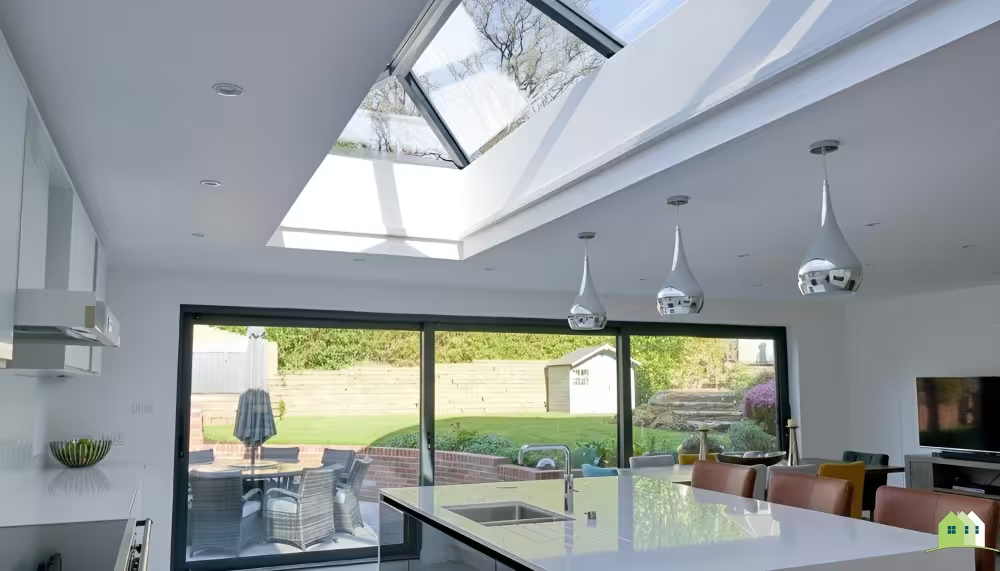
Frame and glazing choices are balanced around thermal targets, upkeep preference and the way your household will use the room day to day.
A gable conservatory should not be chosen on appearance alone. Comfort outcomes are driven by glazing, roof and lock specification working as one package.
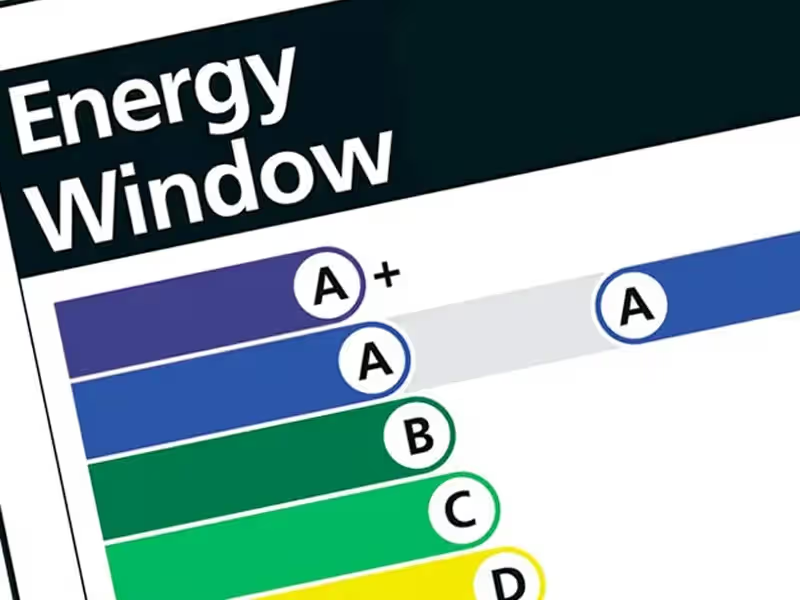
We map glazing and frame specifications to comfort goals so your gable conservatory remains practical beyond peak summer months.
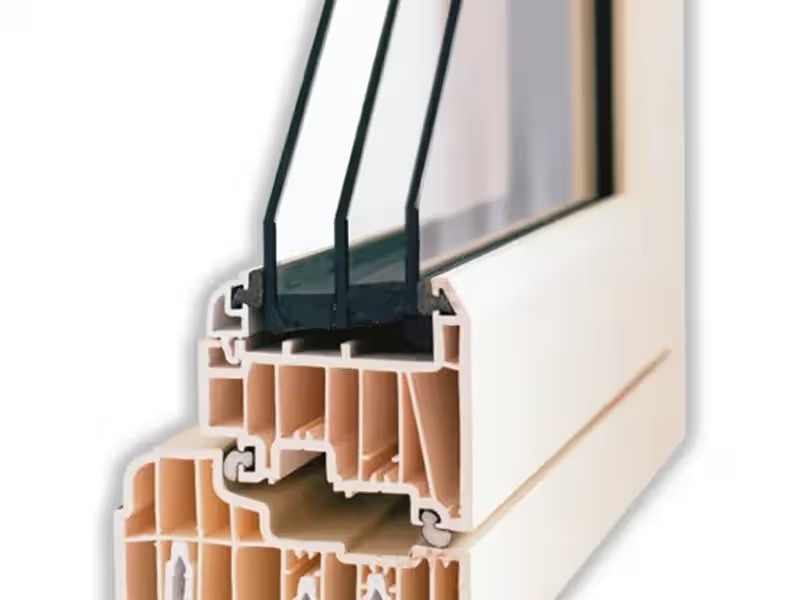
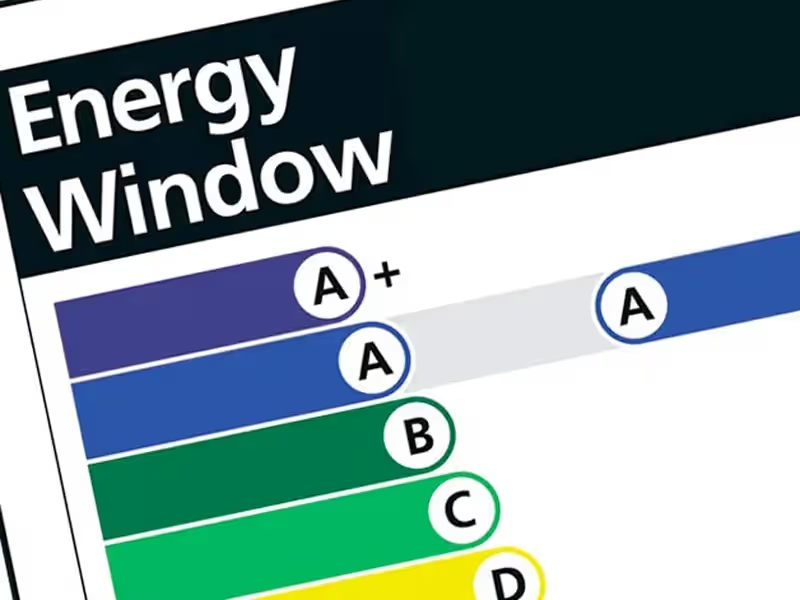
Orientation, room usage and budget all influence the right glazing build-up, including options that support stronger thermal and acoustic control.

Where traffic exposure or summer gain is a concern, specialist glass routes can be discussed early to reduce compromises after installation.
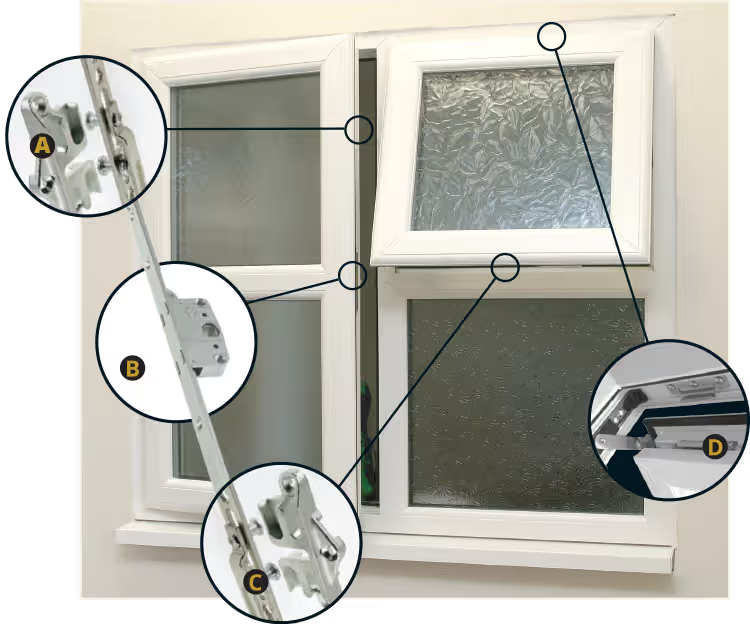
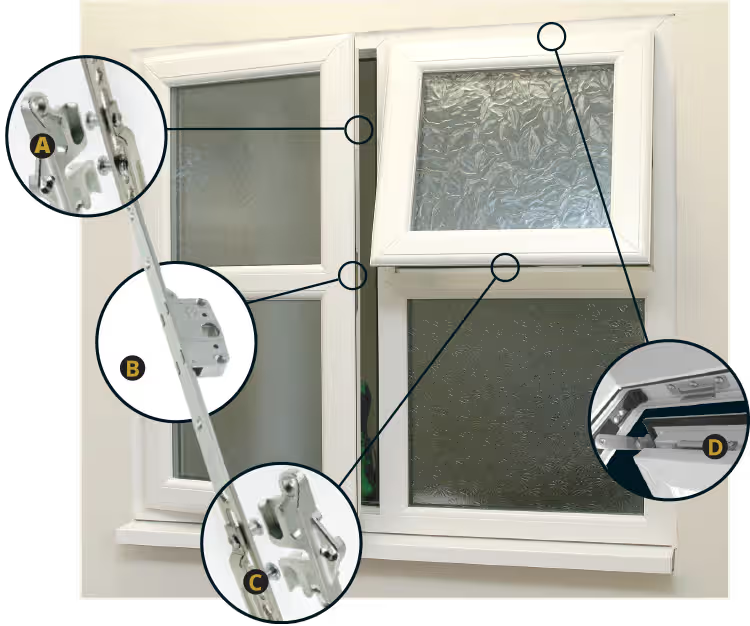
Locking strategy, access details and planning context are reviewed before manufacture so the final specification aligns with practical and regulatory needs.
Use this checklist to keep your project focused on liveability, not just headline style.
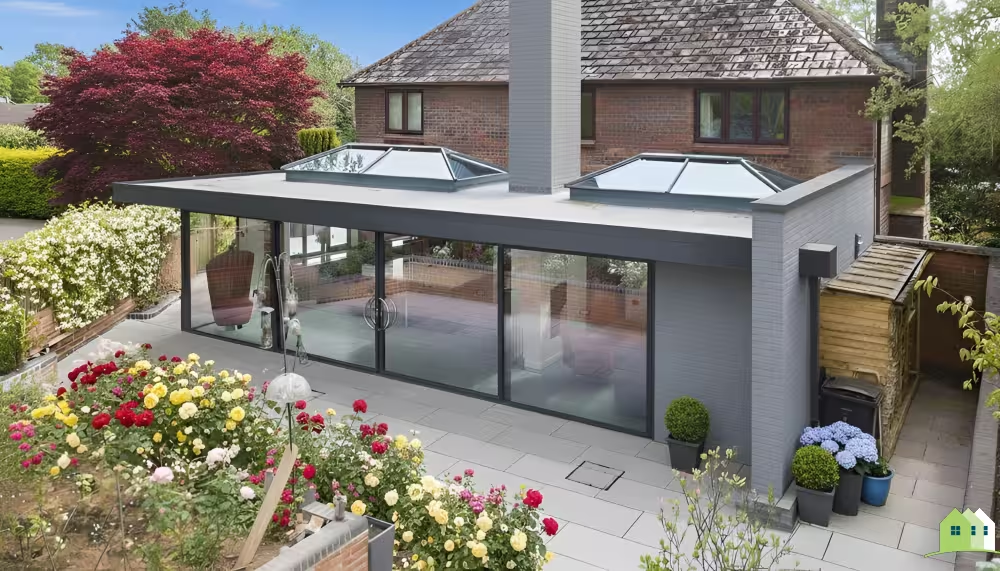
A staged delivery process gives you clearer decisions at each milestone and better control over cost and specification changes.
Step 1
We measure the elevation, review access and discuss layout priorities so your gable shape and opening strategy are right from the start.
Step 2
Your quote separates key cost drivers such as roof type, glazing package, finish route and opening configuration for clearer decisions.

Step 3
Installation is sequenced to manage disruption while maintaining build quality, weatherproof detailing and clean finishing standards.
Step 4
After sign-off, you receive care guidance and guarantee documentation so your new room stays reliable in long-term daily use.
Straight answers on layout, comfort, specification and planning.
A gable end conservatory has a front elevation that rises vertically to the roof apex, rather than sloping back at the front. This creates a more dramatic glazed frontage and a stronger sense of internal height.
They are often chosen for larger rear elevations, but suitability depends on footprint, access and proportions. A survey confirms whether a gable form will look and function correctly on your property.
Yes. Gable projects can follow glazed, hybrid or tiled routes depending on how you want to balance daylight, thermal comfort and external appearance.
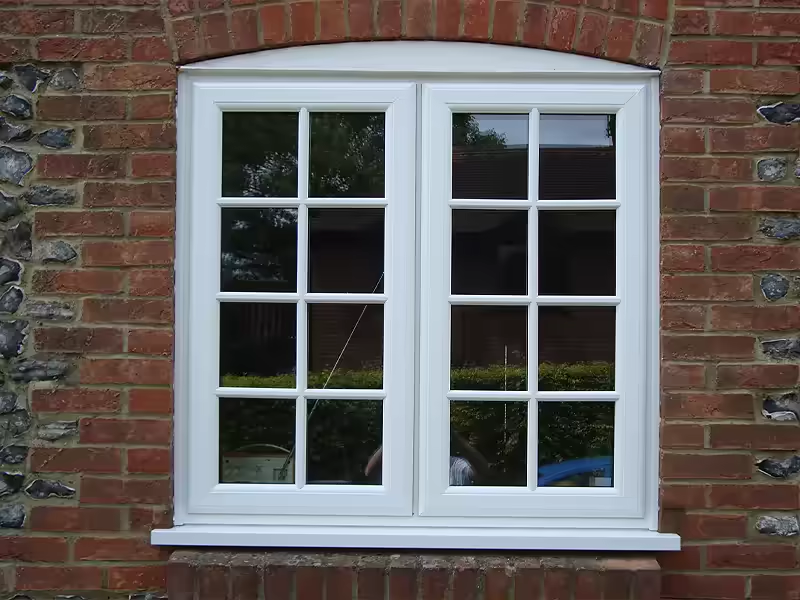
Yes. Frame finish, bars, hardware and connecting door styles can be specified to coordinate with existing or planned windows and doors.
Many projects can be delivered under permitted development, but this depends on footprint, height, boundary position and property status. Planning guidance is reviewed during survey.
Start with an Instant Quote, then move to a measured survey. Final pricing is based on real dimensions, roof choice, glazing route and finish details rather than generic assumptions.
Next Step
Start with an Instant Quote, then refine the layout and specification with survey-led recommendations from the Homebrite team.
Use these pages to compare layout, performance and budget decisions before final sign-off.